UN vote condemning US embargo on Cuba wins reduced majority
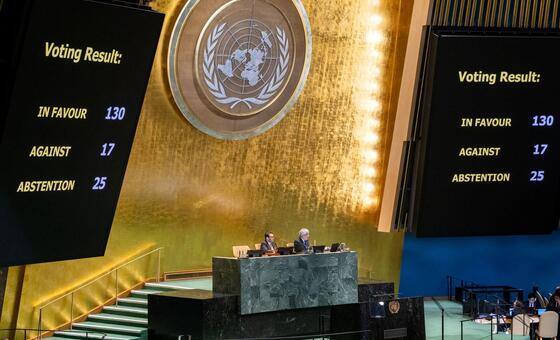
The UN General Assembly again called for an end to the US economic, commercial and financial embargo on Cuba, but backing fell to 130 votes in favour, 17 against and 25 abstentions. UN News described the result as the resolution’s weakest support in two decades; Euronews said it was the lowest since 1995.
The UN General Assembly has voted for the 34th time to end the United States’ economic, commercial and financial embargo on Cuba, but the resolution received substantially less support than in previous years. The measure passed with 130 votes in favour, 17 against and 25 abstentions. UN News described the result as the weakest backing in two decades.
Euronews reported that support had fallen to its lowest level since 1995. The accounts differ in their description of the historical low, but agree that the margin was sharply reduced from last year. The previous vote passed with 165 countries in favour, seven opposed and 12 abstaining, according to UN News.
Support for the resolution peaked at 191 votes in 2015 and 2017, during and after the improvement in relations between Washington and Havana under President Barack Obama. Germany, Italy and Latvia abstained for the first time in 34 years, Euronews reported. Colombia, Costa Rica, Ecuador, Morocco, Slovenia and Bosnia were among the countries voting against the resolution, with several doing so for the first time.
The resolution is not legally binding. It calls for the lifting of the US embargo and cites principles including sovereign equality, non-interference in internal affairs and freedom of trade and navigation. It also criticises the 1996 Helms-Burton Act and urges countries with similar measures to repeal them.
The vote took place as Cuba faces severe economic and energy problems. The reports describe shortages of fuel and essentials, frequent power cuts and disruption to water, internet and telephone services. UN News said a US fuel embargo had worsened the energy crisis, while Euronews linked the pressure campaign to restrictions on oil supplies and wider sanctions.
US Ambassador Mike Waltz rejected the resolution’s premise. He said there was “no blockade”, pointed to more than $876 million in US exports to Cuba during the first eight months of 2026 and argued that Cuba’s problems were caused by its government and military-run businesses. Cuban Foreign Minister Bruno Rodríguez blamed the embargo for damage to the health system and shortages of medicines.
He said the measures had delayed or cancelled surgeries and restricted access to treatments. President Miguel Díaz-Canel accused Washington of coercing countries before the vote, while Rodríguez said Cuba wanted to be left in peace.
Vertrix News compared the attributed reports listed below and wrote this independent synthesis. Claims remain attributed where independent verification was unavailable.
Sources
- Euronews
- UN News