Unarmed mental-health teams expand as alternatives to police emergency responses
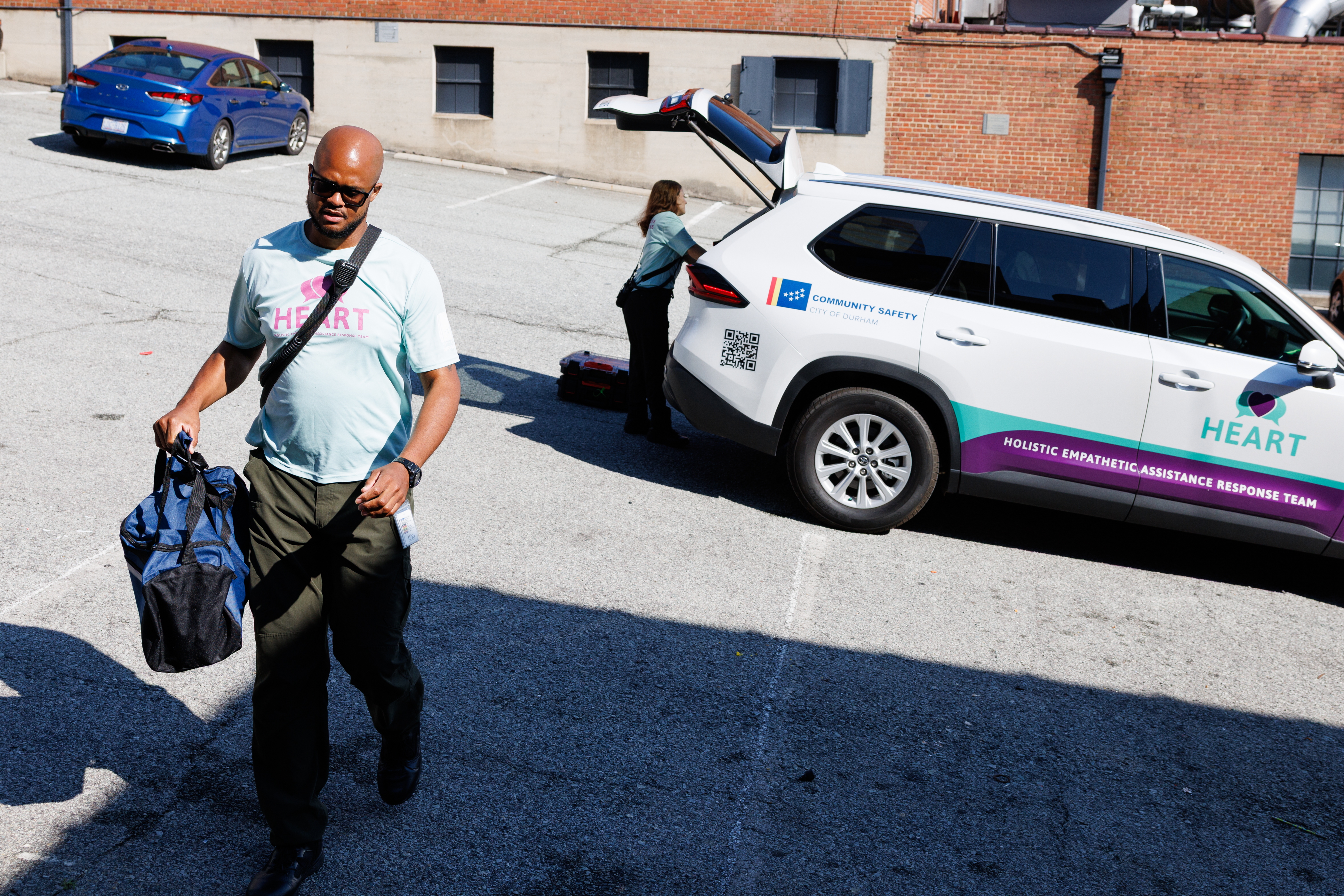
Alternative emergency-response programmes are expanding across nearly 100 US cities, sending mental-health clinicians rather than police to some 911 calls. NPR’s supplied material asks what is required to make the model work, but gives no figures on outcomes, staffing, funding or the types of calls covered.
Alternative response programmes in which mental-health clinicians answer some 911 calls instead of police have expanded across nearly 100 US cities, according to NPR. The programmes are described as a development in public safety following the murder of George Floyd. Their approach is to send unarmed teams to selected emergencies involving mental-health needs, rather than automatically deploying police officers.
The supplied material does not identify the cities operating these programmes or explain how their systems differ. It also does not state which types of 911 calls qualify for a clinician-led response, how teams are dispatched or what happens when a situation is judged unsafe. NPR frames the issue around what is needed to do this work effectively.
However, the available text provides no outcome data, including information about response times, arrests, hospitalisations, injuries or repeat calls. It also gives no details about recruitment, training, funding or coordination with police, hospitals and other services. The source does not include comments from clinicians, officers, residents or people who have used the programmes.
The account indicates that the model has become widespread in the United States, but does not establish how successful it has been. NPR is identified as the source.
This independently written report is based on information supplied by the named publisher. Vertrix News has not independently verified the source report.