US and China offer conflicting accounts of proposed military crisis pact
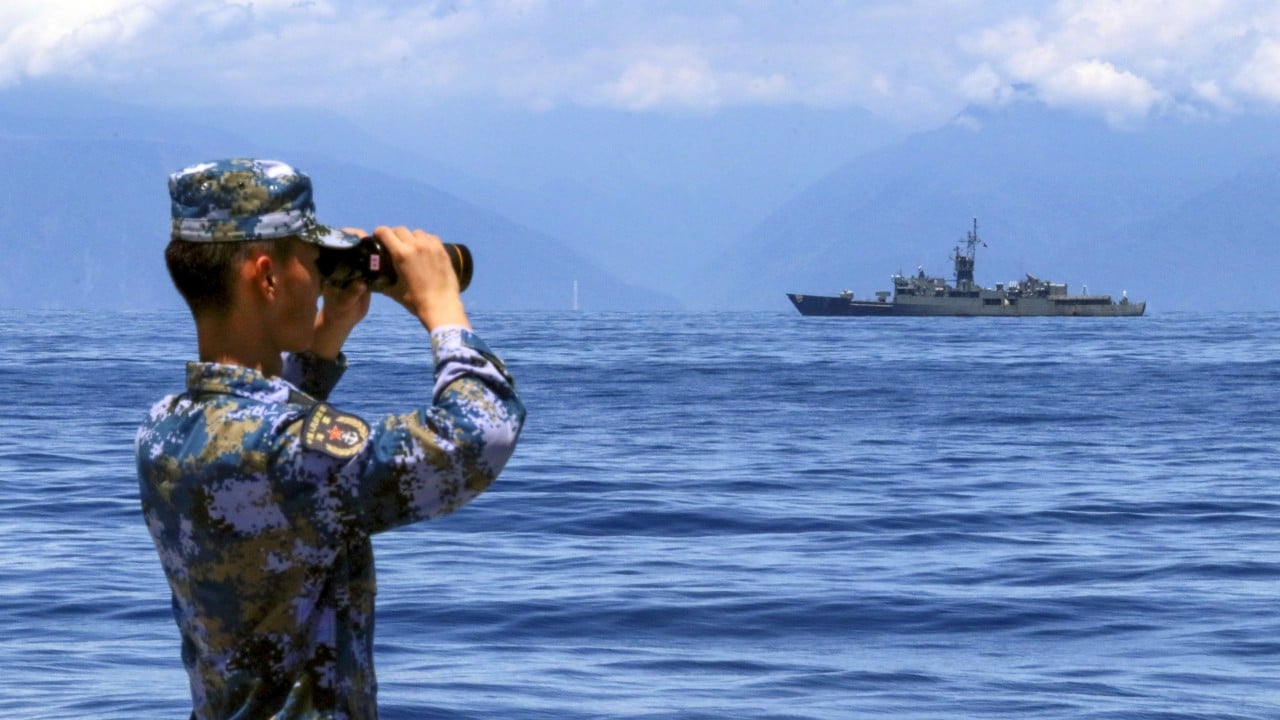
Chinese officials say Beijing and Washington agreed to conclude a memorandum on military crisis communication, but an unnamed US official told the Financial Times that the issue was not discussed. Analysts say the disagreement may reflect different views about what crisis prevention should involve.
China and the United States have offered conflicting accounts of whether their militaries agreed to negotiate a memorandum on crisis communication and prevention during last week’s summit. At a White House arrival ceremony, Chinese President Xi Jinping said the two militaries should maintain regular dialogue and improve mechanisms for crisis communication and prevention. China’s foreign ministry later said the countries had agreed to conclude a memorandum of understanding as soon as possible.
The ministry listed the proposed memorandum separately from eight other understandings reached at the summit. It did not say when or where the military agreement was made. Neither the White House nor President Donald Trump has publicly commented on the proposed mechanisms, while China’s defence ministry did not respond to a request for comment.
An unnamed US official told the Financial Times that the Chinese account was inaccurate and that the memorandum had not been discussed. The conflicting statements have prompted analysts to examine whether the two sides attach different meanings to crisis prevention. Chinese experts said Beijing’s proposal could seek to turn a broader commitment to strategic stability into concrete military procedures.
Hu Bo of the South China Sea Strategic Situation Probing Initiative said mechanisms would be necessary if the countries wanted to maintain stability when incidents occurred. The two militaries already have several communication arrangements. These include a crisis communication working group whose first meeting was held by video conference in October 2020, although no subsequent meetings have taken place, and a 2014 memorandum covering the safety of air and maritime encounters.
Other analysts said the countries disagree over whether crisis prevention should focus on rules for encounters or on reducing US military activity near China. A Beijing-based analyst said the latter was the most important measure, while Shi Yinhong of Renmin University suggested the South China Sea may have influenced the US position.
This independently written report is based on information supplied by the named publisher. Vertrix News has not independently verified the source report.