US and Chinese groups compete for rights to Kenya’s mineral-rich Mrima Hill
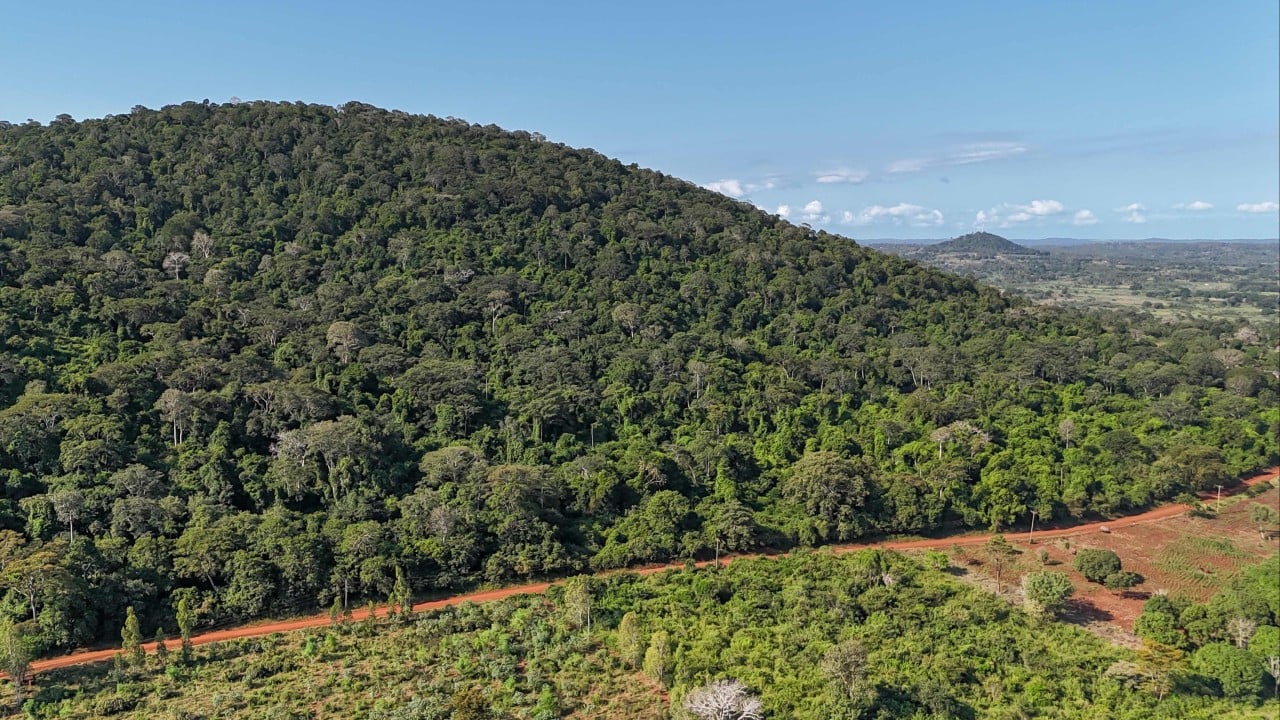
Kenya’s Mrima Hill has become a focus of US-China competition over rare earths and niobium. Washington is offering support for local processing, while residents oppose mining at the sacred Digo site. Six bidders remain in Kenya’s tender, including two Chinese groups and two US-led consortia.
Mrima Hill, a sacred forest on Kenya’s Indian Ocean coast, has emerged as a new arena in the US-China competition for critical minerals. The site, about 65km southwest of Mombasa, contains rare earths and niobium, a metal used to make steel stronger and lighter. Historical studies indicate about 105 million tonnes of mineralised ore, while the resources have been valued at US$62.4 billion.
Washington is offering to support Kenya in developing domestic mining and processing capacity as it seeks to reduce reliance on China for refined rare earths. US officials say American involvement would bring investment, workforce development and technology transfer rather than simply exporting unprocessed materials. US Secretary of State Marco Rubio discussed Kenya’s resources with President William Ruto at the United Nations General Assembly.
A senior US delegation also promoted American participation at a business summit in Nairobi. Two US-led consortia are among the bidders for development rights, according to a US official. Kenya launched an international tender in March.
Mining principal secretary Harry Kimtai said six candidates remained from an initial 13, including two Chinese bidders. He said the deal had not been finalised. Analysts said the contest was as much about refining infrastructure as access to deposits.
China accounted for about 85 per cent of global rare earth refining in 2025, according to the International Energy Agency, and reducing that dependence would take years. Local opposition remains a major issue. Mrima Hill is a Kaya, a sacred forest and ancestral site for the Digo people, and was designated a national monument in 1992.
Residents fear mining could damage shrines and wildlife habitat, cause evictions and restrict farming and access to forest resources.
This independently written report is based on information supplied by the named publisher. Vertrix News has not independently verified the source report.