Aid cuts threaten Sierra Leone’s progress in newborn care
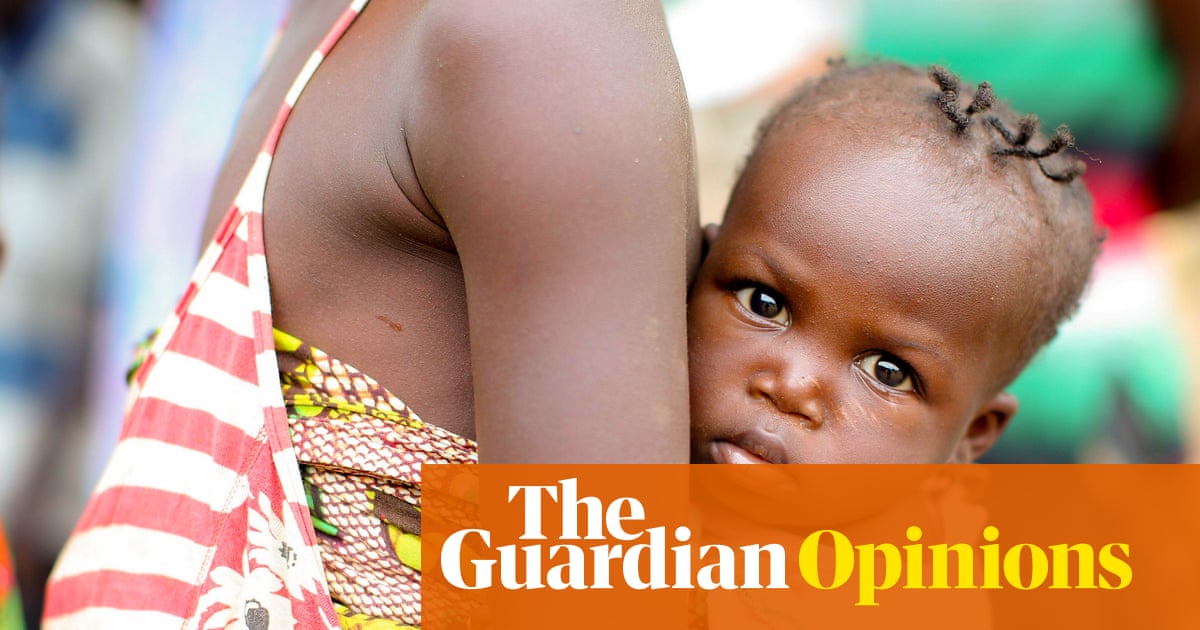
UK aid reductions are threatening a Sierra Leone programme that expanded specialist care for premature and sick newborns, according to actor and Unicef UK ambassador David Harewood. He says UK funding is expected to end in December, while the country’s services still reach only about 31% of babies needing specialised care.
Cuts to overseas aid are threatening progress in specialist newborn care in Sierra Leone, according to actor and Unicef UK ambassador David Harewood. Writing about a visit to Makeni regional hospital, Harewood recalled seeing premature babies cared for in a special-care unit supported by UK aid. He said equipment funded through that support helped vulnerable newborns during power outages.
Unicef has worked with Sierra Leone’s government since 2017 to establish special-care baby units, provide specialised treatment and train health workers. Harewood said annual admissions rose from about 1,000 to 14,000, while survival rates improved from 78% to 90% by the end of 2025. He said UK funding for Sierra Leone’s newborn-care programme was now expected to end in December, two years earlier than planned.
International paediatric support and specialist neonatal-nurse training had already ended, he wrote, while reductions affecting free healthcare programmes had harmed the availability of medicines. Harewood warned that the units depended on sustained support for oxygen, equipment maintenance, medicines, infection prevention, referrals, outreach and continuing training. Ending assistance prematurely, he said, could weaken the systems supporting the care.
The UK has reduced overseas-development spending from 0.7% of national income to 0.3%, according to the article. Harewood said about 45,000 newborns in Sierra Leone require specialised care each year, while existing services reach roughly 31%. He called for at least 25% of overseas-development spending to be reserved for programmes directly supporting children and urged the government to set out a route back to 0.7% of national income.
This independently written report is based on information supplied by the named publisher. Vertrix News has not independently verified the source report.