US-China rivalry need not lead inevitably to war, analysis says
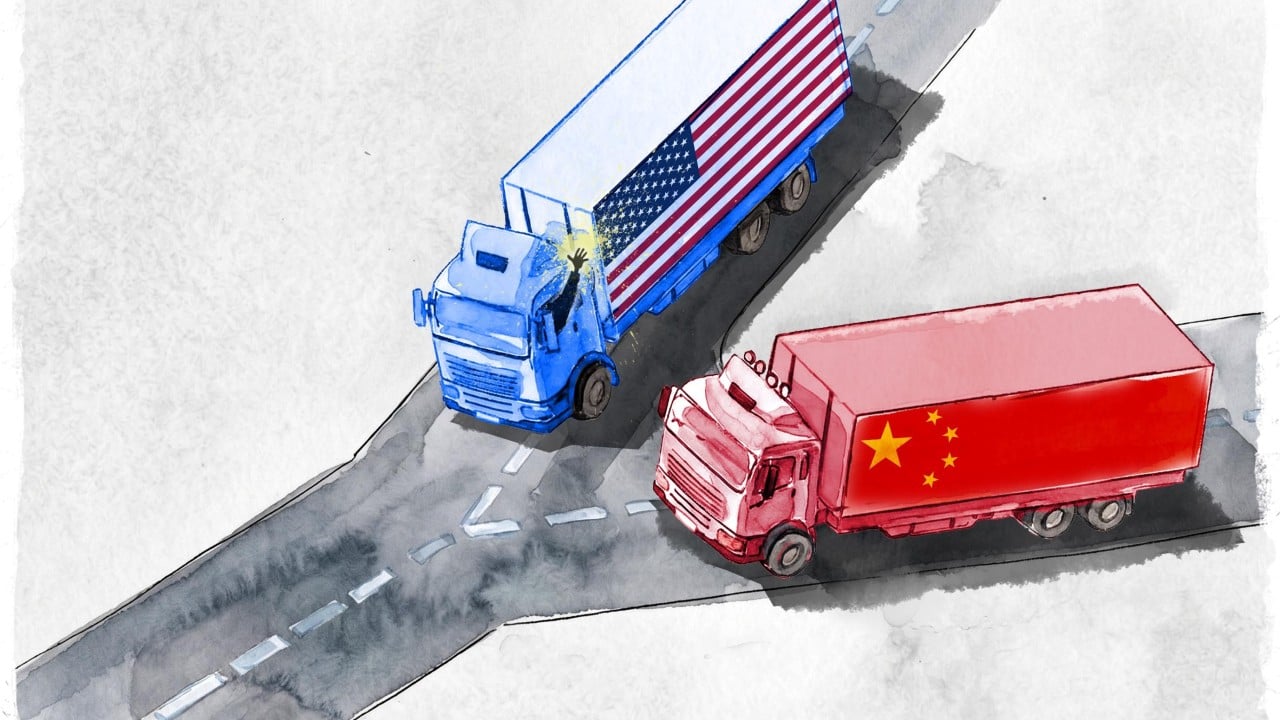
A South China Morning Post analysis argues that conflict between the United States and China is not predetermined, despite persistent strategic tensions. It points to nuclear deterrence, economic interdependence, shared global challenges, leadership dialogue and reluctance among other countries to choose sides as restraints on escalation.
Conflict between the United States and China is not inevitable, a South China Morning Post analysis argues, despite years of warnings that a rising power and an established power are destined to collide. The analysis says the two countries remain powerful in different ways. It puts the US economy at about US$30.6 trillion in 2025, compared with China’s US$19.4 trillion at market exchange rates.
China, meanwhile, is described as the world’s leading manufacturing power, with strengths in renewable energy, artificial intelligence, electric vehicles and robotics. The United States retains advantages including the dollar’s reserve-currency status, deep basic-science capabilities, a network of allies and the ability to project military power globally. The article therefore portrays the relationship as a competition between two powers, rather than a straightforward transfer of dominance.
It identifies several restraints on conflict: nuclear deterrence, tightly connected supply chains, shared concerns such as climate change and public health, and regular meetings between the countries’ leaders. These contacts, it says, can help prevent miscalculations from escalating. The analysis also argues that US policy can shift with elections because of partisan divisions, congressional gridlock and disputes between federal and state authorities.
A hard line on China may be politically useful, it says, but may not amount to a consistent long-term strategy. China’s influence is described as resting on its industrial base, more than US$600 billion in annual bilateral goods trade, and a policy combining firm positions on sovereignty with competition in technology and practical cooperation on shared problems. The expansion of Brics and the Shanghai Cooperation Organisation is presented as another restraint, because many countries do not want to choose between Washington and Beijing.
The article says risks remain, particularly if an incident occurs in the Taiwan Strait or South China Sea. It concludes that peaceful coexistence would require rules capable of containing competition.
This independently written report is based on information supplied by the named publisher. Vertrix News has not independently verified the source report.