US-China summit produced progress and unresolved tensions, reports say
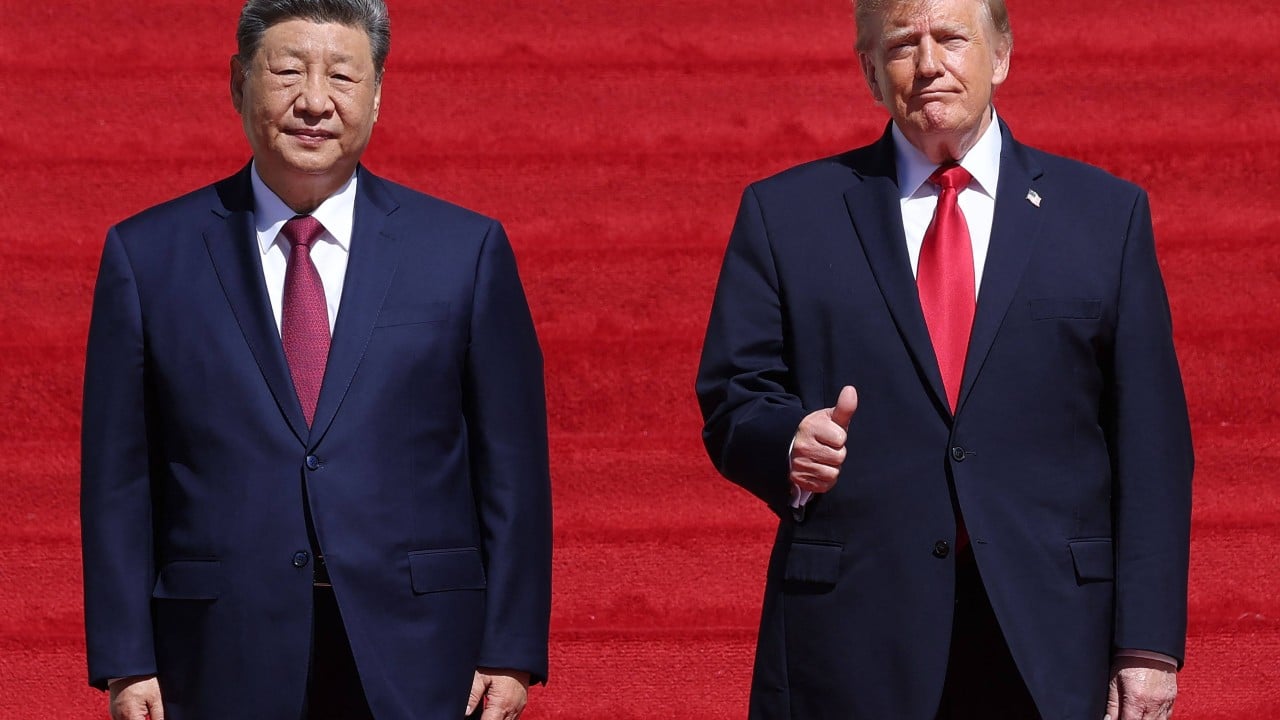
A review of recent US-China coverage highlights discussions on trade, Taiwan and strategic stability during Chinese President Xi Jinping’s visit to the United States. It also points to unresolved differences over artificial intelligence, semiconductor controls and agricultural trade, alongside a reported plan to pursue a military crisis-communication pact.
Recent reporting on Chinese President Xi Jinping’s visit to the United States has focused on both areas of engagement and continuing disputes in the relationship between Washington and Beijing. The visit was described as Mr. Xi’s first state visit to the United States in more than a decade.
The reported discussions covered trade, Taiwan and strategic stability, with US President Donald Trump hosting the Chinese leader in Washington. One reported outcome was an agreement, according to Beijing, to pursue a new military crisis-communication pact. Such an arrangement could provide another channel for commanders to manage dangerous encounters across the Indo-Pacific, although the material does not give details of its terms or implementation timetable.
The summit also brought attention to the role of technology companies. The heads of Nvidia and Advanced Micro Devices attended a White House state dinner, amid questions about whether access to the Chinese market was discussed or restored. The source material says US semiconductor controls did not dominate the summit and that the outcome for the companies remained unclear.
It does not identify any specific agreement on chip exports. Artificial intelligence was another point of disagreement. Mr.
Trump said he did not want to work with China on AI safety, arguing that cooperation could undermine the US lead in the technology. He framed the competition in terms of a winner and a loser. The visit also exposed differences over agricultural trade.
US soybean farmers criticised the exclusion of American soybeans from China’s import list under a newly announced Board of Trade mechanism, calling it a missed opportunity. The report said Beijing had nevertheless increased purchases of the crop ahead of the summit. Accounts of the meeting also examined the leaders’ public interactions and the parallel visit by Melania Trump and Peng Liyuan to the Smithsonian’s National Museum of Asian Art.
Together, the reports portray engagement alongside unresolved economic, technological and strategic tensions.
This independently written report is based on information supplied by the named publisher. Vertrix News has not independently verified the source report.