US, Denmark and Greenland expand Arctic defence framework amid China and Russia concerns
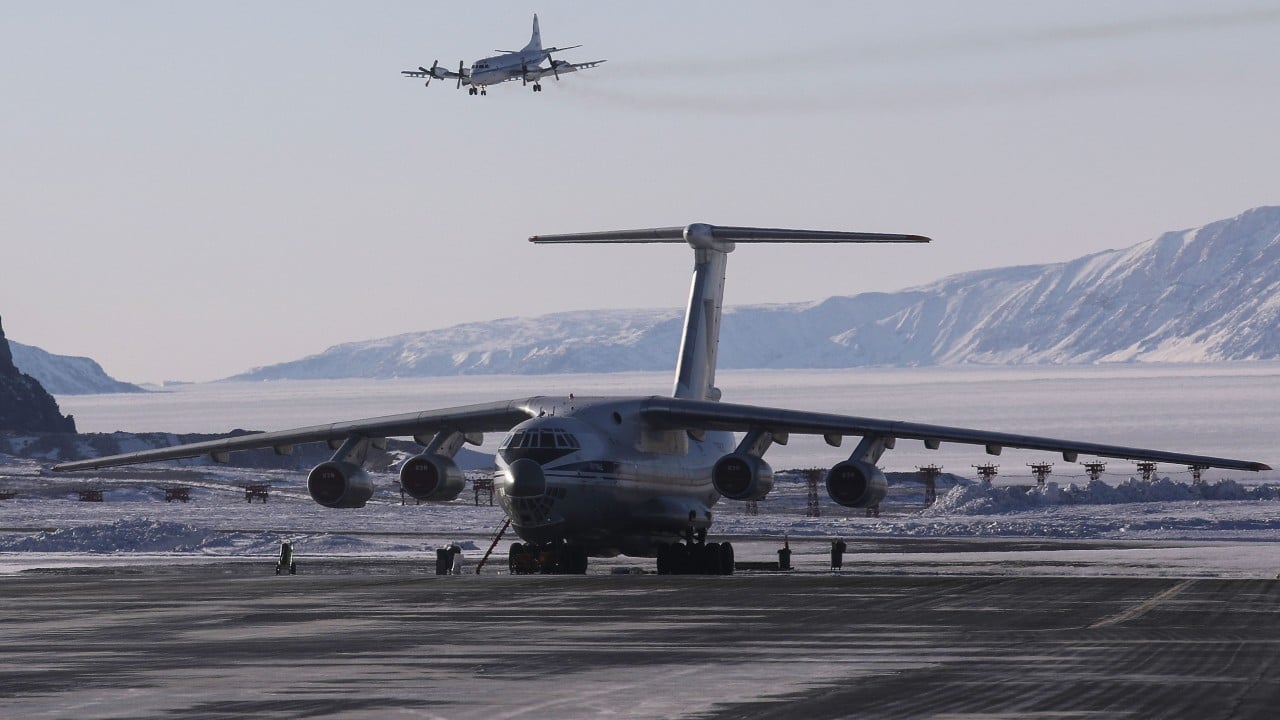
A new defence agreement allows the United States to expand its military presence in Greenland while reaffirming Danish sovereignty. Analysts say the planned bases and restrictions on non-Nato installations and sensitive investment are intended to improve surveillance and deter potential Chinese or Russian activity in the strategically important Arctic.
The United States, Denmark and Greenland have signed an agreement allowing Washington to expand its military presence on Greenland, while reaffirming Denmark’s sovereignty over the Arctic island. The agreement updates a 1951 defence arrangement and permits the expansion and modernisation of the US Space Force base at Pituffik. It also provides for possible new bases at Narsarsuaq in southern Greenland and Mestersvig in the northeast, subject to approval by Greenland and Denmark.
The deal calls for stronger Nato engagement in the Arctic. It bars non-Nato countries from establishing manned or unmanned military installations or maintaining a military presence in Greenland. It also restricts investments that could be considered a threat to US national security.
Narsarsuaq contains a former civilian airport and a US airbase that closed in 1958, while Mestersvig is home to the Sirius Dog Sled Patrol, a Danish special forces unit. US President Donald Trump said before the signing that the United States would immediately begin developing a larger military presence at suitable locations. Analysts said the agreement would strengthen surveillance in a region whose strategic importance is increasing as sea ice melts and shipping routes open.
Greenland lies between the Arctic Ocean and North Atlantic and is near the Greenland-Iceland-United Kingdom gap, a route relevant to naval movement between the Arctic and the wider Atlantic. Marc Lanteigne of the Arctic University of Norway said the restrictions on non-Nato installations and strategically sensitive investment were directed largely at China and Russia. Troy Bouffard of the University of Alaska Fairbanks described the proposed facilities as supporting presence, surveillance, logistics and access to nearby waterways.
China has described itself as a “near-Arctic state” and expanded cooperation with Russia in research, resources, shipping and infrastructure. Chinese and Russian military activity has so far been more focused on the Pacific Arctic, according to Lanteigne, but Nato considers monitoring increasingly important as central Arctic waters become more accessible. The analysts said a stronger US and allied presence could reduce opportunities for China and Russia to exploit surveillance gaps, although the source material does not indicate that either country currently operates military forces near Greenlandic waters.
This independently written report is based on information supplied by the named publisher. Vertrix News has not independently verified the source report.