Warm Pacific waves threaten to worsen West Coast erosion and flooding
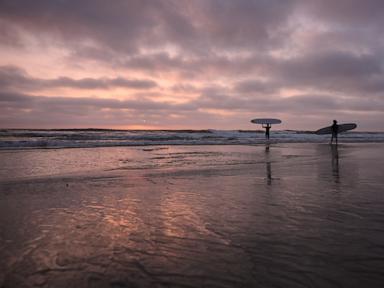
A series of warm-water Kelvin waves is expected to raise sea levels along the US West Coast by roughly six inches to one foot as they move north, increasing risks from high tides, storms and large waves. Scientists say the waves are linked to a powerful El Niño and could worsen erosion through winter.
A series of warm-water pulses known as Kelvin waves is expected to raise sea levels along the US West Coast by about six inches to one foot this month, increasing the risk of erosion and flooding in vulnerable coastal areas. The waves are moving north along the California coast at about six miles per hour and are expected to affect Oregon and Washington. Experts said further pulses could pass along the coast from October through February, when high tides, storms and large North Pacific swells may amplify their effects.
Kelvin waves are not tsunamis. Scientists describe them as broad bulges of water that move through the Pacific and lift sea levels as they reach the coast. They form when equatorial trade winds weaken or reverse, allowing water pushed westward towards Asia to move east towards the Americas.
Michael Jacox, a research oceanographer with the National Oceanic and Atmospheric Administration, said the waves would not flood areas by themselves. However, he said higher starting sea levels could magnify the effects of unusually high tides, storms and storm surges. The waves also raise ocean temperatures and push cold, nutrient-rich water deeper, affecting marine life.
Sean Vitousek of the US Geological Survey said higher water, larger waves and spring tides could produce exceptional erosion, removing protective beaches and increasing impacts on property and infrastructure. Coastal communities are already preparing. In Southern California, erosion has threatened a seaside rail line and damaged oceanfront homes, while authorities are placing emergency sand on beaches.
California declared a state of emergency in late September in preparation for what officials said could be a historic El Niño season. The ultimate damage will depend on the strength of storms and tides.
This independently written report is based on information supplied by the named publisher. Vertrix News has not independently verified the source report.