Xi calls on Chinese universities to support national technology goals
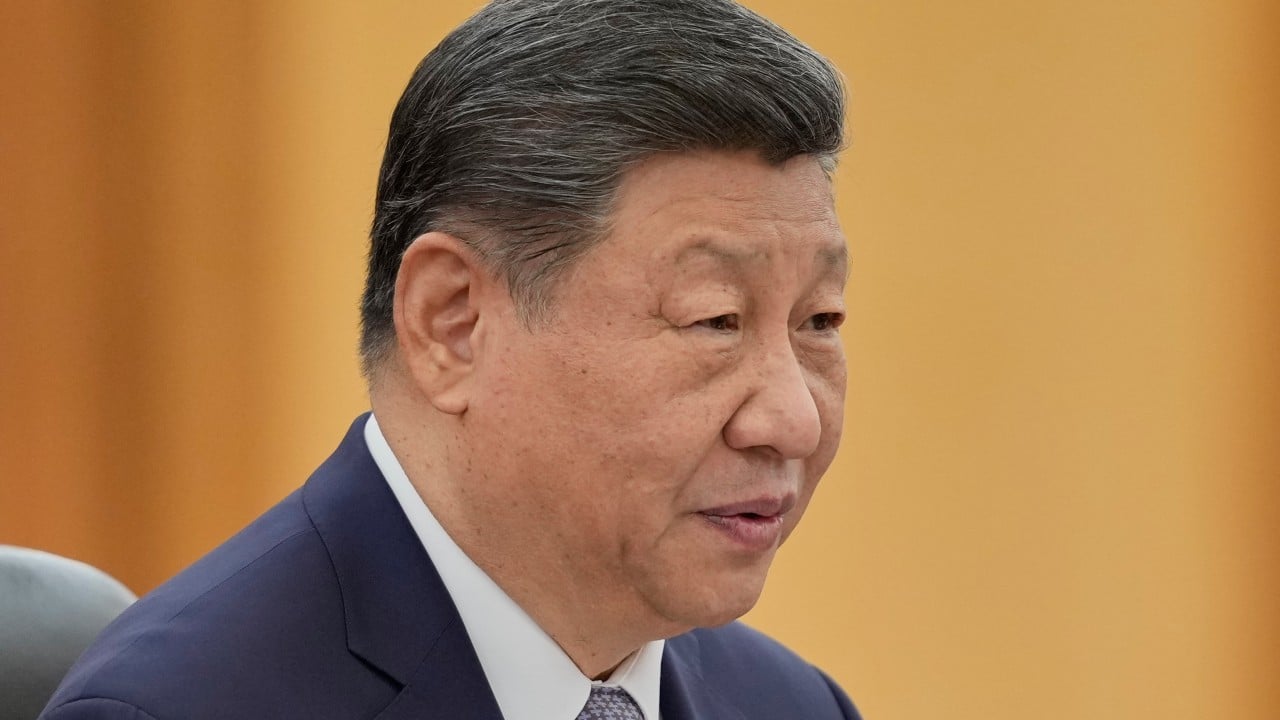
Chinese President Xi Jinping has urged Sichuan University to use its strengths across the humanities, sciences, engineering and medicine to support national strategies in education, science, technology and talent. His message comes as Beijing presses universities to strengthen innovation and align more closely with economic priorities.
Chinese President Xi Jinping has urged universities to draw on multiple academic disciplines to support the country’s national technology and innovation ambitions. Xi made the appeal in a letter released on Tuesday to mark Sichuan University’s 130th anniversary. He told faculty members and students at the Chengdu-based institution to play a pioneering role in supporting national strategies and contribute to building China into a strong country in education, science, technology and talent.
The message comes as Beijing seeks to make higher education institutions more central to technological development. Guidelines issued earlier this month called on universities to develop distinct roles linked to national priorities. Under those guidelines, research universities should act as a key force supporting major national strategies, while institutions focused on particular industries should improve their contribution to the real economy.
A five-year education plan released by the State Council in June similarly called for stronger innovation and the development of home-grown talent. The plan also promoted interdisciplinary collaboration, encouraging universities to move beyond traditional subject-based structures and contribute more directly to national innovation goals. China’s higher education system has expanded substantially.
Ministry of Education figures cited in the material put nationwide enrolment at 48.7 million in 2025, with a gross enrolment rate of 61.3 per cent, more than double the 30 per cent recorded in 2012. Some universities are broadening their academic offerings in response. The University of International Business and Economics in Beijing, traditionally known for business and economics, said on Tuesday that it had introduced short micro-majors in artificial intelligence, data science and digital humanities.
The programmes are designed to supplement students’ main fields of study, with classes scheduled on weekends, during summer breaks or in the evenings. The move illustrates the broader push towards combining established disciplines with technology-focused training.
This independently written report is based on information supplied by the named publisher. Vertrix News has not independently verified the source report.