Xinjiang cotton industry turns inward as US sanctions reshape trade
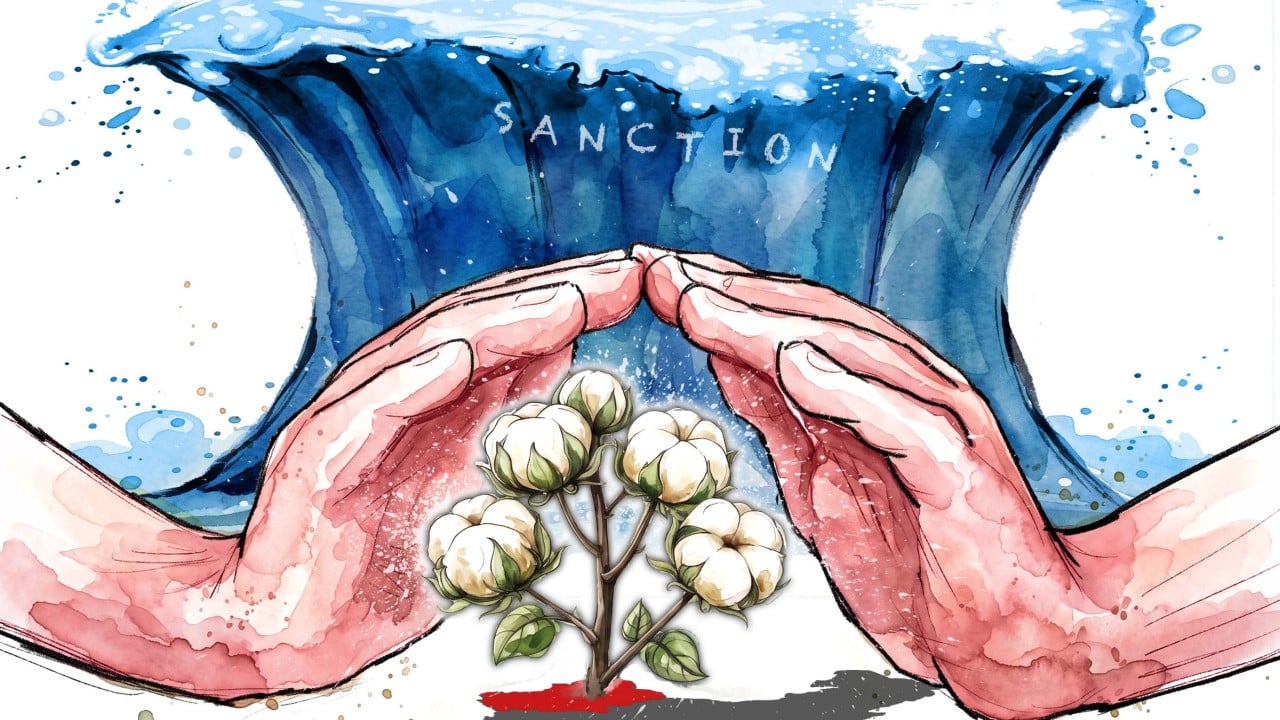
Xinjiang’s cotton sector has responded to US restrictions with greater mechanisation, domestic sales and new trade routes, according to a South China Morning Post report. The changes have improved productivity for some farmers but also brought narrower margins, reduced access to Western buyers and losses for companies affected by the sanctions.
Xinjiang’s cotton industry has responded to US sanctions by accelerating mechanisation, shifting towards China’s domestic market and seeking customers beyond the West, according to the South China Morning Post. In Awati county, a cotton-producing area affected by the restrictions, more than 90 per cent of cotton is now harvested by machine, the report said, citing China’s cotton association. Land consolidation, satellite-guided seeders and drones have also reduced the time required for planting and spraying.
A village technician, Yusup Molamaiti, said mechanisation had replaced the manual work once required across scattered plots. The village leader’s collective reported that yields had risen to 400kg per mu, from 250-300kg previously. Molamaiti and his wife now earn more than 30,000 yuan from less than five months of cooperative work, while their household income, including livestock farming, exceeds 90,000 yuan, according to the report.
The figures were presented during a government-organised media tour intended to showcase Xinjiang’s development. The US Uyghur Forced Labor Prevention Act, passed in 2021, applies a presumption that goods produced wholly or partly in Xinjiang involve forced labour. Beijing rejects allegations of forced labour.
The law requires companies seeking entry for listed goods to provide “clear and convincing evidence” to overcome the presumption. The report said 187 companies had been placed on the relevant US list after additions in August. It described failed legal challenges and the commercial consequences for some producers.
Esquel Group, which commissioned audits and challenged its listing in court, ultimately faced further sanctions; major clients cancelled orders, and more than 10,000 jobs were lost globally. A University of Delaware professor, Sheng Lu, said the legal threshold made Xinjiang cotton too risky for many US fashion companies. One textile manager said his company redirected 60 to 70 per cent of capacity to Chinese customers, including Anta Sports.
This independently written report is based on information supplied by the named publisher. Vertrix News has not independently verified the source report.