Analysis: Threats are reshaping Washington’s foreign policy
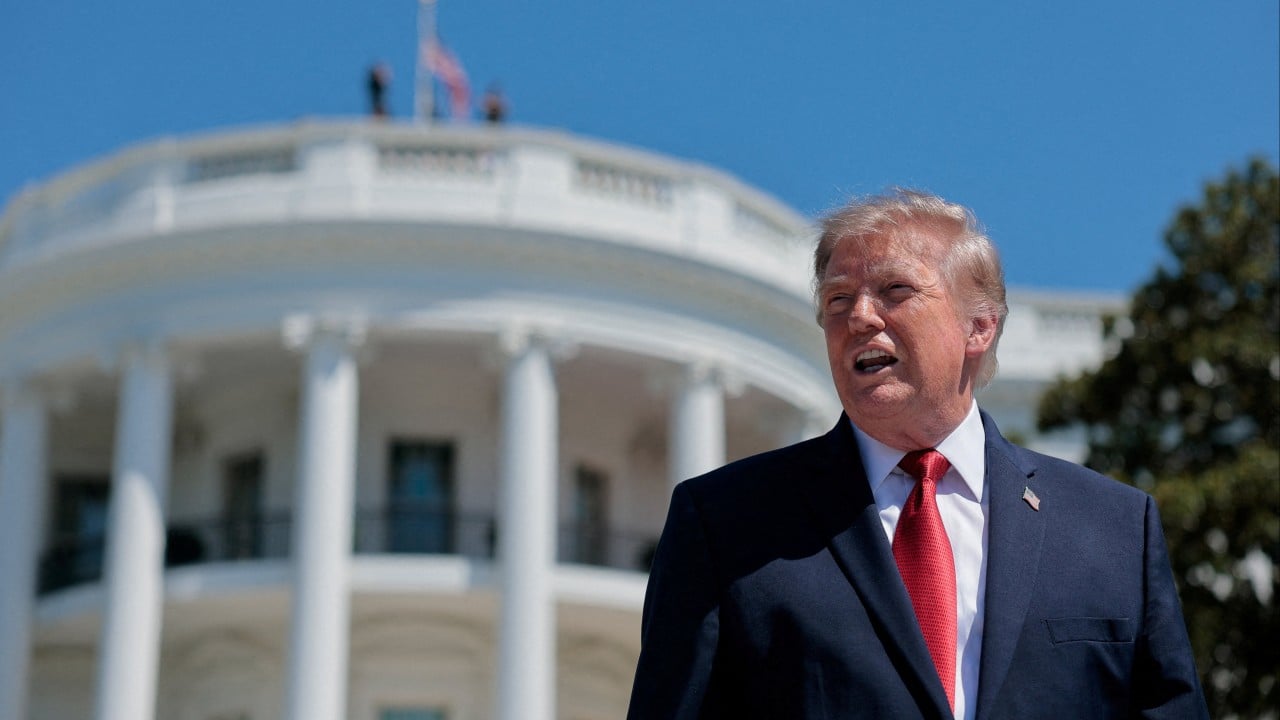
A South China Morning Post commentary argues that the United States is relying increasingly on tariffs, sanctions, security leverage and diplomatic pressure, including against allies. It says this approach may produce immediate concessions but risks weakening Washington’s international influence by undermining sovereign equality and eroding its ability to persuade partners.
A South China Morning Post commentary argues that coercion has become a central instrument of United States foreign policy, extending beyond strategic rivals to developing countries and American allies. The article points to President Donald Trump’s response to a proposal by European Commission President Ursula von der Leyen to make Canada the European Union’s first associate member. Trump said the arrangement could be treated as a hostile act and threatened serious tariffs or restrictions on trade with Europe.
He also described Canada as a poor trading partner. The commentary cites other examples of pressure, including Trump’s threats concerning Greenland and Brics countries that might support an alternative to the US dollar. It also refers to a reported State Department letter warning partners against joining a China-led artificial-intelligence framework.
According to the article, Washington uses market access, technology controls, financial systems, security guarantees and diplomatic isolation to influence other governments. It attributes the approach partly to Trump’s belief that maximum pressure can secure maximum concessions, but says the broader explanation is a combination of US power and declining soft influence. The commentary says coercive diplomacy became more prominent after the Cold War and accelerated after the September 11 attacks, as financial surveillance, secondary sanctions and executive action were increasingly used as foreign-policy tools.
It cites a Morning Consult survey in which China recorded a net favourability rating of 8.8 across 41 countries, compared with a negative 1.5 rating for the US. The article lists alleged gains from Trump’s pressure campaign, including investment commitments, access to critical minerals, increased Nato spending and arrangements involving energy and Greenland. It argues, however, that forcing countries to choose sides weakens the principle of sovereign equality.
Citing Malaysian Prime Minister Anwar Ibrahim and Singapore Foreign Minister Vivian Balakrishnan, it says Southeast Asian governments have rejected imposed alignment. The commentary concludes that coercion may deliver short-term results but could further reduce US influence unless Washington returns to diplomacy based on equality and mutual benefit.
This independently written report is based on information supplied by the named publisher. Vertrix News has not independently verified the source report.