Apple takes China smartphone lead after strong iPhone 18 Pro launch
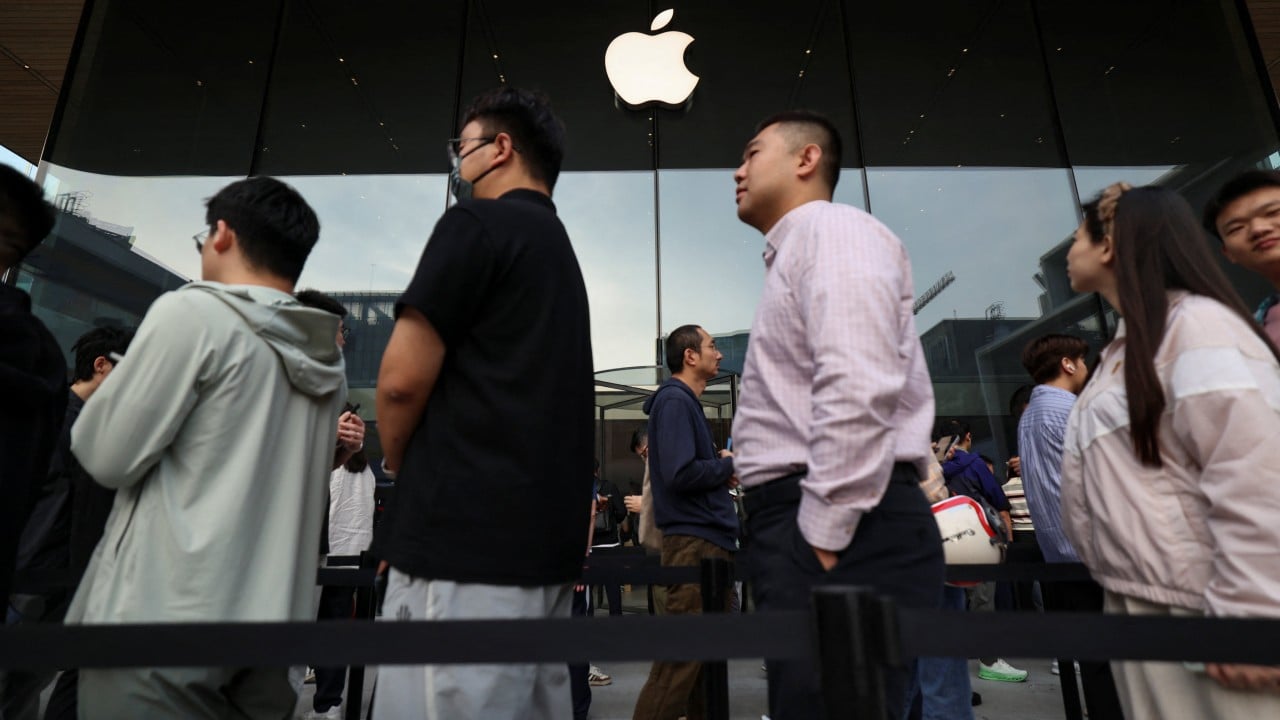
Apple captured 33 per cent of China’s smartphone sales for the week of September 14-20 after the iPhone 18 Pro launch, according to Counterpoint Research. The result came as the wider market weakened because of soft consumer demand and higher component costs, including a global memory-chip shortage.
Apple took the leading position in China’s smartphone market during the week of September 14 to 20 after the release of its iPhone 18 Pro series, according to Counterpoint Research. The research firm said sales of the new Pro models during their first three days, following the September 18 launch, were 12 per cent higher than sales of the iPhone 17 Pro range during its entire first week the previous year. Apple consequently accounted for 33 per cent of smartphone sales in China for the week, moving ahead of domestic and international rivals.
Counterpoint analyst Ivan Lam said the delayed release of the standard iPhone 18 may have encouraged some buyers to choose the Pro models instead. Lam also said price increases of more than $200 on many Chinese flagship phones may have improved the iPhone’s relative value proposition, despite the premium positioning of Apple’s devices. Counterpoint expects the Chinese market to gain momentum as domestic brands release flagship products before the National Day holiday.
Huawei has launched the foldable Pura X Max and Pura X View, while Xiaomi has added the 18 Fold to its range. Apple may receive another boost when its first foldable phone, the iPhone Duo, goes on sale on October 23. UBS said Chinese consumers continued to show more interest in foldable devices than consumers in other international markets.
The strong launch came against difficult conditions for the smartphone industry. Counterpoint said China’s weekly handset sales had fallen by double digits year on year since July, citing weak consumer spending and high chip costs. A shortage of memory chips is also affecting global manufacturers as demand from artificial-intelligence infrastructure competes with consumer electronics.
IDC forecast in August that global smartphone shipments could fall 16.7 per cent this year, while Counterpoint projected a 14 per cent decline for 2026. UBS maintained its forecast for Apple’s global iPhone shipments in the current financial year at 261 million units, representing projected growth of 15.4 per cent year on year.
This independently written report is based on information supplied by the named publisher. Vertrix News has not independently verified the source report.