Benin’s growth under Patrice Talon accompanied by democratic decline
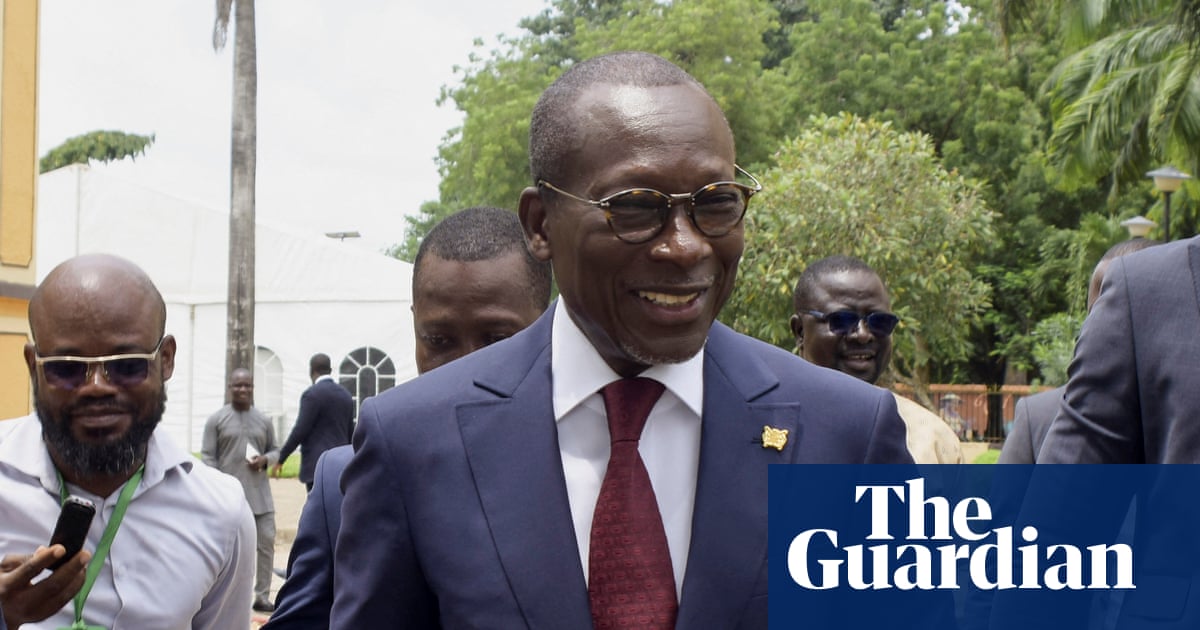
Patrice Talon oversaw major infrastructure and economic expansion during his presidency of Benin, but critics say his government weakened political competition and civil liberties. Constitutional changes, opposition restrictions and the imprisonment of dissidents have intensified debate over the country’s direction.
Patrice Talon’s decade in Benin’s politics brought economic and infrastructure growth but also a marked decline in democratic freedoms, according to the supplied material. During his presidency, which ended in May, annual GDP growth rose from 3% to 6%, a coastal road was built and an industrial zone was launched near Cotonou. Talon, a wealthy businessman known as the “cotton king”, sought to make Benin less economically dependent on Nigeria.
Critics say the development programme came with increasingly restrictive politics. New election laws and high registration fees reduced opposition representation in parliament. The government also shut down the internet during a 2019 parliamentary election as protests took place.
The judiciary was accused of being used to suppress dissent. Opposition leader Reckya Madougou was imprisoned on charges of undermining the state. A judge involved with a court handling economic and terrorism cases resigned and fled to France, saying there had been no justice in Madougou’s case.
A constitutional amendment extended the presidential term from five years to seven, introduced barriers that kept opposition parties outside parliament and created a senate whose members are appointed rather than elected. A subsequent attempted coup cited Talon’s authoritarianism and insecurity. Talon’s chosen successor, Romuald Wadagni, won the April presidential election with more than 94% of the vote.
Talon later became president of the senate. Supporters say his policies produced net economic progress. Critics argue that growth has not benefited everyone, with rising rents, electricity prices and fuel costs, while development projects have been concentrated in Cotonou and Ouidah.
This independently written report is based on information supplied by the named publisher. Vertrix News has not independently verified the source report.