China launches nationwide programme marking 90 years since Long March
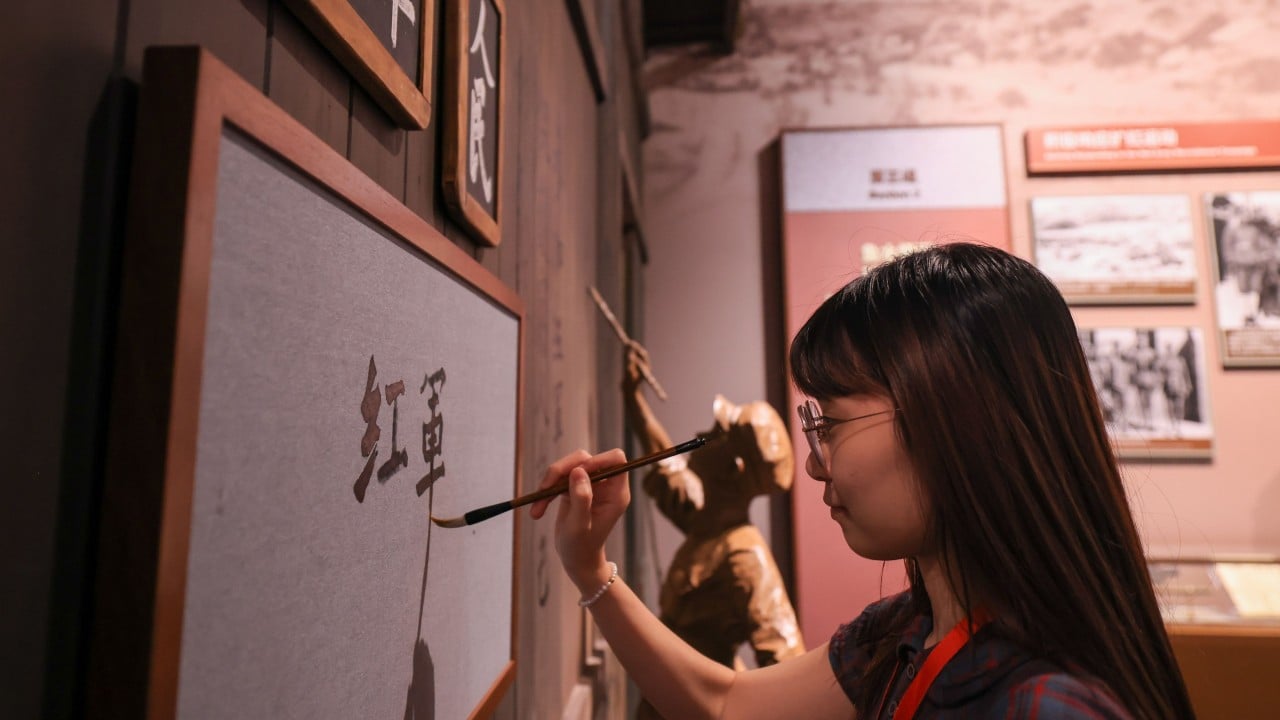
China is commemorating the 90th anniversary of the Long March with museum exhibitions, documentaries, youth tours, concerts and new films. The Communist Party is presenting the 1934-36 retreat as a symbol of resilience and sacrifice while linking its legacy to national goals under President Xi Jinping.
China has begun a broad programme of exhibitions, tours, documentaries, concerts and films to mark 90 years since the end of the Long March. The commemorative activities are being held ahead of the October 22 anniversary and are intended to promote the history of the Communist Party’s Red Army retreat and revive what officials call its spirit. The Long March took place from 1934 to 1936, when Red Army forces withdrew from Kuomintang forces during China’s civil war.
The troops travelled about 10,000km from bases in Jiangxi to Yanan in Shaanxi, where the Communist movement established a new headquarters. Chinese leaders and state media have long used the march as a symbol of resilience and sacrifice. President Xi Jinping described the country’s contemporary ambitions as a “new Long March” during a speech marking the 80th anniversary in 2016.
Museums and memorial halls in Beijing have opened exhibitions featuring photographs and objects including walking sticks and torches associated with the trek. One exhibition at the Military Museum of the Chinese People’s Revolution includes an installation designed to recreate the cold experienced by soldiers crossing snow-covered mountains. A five-part documentary about the 1935 Zunyi Conference has also been released.
The meeting, held in Guizhou during a period of military setbacks, preceded a leadership change that placed Mao Zedong at the head of the party and military. Other events include a Long March library in Sichuan, a youth tour in Gansu, a Shanghai Symphony Orchestra concert and activities in Hong Kong and Macau. Several Long March-themed films are scheduled for release during the National Day holiday, including productions set during and after battles of the civil war.
This independently written report is based on information supplied by the named publisher. Vertrix News has not independently verified the source report.