China promotes broader view of what makes a global power
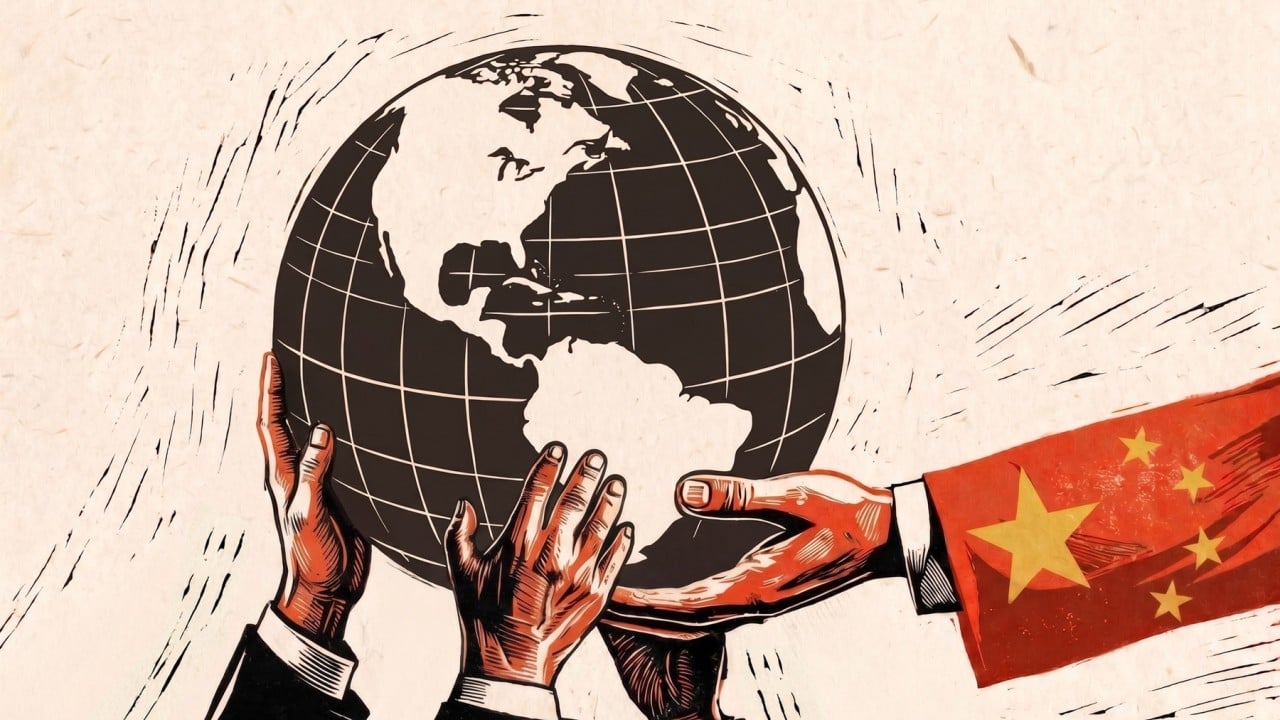
China’s rise has renewed debate over whether traditional definitions of a superpower remain adequate. The source says Beijing increasingly presents itself as a “major country”, emphasising economic, technological and diplomatic capacity, multilateralism and international development alongside military strength and strategic reach.
China’s rise as a peer competitor to the United States is prompting a debate over whether traditional definitions of a superpower still capture the nature of national power. China possesses many attributes historically associated with great powers, including a large population, extensive territory, a major economy, advanced technology and growing military strength. Yet Beijing generally describes the country as a “major country” rather than a great power or superpower.
That language reflects a different view of what power is for and what responsible power might mean in the 21st century. China’s white paper on global governance presents the country as advocating a more just and equitable international order. The traditional concept of a superpower emerged during the Second World War.
It centred on exceptional military and geopolitical capabilities, including the ability to sustain forces across major theatres and use overseas bases to project influence. Military strength and strategic reach remain important, but the source argues that they no longer represent the full range of national power. Economic interdependence, global supply chains, technology, finance and industrial capacity have become important tools of geopolitical influence.
The United States-China dispute over trade and technology illustrates that shift. During a tariff escalation, China used measures affecting critical minerals and other areas where it held leverage, rather than relying only on matching tariffs. Subsequent negotiations demonstrated the costs of treating the two economies as entirely separate adversaries.
The source does not suggest that economic power has replaced military power. Instead, it says the two are increasingly connected. Industrial resilience, supply chains and financial strength can affect a country’s ability to sustain confrontation, while control of strategically important networks can provide bargaining power.
China’s official language emphasises sovereignty, multilateralism, international law, development and a people-centred approach. The source says the distinction between a superpower and a responsible major country ultimately focuses not only on the capabilities a state possesses, but also on how it uses them.
This independently written report is based on information supplied by the named publisher. Vertrix News has not independently verified the source report.