China regulator calls for live-action dramas as AI microdramas surge
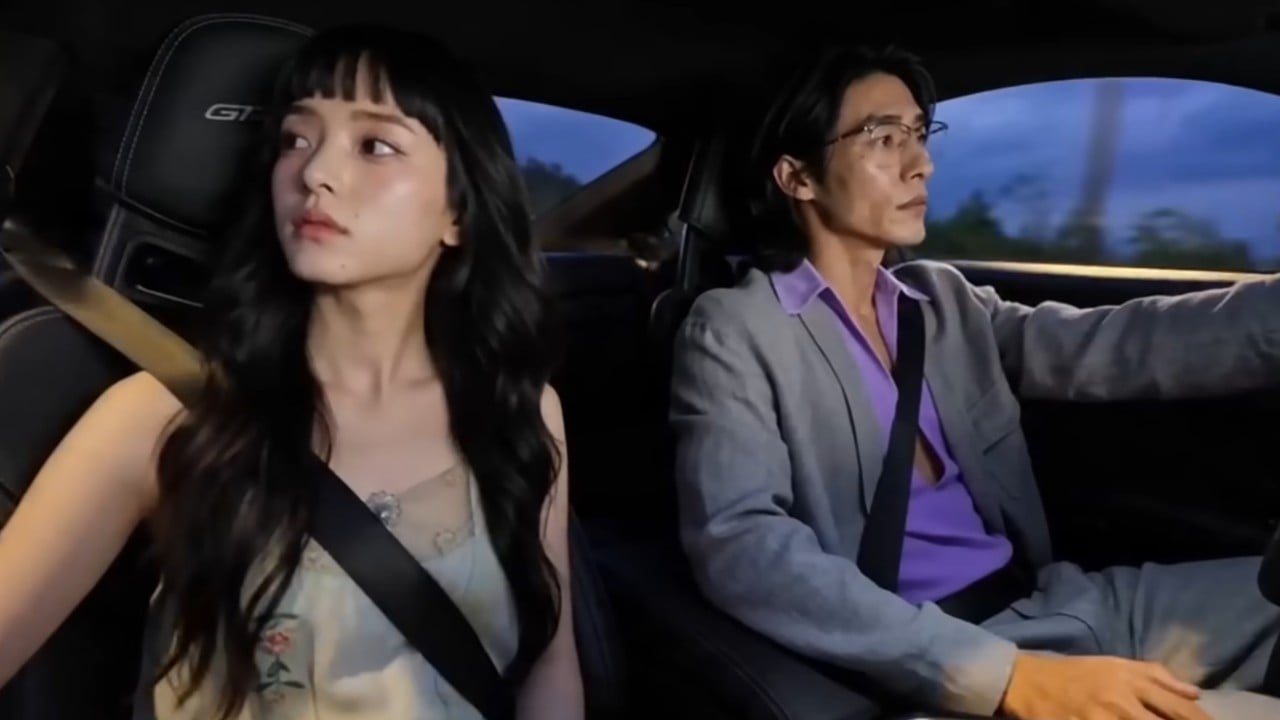
China’s broadcasting regulator is urging platforms to support live-action microdramas as artificial intelligence rapidly expands production. Officials said AI had created new opportunities but also raised concerns over formulaic content, plagiarism, voice and face cloning, and the rights of actors and other creators.
China’s broadcasting regulator has called for greater support for live-action dramas as artificial intelligence transforms the country’s rapidly growing microdrama industry. Wang Xiaoliang of the National Radio and Television Administration said live-action dramas should remain central to high-quality production. He said AI offered new production possibilities but also created challenges involving content standards and rights protection.
Around 430,000 microdramas were released in China during the first eight months of 2026, according to Wang, as many as 13 times the total for the whole of the previous year. AI dramas accounted for more than 90% of new releases, he said. The regulator plans to encourage platforms to create dedicated sections for live-action dramas and provide financial support so that higher-quality productions can find audiences.
Microdramas are short, fast-paced programmes designed largely for mobile viewing and are often divided into dozens of brief episodes. AI is now being used across production, including story adaptation, scriptwriting, character and scene generation and post-production. The technology has lowered costs and allowed companies to produce titles at a speed that would not previously have been possible.
The expansion has also led to complaints about plagiarism, repackaging, unauthorised face-swapping and voice cloning, and the use of online literature without permission. Actors and members of the public have accused producers of using their likenesses without consent. Industry data provider DataEye said only 0.48% of new AI microdramas released on Douyin in the first half of 2026 exceeded 100 million views.
Writers and directors have warned that copying successful formulas could reduce originality and weaken the craft of real-world filmmaking.
This independently written report is based on information supplied by the named publisher. Vertrix News has not independently verified the source report.