Chinese artisans revive ancient hair-embroidery tradition with human hair
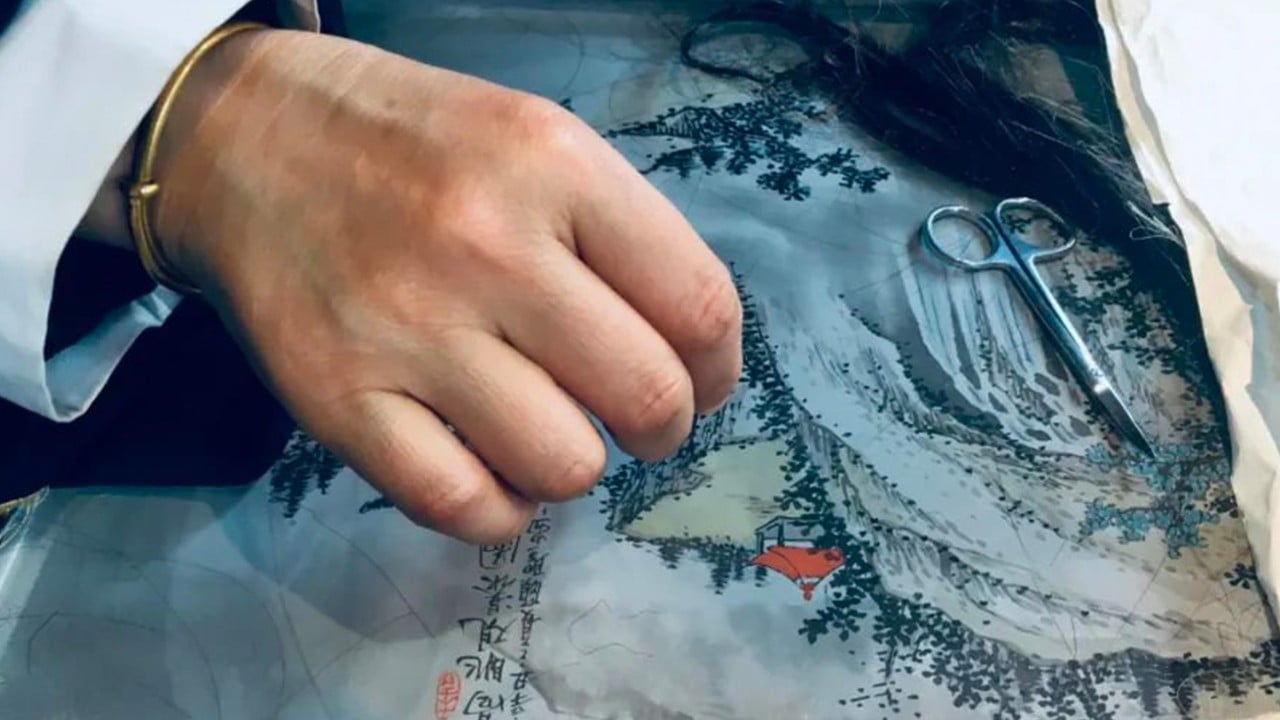
Hair embroidery from Dongtai in Jiangsu uses treated human hair instead of silk to produce highly detailed artworks by hand. The tradition dates back more than 1,000 years, declined during the Ming and Qing dynasties, and was revived in the 20th century. Dongtai hair embroidery gained national heritage status in 2021.
Artisans in Dongtai, eastern China’s Jiangsu province, continue a distinctive embroidery tradition that uses human hair instead of silk thread to create highly detailed images. Hair embroidery is believed to have originated in Dongtai during the Tang dynasty, more than 1,000 years ago. According to the supplied material, young women initially used their own hair to depict Buddha as an expression of religious devotion.
The technique later declined during the Ming and Qing dynasties. It was rediscovered and revived in the 1960s and 1970s, when Su embroidery professionals and artists were sent to Dongtai during the Cultural Revolution. The material requires hair from young, healthy women, generally at least 30 centimetres long.
Before use, it is degreased, softened, colour-fixed and preserved. Because the strands are extremely fine, the embroidery must be completed by hand rather than by machine. Artists use several stitching methods, including stemming, swirling and wrapping, to vary density and shade.
A large work may require the combined efforts of several artists and take months or years to complete. One notable example is Prosperous Suzhou, a work more than 12.4 metres long and 36 centimetres wide. Based on a 1759 painting, it contains 12,000 figures, 400 boats and 500 shop signs.
Artist Zhou Yinghua and more than 10 other embroiderers took three years to finish it in 2009. The material is especially suited to portraits and animal features. Traditionally, only black hair was used, giving the craft the alternative name moxiu, or ink embroidery.
Modern dyeing has expanded the palette, allowing artists to depict flowers, birds, landscapes and urban scenes. Some artists split strands into even finer fibres or combine hair with silk and gold thread. Dongtai hair embroidery was recognised as a national intangible cultural heritage in 2021.
This independently written report is based on information supplied by the named publisher. Vertrix News has not independently verified the source report.