Cinnabar discoveries renew debate over Qin emperor’s mercury tomb
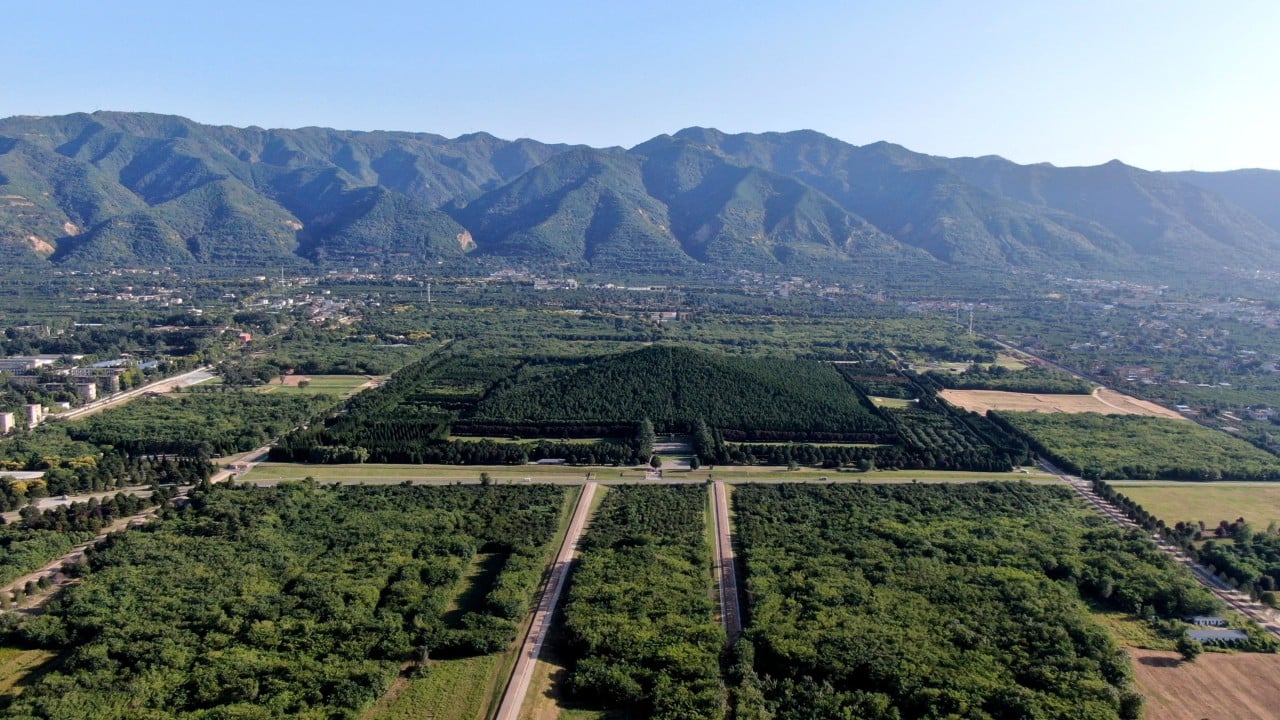
Archaeological evidence of ancient cinnabar mining in Shaanxi has revived speculation that the sites supplied mercury for Qin Shi Huang’s mausoleum. Experts say the discovery is suggestive but does not establish a direct link, and officials continue to oppose opening the fragile tomb without necessity.
Evidence of ancient cinnabar mining in Xunyang, Shaanxi, has revived interest in the possible source of mercury described in the mausoleum of Qin Shi Huang, China’s first emperor. Archaeologists found three sites showing cinnabar mining, processing and transport during the pre-Qin and Qin-Han periods. Cinnabar is a mercury sulphide mineral historically used to produce mercury.
Historical records describe mercury rivers and seas inside the emperor’s underground tomb. The discoveries have prompted online claims that the source of the tomb’s mercury has been identified. Researchers and cultural-restoration experts cautioned that the evidence does not prove Xunyang supplied the metal.
Current surveys cannot determine the total quantity underground or connect it to a specific mine. Non-invasive surveys have detected mercury concentrations in soil above the mausoleum more than 70 times higher than surrounding levels. The tomb itself has not been opened, and Chinese archaeological policy discourages excavation of major imperial tombs until relics can be protected.
Wu Yongqi of the Emperor Qinshihuang’s Mausoleum Site Museum said fragile underground artefacts could deteriorate if exposed. Experts also noted that Xunyang alone may not have met the possible demand if the tomb contained hundreds of tonnes of mercury.
This independently written report is based on information supplied by the named publisher. Vertrix News has not independently verified the source report.