Cost of living remains Germans’ leading concern, annual survey finds
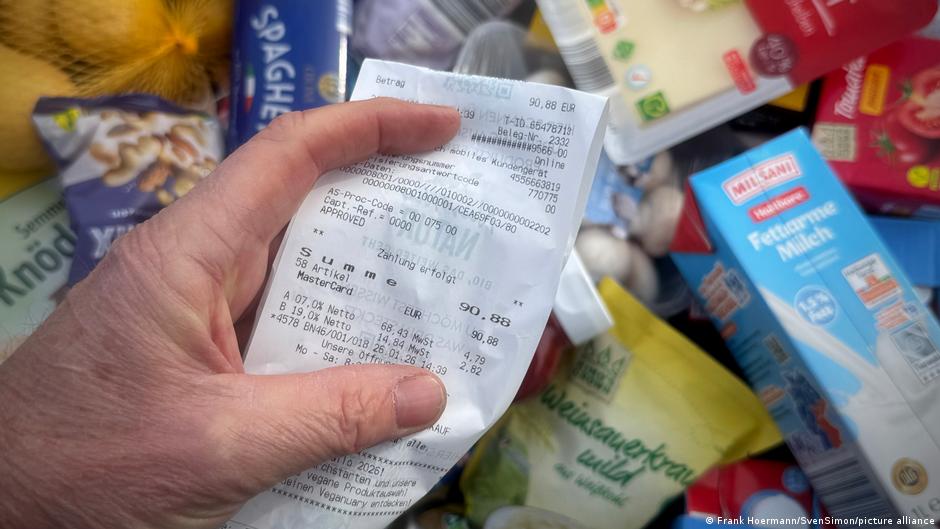
Rising living costs are Germans’ biggest fear in the 2026 R+V survey, with 59% of respondents naming the issue as their main concern. The study also found lower anxiety about war, job losses and US policy, but weak ratings for politicians and growing concern about taxes and social-security pressures.
The rising cost of living is Germans’ biggest concern, according to the 2026 edition of an annual survey conducted by insurer R+V. The study found that 59% of respondents viewed increasing daily expenses as their greatest fear, up from 52% last year. Researchers surveyed about 2,400 German-speaking residents aged 14 and older between early May and late July.
The survey has been conducted annually since the early 1990s. Isabelle Borucki, a political scientist from Marburg who advised the study, attributed the result to higher prices for energy, housing and food. She said those increases were reducing the money available for leisure, holidays and purchases.
The findings also indicated that respondents were conscious of pressure on Germany’s social-security systems. The state pension fund and long-term care insurance were described as chronically in deficit, while many respondents appeared to expect taxes and contributions to rise. Borucki said concerns about higher taxes and possible benefit reductions reflected a broader question about fairness, including who should bear the cost of modernising the systems and whether people could rely on receiving benefits to which they were entitled.
Immigration ranked among the leading concerns. A narrow majority, 52%, feared that the number of refugees was overwhelming the German state, placing the issue third in the survey. Anxiety about a war involving Germany declined to 34%, from 41% last year, while only 20% of working respondents feared losing their jobs, the lowest level recorded since that question was introduced in 1992.
Forty-five per cent said they feared US President Donald Trump’s policies were making the world more dangerous, compared with 69% in 2018. German politicians received an average grade of 4.1 on a scale where one is best and six worst. Borucki said the governing coalition of the CDU and SPD had not met expectations for stronger leadership or a rapid economic recovery.
This independently written report is based on information supplied by the named publisher. Vertrix News has not independently verified the source report.