Crash axe may explain weapon reported during flydubai cockpit attack
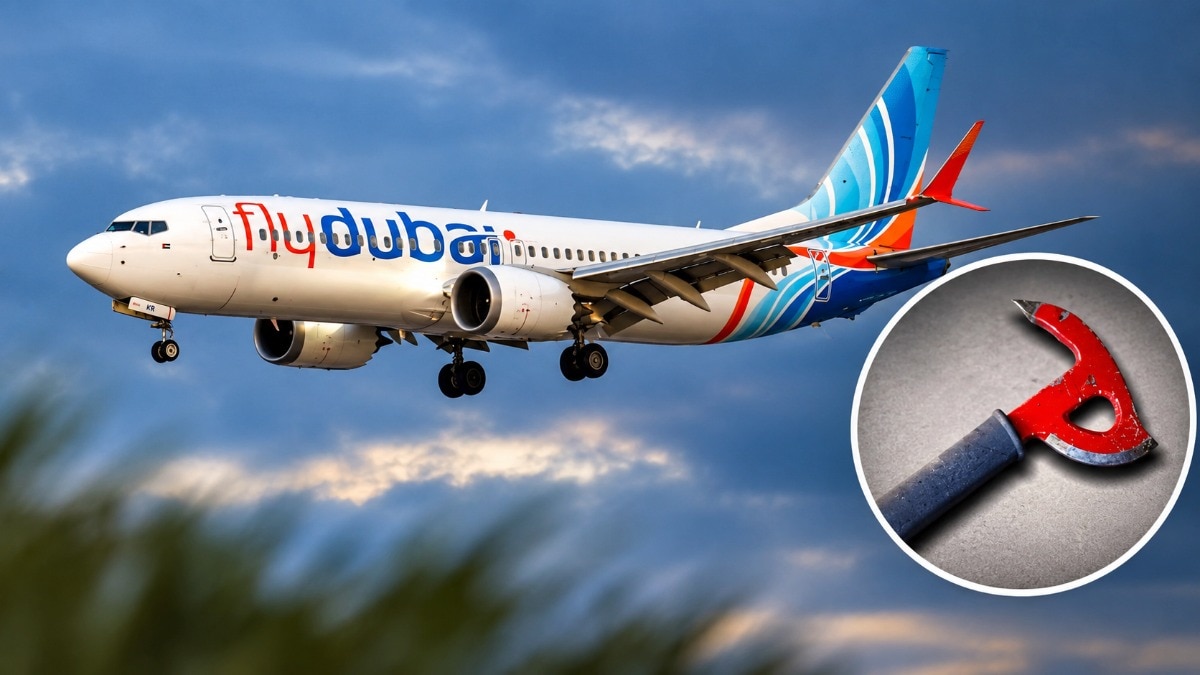
Commercial aircraft are required to carry a crash axe or crowbar in the flight crew compartment, meaning such equipment would not necessarily have passed through passenger security. The explanation follows an incident on a Dubai-to-Tel Aviv flight in which the co-pilot attacked the captain and the aircraft entered a rapid descent.
Commercial aircraft are required to carry emergency breaching equipment in the cockpit, meaning an axe reported during an incident on a flydubai flight would not necessarily have been smuggled through airport security. The incident occurred on September 30 aboard Flight FZ1073, travelling from Dubai to Tel Aviv. The Omani co-pilot attacked the Indian captain, Smit Machchhar, and the aircraft entered a rapid descent before passengers and crew intervened.
Passengers entered the cockpit and restrained the co-pilot. Israel is treating the incident as a possible attempted terror attack, while the United Arab Emirates General Civil Aviation Authority described it as a security incident and said an investigation was under way. Israeli Prime Minister Benjamin Netanyahu said the co-pilot may have used a knife or axe and alleged that he had undergone radical Islamist indoctrination.
Israeli Defence Minister Israel Katz described the incident as an attempted jihadi terror attack. Flydubai confirmed an altercation but cautioned against premature speculation, and Reuters said it could not establish which weapon had been used. Commercial aircraft carry a crash axe or similar tool to cut through light structures, panels and windows during emergencies.
Such equipment can help crews reach a fire behind a panel or create access after a crash. Some crash axes have insulated handles for use near electrical hazards. UAE aviation rules require aircraft above specified weight or passenger thresholds to have at least one crash axe or crowbar in the flight crew compartment.
Aircraft configured for more than 200 passengers must also have one in or near the rear galley, concealed from passengers. The Boeing 737 MAX 8 involved in the incident can carry up to 174 passengers, depending on configuration. Pilots are screened like other travellers and cannot normally bring weapons such as knives or guns on board.
Authorised emergency equipment already installed on the aircraft is treated differently. The presence of a crash axe therefore does not by itself establish a security failure or confirm that it was used in the attack. Investigators must determine what weapon was involved and what led to the cockpit confrontation.
This independently written report is based on information supplied by the named publisher. Vertrix News has not independently verified the source report.