Danish Refugee Council reports severe conditions in Gaza displacement sites
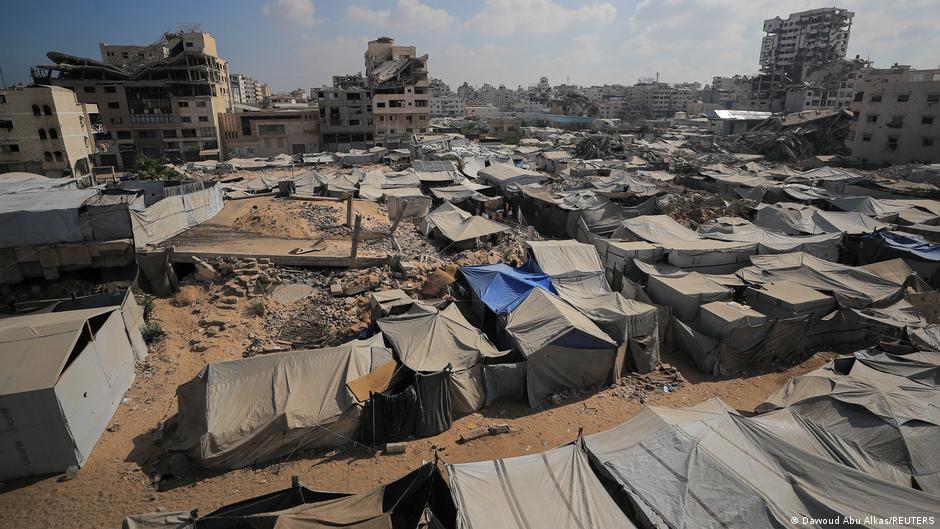
A Danish Refugee Council report says about 1.8 million people in Gaza are living in displacement sites, often without adequate shelter, services or aid access. The organisation also accused Israel of expanding the “Yellow Line” and urged greater transparency and humanitarian access.
About 1.8 million Palestinians in Gaza, or 86% of the population, are living in displacement sites that often have inhumane conditions, according to a report by the Danish Refugee Council. The report was based on group discussions with 195 people in displacement camps across five Gaza governorates. It said that a ceasefire announced in October 2025 had not ended displacement but had changed its form.
The organisation accused Israel of maintaining a policy of prolonged displacement and said the “Yellow Line”, which marks an area controlled by the Israeli military near Gaza’s eastern border, was moving westward towards the coast. Alan Moseley, the group’s country director for the occupied Palestinian territories, said the line was squeezing families into about 30% of Gaza’s territory. The report said aid organisations were unable to operate within several kilometres of the line because of access and security restrictions.
The report described shortcomings in informal tent shelters and makeshift camps built amid Gaza’s rubble. It also said only 36% of sites had a designated manager, such as a national non-governmental organisation, to coordinate services and resolve problems involving water, sanitation and safety. The Danish Refugee Council and the Agricultural Development Association urged Israel to stop expanding the line, publish its current and future route and provide assurances that military positions would not become permanent.
They also called for fewer restrictions on medical supplies, fuel, water and sanitation equipment. Israel had not commented on the report at the time of publication. The organisation said political and donor attention had declined during the year since the ceasefire even though conditions had not improved proportionately.
This independently written report is based on information supplied by the named publisher. Vertrix News has not independently verified the source report.