Delhi investigation records repeated harassment of women in everyday public spaces
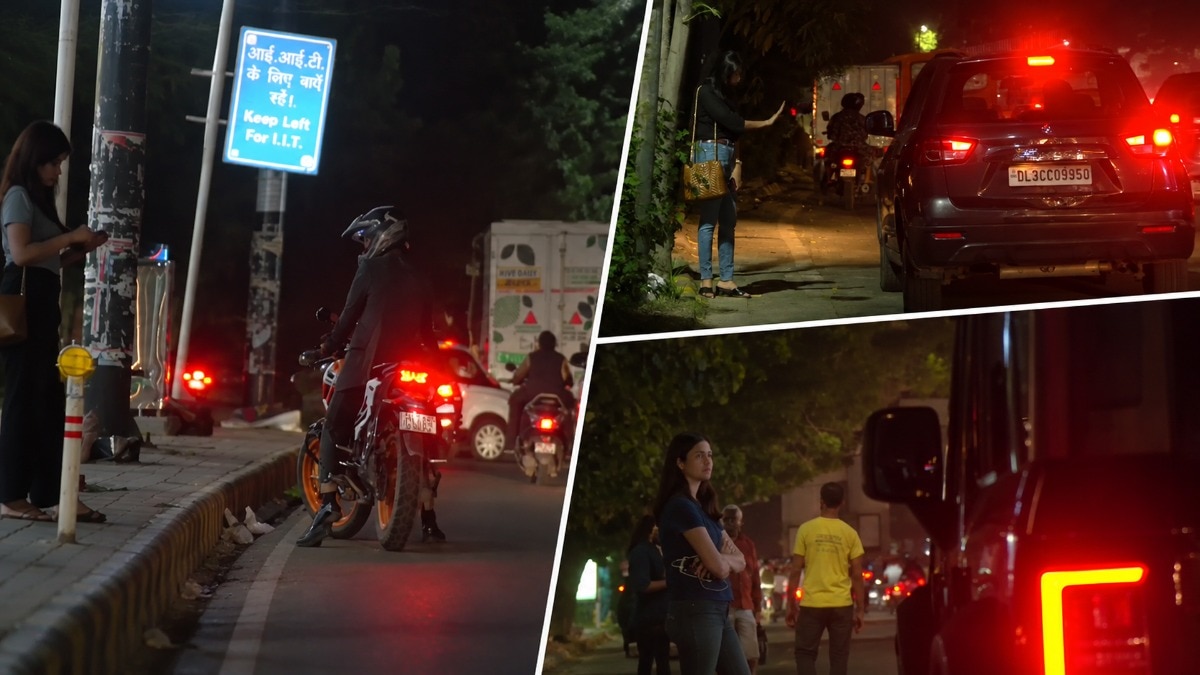
An India Today investigation involving four women reporters documented repeated staring, following, unwanted approaches and vehicles returning after rejection across parts of Delhi. The report argues that conduct often dismissed as minor can accumulate into a persistent sense of insecurity, even when it does not result in a formal complaint.
An India Today investigation by four women reporters has documented repeated staring, following, unwanted approaches and persistent questioning in public places across Delhi. The reporters observed everyday locations including markets, hospitals, colleges, temples, office districts and other public spaces in Central, South, East and West Delhi. The report said the incidents did not always meet the threshold of a reported crime, but formed a recurring pattern that made women feel unsafe.
Near Moolchand Hospital, a man in a car approached reporter Aishwarya Palliwal several times after she refused him. The report said he moved away after her third rejection but reversed his car about 50 metres later and resumed the approach. In West Delhi, reporter Jessica Goel recorded vehicles stopping to stare in Patel Nagar and Kirti Nagar, bikes stopping near a Rajouri Garden bus stop and a car apparently following her near Happy Model School in Janakpuri.
Near Bharti College, she reported dark stretches and poor lighting, while in Tilak Nagar a man came extremely close as he passed. Reporter Kartiki Arora spent about an hour near AIIMS and observed seven or eight vehicles stopping. The report said two or three returned after rejection, while some men asked “Milengi?” It also described men watching women at the entrance to Hauz Khas Village and groups staring near a Hanuman temple.
The investigation said these encounters are often minimised because they do not necessarily involve physical assault, police intervention or a formal complaint. It argued that the cumulative effect forces women to assess vehicles, strangers and routes in ordinary public spaces. The report’s central concern was that normalising such behaviour can discourage reporting.
It said safety should be considered before conduct escalates into a more serious offence, rather than only after a woman becomes a victim of one.
This independently written report is based on information supplied by the named publisher. Vertrix News has not independently verified the source report.