EnerVenue begins Chinese production of nickel-hydrogen batteries for grid storage
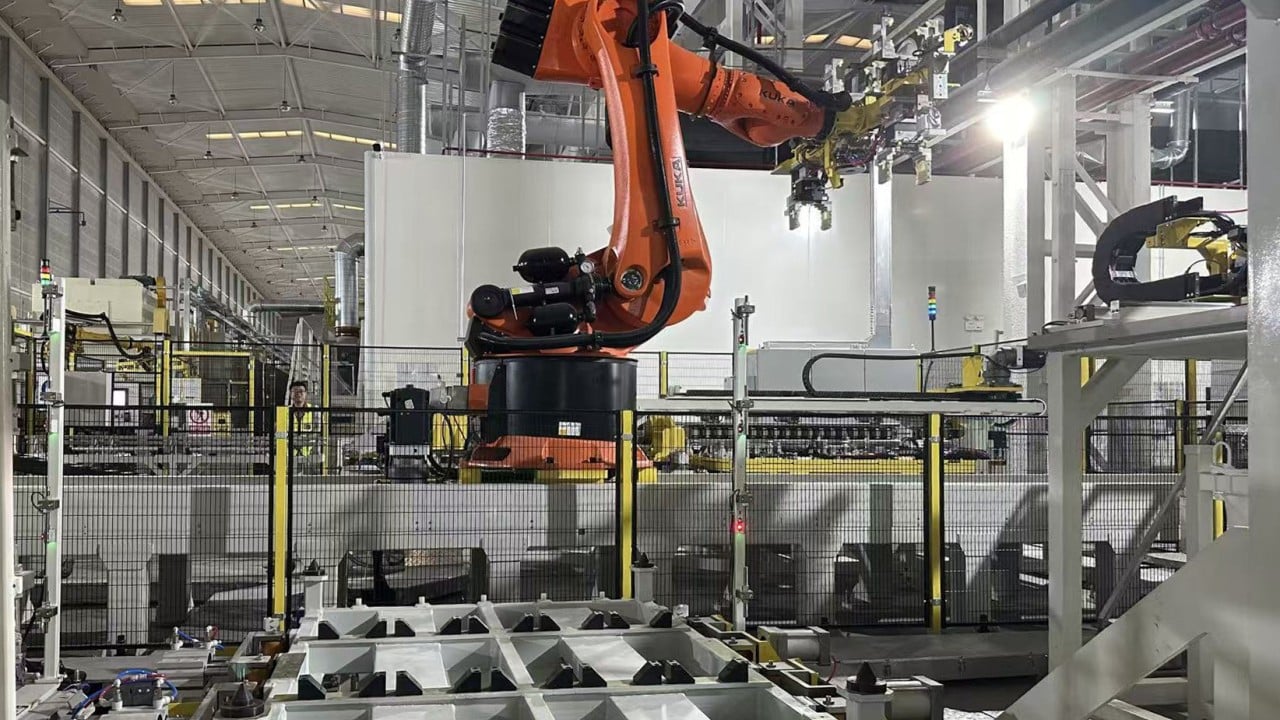
EnerVenue, a California start-up backed in part by Hong Kong investor Peter Lee Ka-kit’s family office, has begun producing nickel-hydrogen batteries in Changzhou, China. The company says the technology can provide long-duration storage, withstand harsh conditions and deliver more charge cycles than typical lithium iron phosphate batteries.
EnerVenue has begun manufacturing nickel-hydrogen batteries at a new plant in Changzhou, China, as it seeks a position in the expanding global market for renewable-energy storage. The California-based start-up was co-founded by Full Vision Capital, the family office of Hong Kong tycoon Peter Lee Ka-kit. The company’s Changzhou facility can currently produce 250 megawatt-hours of batteries annually.
EnerVenue plans to increase capacity to one gigawatt-hour in 2027 and said production would reach multiple gigawatt-hours in 2028. Chief executive Henning Rath told the South China Morning Post that the company viewed the technology as competitive in safety, sustainability and long-duration storage. He said the batteries were designed to function more like infrastructure than a degrading asset and had no risk of fire caused by thermal runaway.
Nickel-hydrogen batteries have been used for decades in aerospace applications. EnerVenue’s system uses aqueous metal cells and is intended to compete with lithium iron phosphate batteries, a widely used chemistry in electric vehicles and energy-storage systems. Rath said the batteries could deliver 30,000 full charge-discharge cycles and had a design life of 30 years.
Analysts cited by the report said an average lithium iron phosphate battery lasted 10 to 15 years and provided about 6,000 cycles. Other competing technologies include sodium-sulphur and flow batteries, as well as pumped hydro storage. EnerVenue said it had secured multi-megawatt-hour orders, including a project involving 26 energy-prism containers with combined capacity of 11 megawatt-hours at an oilfield in northern China.
The company also plans production lines in the Middle East and the United States. The start-up completed a $300 million fundraising round five months before the plant’s inauguration. Its potential applications include solar and wind projects, electric-vehicle charging infrastructure and power grids.
Analysts cited in the report said mainland Chinese companies account for more than 80% of the global energy-storage battery market, while demand rose 79% year on year to 550 gigawatt-hours in 2025.
This independently written report is based on information supplied by the named publisher. Vertrix News has not independently verified the source report.