Expert warns space weapons could turn orbital rivalry into wider conflict
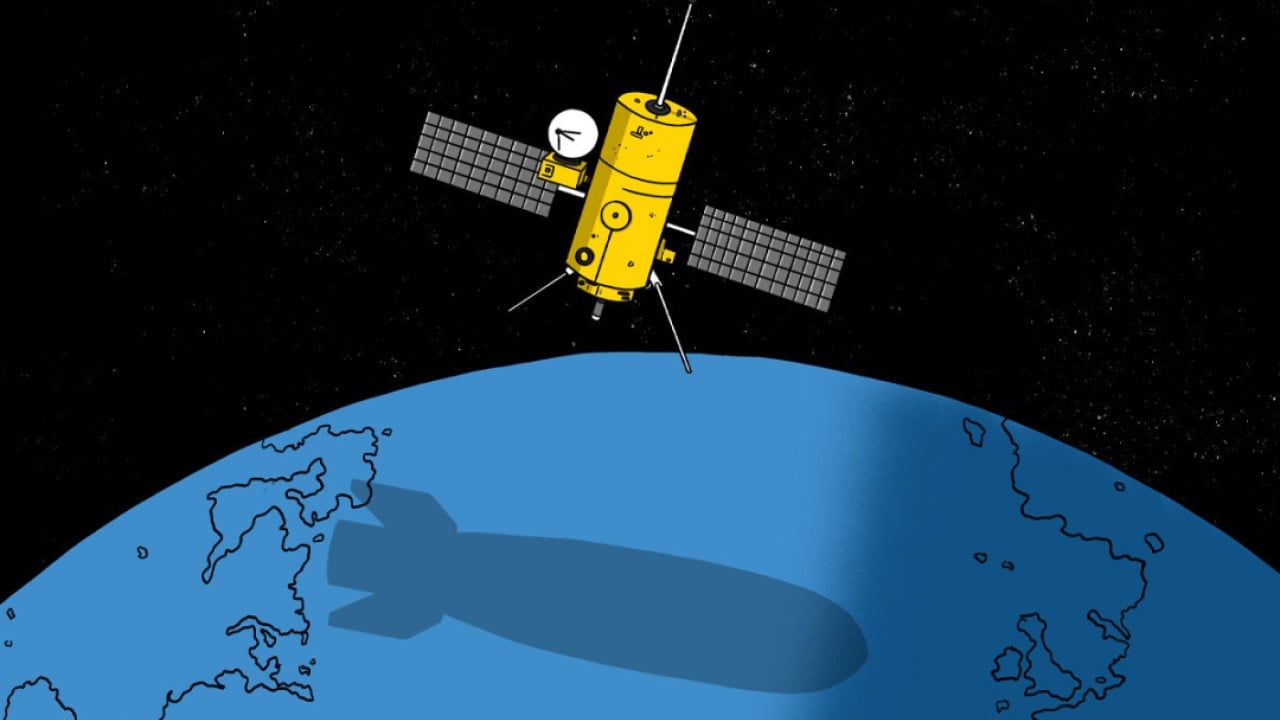
An opinion article warns that the US acknowledgement of on-orbit space-control weapons could intensify global security risks. It argues that attacks on satellites would create debris, disrupt critical infrastructure and potentially escalate beyond space, while calling for stronger international limits on anti-satellite testing and weapon deployment.
The United States’ acknowledgement that it has space-control weapons in orbit has intensified debate over the military use of outer space, according to an opinion article published by the South China Morning Post. The article said the US Space Force announced on September 14 that the country possessed on-orbit capabilities to defend military forces against hostile action. It noted that no other country had publicly acknowledged deploying weapons in orbit, although several states maintain military space organisations and conduct surveillance, communications and navigation activities.
It described counter-space systems as including co-orbital weapons, direct-ascent missiles, directed-energy tools and electronic or cyber capabilities. The article also highlighted a grey area involving civilian systems that could be adapted for military purposes. Two broad approaches dominate international discussions, it said.
China, Russia and several developing countries have advocated a legally binding treaty against space weaponisation, while the United States and other Western countries have focused on non-binding standards for responsible behaviour. The article cited close approaches involving Chinese space-station operations and SpaceX Starlink satellites in 2021 as an example of the dangers created even by commercial spacecraft. It also warned that anti-satellite tests by the United States, Russia, China and India produce long-lasting debris.
The resulting debris could contribute to the Kessler Syndrome, a chain reaction of orbital collisions that could make low-Earth orbit unusable. The article said the United States, which operates more than 10,600 active satellites and has plans for a much larger SpaceX constellation, would have substantial assets at risk. It also criticised the idea that American dominance could make space conflict safe or controllable.
Attacks on satellites could interrupt essential infrastructure on Earth and prompt retaliation across military domains. The article concluded that space warfare could rapidly become part of a broader conflict, potentially involving nuclear powers. It argued that stopping anti-satellite tests and pursuing cooperation were necessary to avoid creating an orbital environment dangerous to all countries.
This independently written report is based on information supplied by the named publisher. Vertrix News has not independently verified the source report.