Four-winged dinosaur fossil challenges single origin of flight
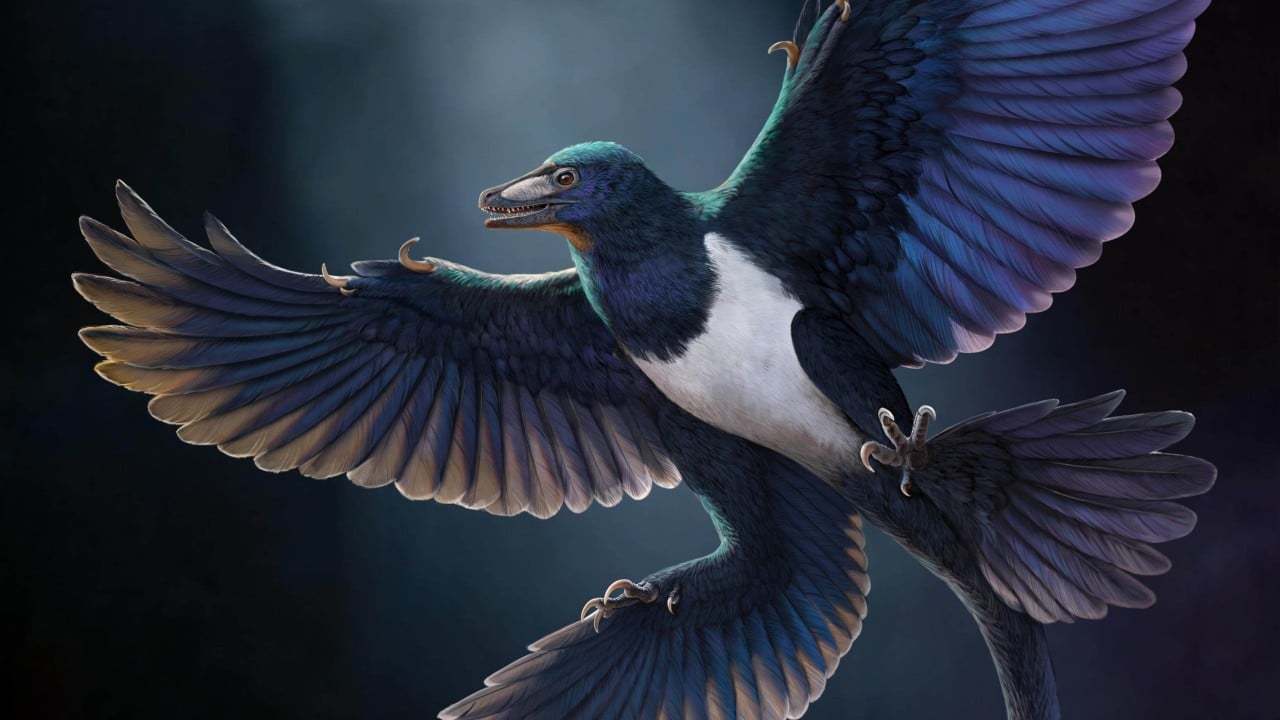
Researchers studying a 100-million-year-old fossil from China say the four-winged dinosaur Norellraptor barsboldi provides evidence that flight-related traits evolved independently in birds and microraptorines. The findings suggest the two lineages developed similar features in different sequences under distinct selective pressures.
A newly described, exceptionally preserved dinosaur fossil from northeastern China is challenging the idea that flight evolved once in a common dinosaur lineage. The species, named Norellraptor barsboldi, was a small, feathered predator measuring about 57 centimetres long. It belonged to the microraptorines, a group of bird-related dinosaurs whose members had feathers and wing-like structures on both their forelimbs and hindlimbs.
Researchers from institutions in China, Italy and Slovakia published their findings on Tuesday in the peer-reviewed journal Nature Communications. The fossil was found in the Lower Cretaceous Jiufotang Formation in Liaoning and includes a complete skeleton and parts of its plumage. The scientists compared the dinosaur’s anatomy with evolutionary data from birds and other members of Paraves, the group containing birds and microraptorines.
They found that about 30 per cent of anatomical changes in microraptorine evolution also appeared in the bird lineage. However, the features emerged in a different order. Birds first fused wrist bones and lengthened breastbones before shortening their hand digits.
Microraptorines shortened their finger bones much earlier, reducing their grasping ability. The researchers said the consistent difference in the sequence of flight-related developments argued against a shared developmental pattern or inherited flight apparatus. Instead, they said separate selective pressures probably shaped the two lineages.
The new species was named in honour of American palaeontologist Mark Allen Norell and Mongolian palaeontologist Rinchen Barsbold, both of whom died in 2025. The fossil’s analysis indicated that the animal was at least three years old when it died. The researchers said further work would require more fossils from birdlike dinosaurs.
Additional specimens could show how widespread the unusual developmental pattern was and help clarify the evolutionary processes that led dinosaurs into the air.
This independently written report is based on information supplied by the named publisher. Vertrix News has not independently verified the source report.