Georgian journalists and artists describe mounting pressure on dissent
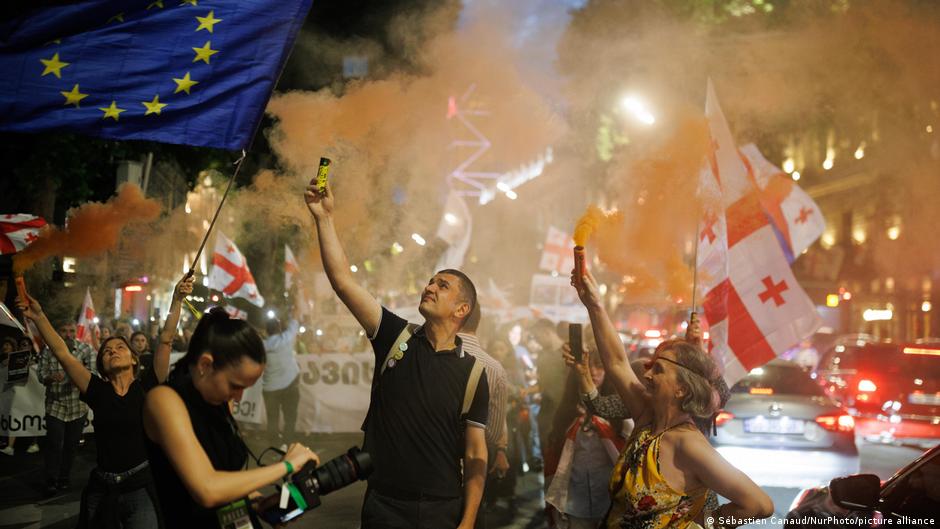
Georgian media and cultural figures told a DW panel in Berlin that journalists, activists and artists face physical, digital, psychological, financial and legal pressure. Participants said restrictive laws and inspections were undermining independent organisations as the government’s relationship with Europe deteriorated.
Georgian journalists, artists and civil society advocates have described increasing pressure on critical voices and independent institutions at a Deutsche Welle panel in Berlin. Media expert Nino Robakidze said journalists faced physical, digital and psychological threats, as well as financial and legal pressure on their organisations. She said her activism had made her a target in Georgia and that she did not feel safe.
Musician, filmmaker and cultural organiser Marika Lapauri-Burk said the government had become increasingly creative in using arbitrary reasons to detain people with critical views. Participants said many Georgians had declined invitations to the panel because they feared consequences for themselves, friends and relatives. Local civil society and human rights organisations estimate that between 90 and more than 100 political dissidents and protesters are in prison or pre-trial detention, according to the report.
Georgia’s governing Georgian Dream party has been in power since 2012 and has increasingly aligned itself with Russia. A foreign-agents law introduced in 2025 requires organisations receiving foreign funding to register and meet extensive reporting requirements. A stricter version provides criminal liability and prison terms of up to five years, while the Anti-Corruption Bureau can inspect groups and freeze bank accounts.
Artists and cultural organisations that rely on European funding say the law threatens their grants, partnerships and operations. Another law restricting the public promotion of same-sex relationships and non-binary identities also affects media, education and the arts. Panelists said artists had played a prominent role in pro-European protests.
DW’s director general, Barbara Massing, said the broadcaster’s new Georgian-language Instagram service would support engagement with Georgian audiences.
This independently written report is based on information supplied by the named publisher. Vertrix News has not independently verified the source report.