Hong Kong companies turn to AI and new markets amid uneven recovery
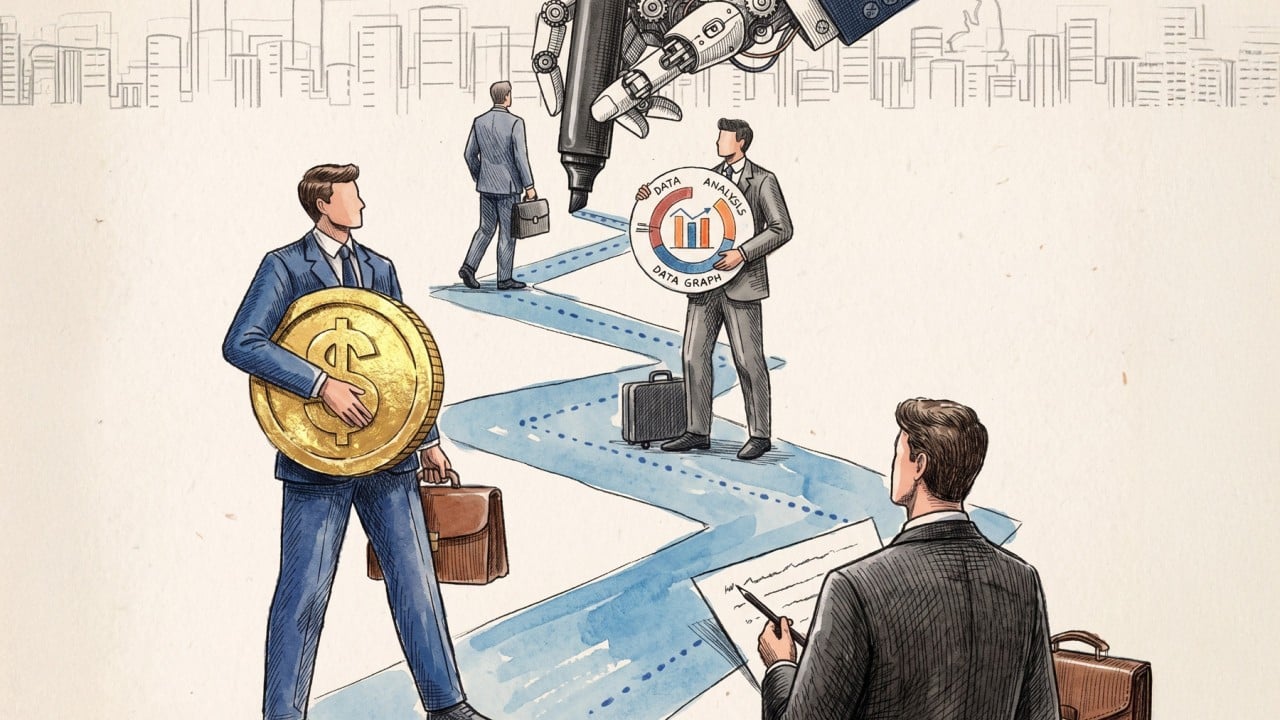
Hong Kong businesses are investing in artificial intelligence, automation and regional expansion as they face geopolitical risks, rising costs and weaker consumer activity. Swire Coca-Cola is using AI-assisted sales recommendations and robotic systems, while analysts say smaller firms still struggle to fund technology upgrades.
Hong Kong businesses are accelerating the use of artificial intelligence and automation as they seek to remain competitive amid geopolitical risks, rising costs and an uneven economic recovery. Swire Coca-Cola, the city’s bottling giant, has tested an AI system that recommends drinks to sales staff based on local consumer profiles. Its mainland plants are also using robots that can select and sort heavy loads of packaged drinks while adapting to changing operating conditions.
Chief executive Karen So said the company was seeking to expand technologies tested in mainland China to other provinces and Southeast Asia through and in Hong Kong. She said the business had to manage geopolitical risks and higher raw-material costs, including aluminium and sugar. The company’s efforts come as Chief Executive John Lee Ka-chiu urges businesses to develop longer-term strategies and find their own ways to stay competitive.
Hong Kong’s government has raised its forecast for 2026 economic growth to between 3.5 per cent and 4.5 per cent, citing strong merchandise exports linked to demand for artificial-intelligence products. However, the recovery has not benefited all sectors. Shops and restaurants continue to face weak conditions, while the advocacy group Momentum 107 said shop prices had fallen by more than 40 per cent from their 2018 peak.
It also reported a 12.5 per cent vacancy rate in late 2025, described as a 40-year high. University of Hong Kong economics lecturer Vera Yuen said high-value sectors such as professional services and finance were supporting the economy, while retail and catering were being affected by cross-border spending and changing consumer habits. Our Hong Kong Foundation executive Kenny Shui said businesses faced high operating costs, supply-chain disruption and geopolitical barriers.
He said many companies wanted to increase AI use, but smaller firms often lacked the capital and expertise to turn that intention into practical transformation.
This independently written report is based on information supplied by the named publisher. Vertrix News has not independently verified the source report.