Hong Kong legacy businesses seek new customers without losing identity
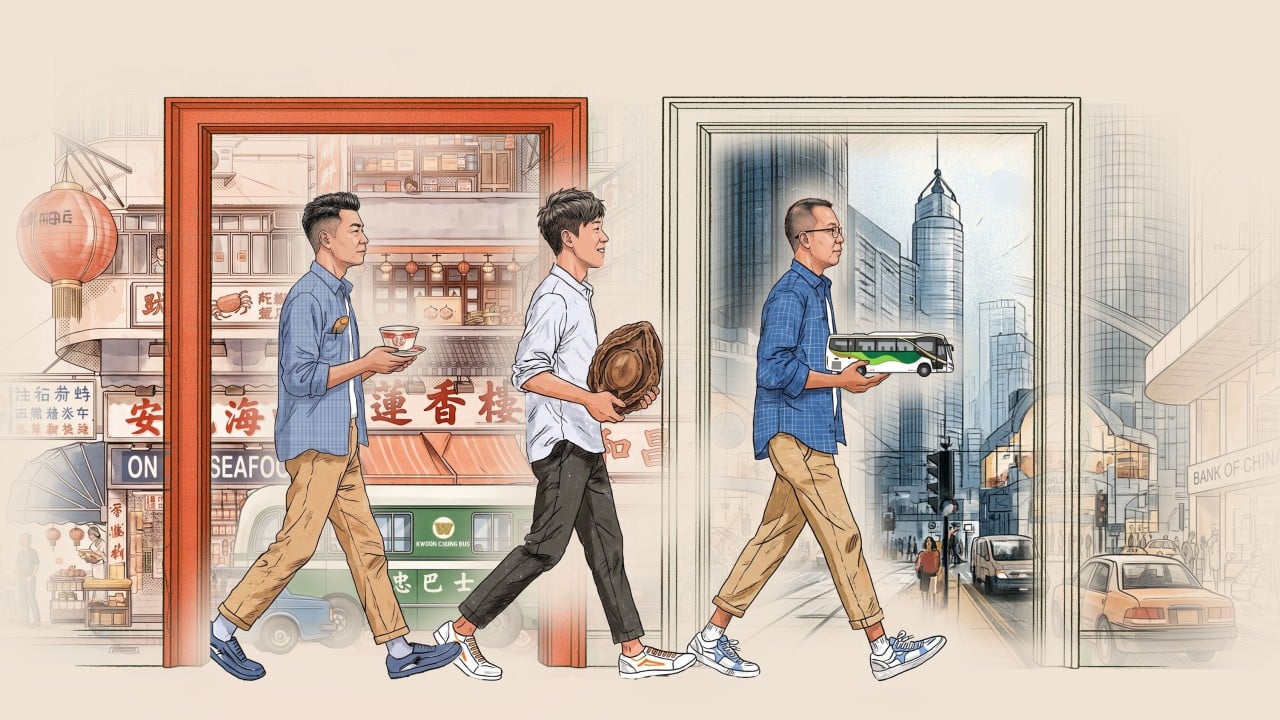
Long-established Hong Kong businesses are adapting to changing consumer habits through new experiences, ready-to-eat products, rebuilt systems and revised marketing. A traditional dim sum restaurant has hosted football screenings and music events, while a dried-seafood business has developed convenient products for younger customers.
Long-established Hong Kong businesses are adapting to changing customer habits by adding new experiences and convenient products while retaining their traditional identities. Lin Heung Lau, a century-old dim sum restaurant, extended its hours during the World Cup and attracted younger customers by screening matches. It has also hosted “dim sum raves” combining tea-infused cocktails, electronic music and traditional food.
Chairman Rocky Wong said the aim was not only immediate profit but also brand-building and the creation of new customer channels. Since management was revamped in 2024, the business has opened or substantially redeveloped five outlets. Wong said established companies could no longer simply open their doors and assume customers would arrive.
The restaurant has retained handmade dim sum and its traditional atmosphere while adding features intended to attract middle-aged customers, young people and children. At On Kee Dry Seafood, founded in the 1930s, the transformation has been less visible. The family business has developed ready-to-eat and frozen products, including mouth-sized abalone snacks, soups and desserts.
Family-business scholar Winnie Peng said not every old company needed rapid or radical innovation. Some could adapt gradually while preserving their traditions, depending on the markets and circumstances they faced.
This independently written report is based on information supplied by the named publisher. Vertrix News has not independently verified the source report.