Hong Kong weighs trained foreign carers to meet growing elderly-care needs
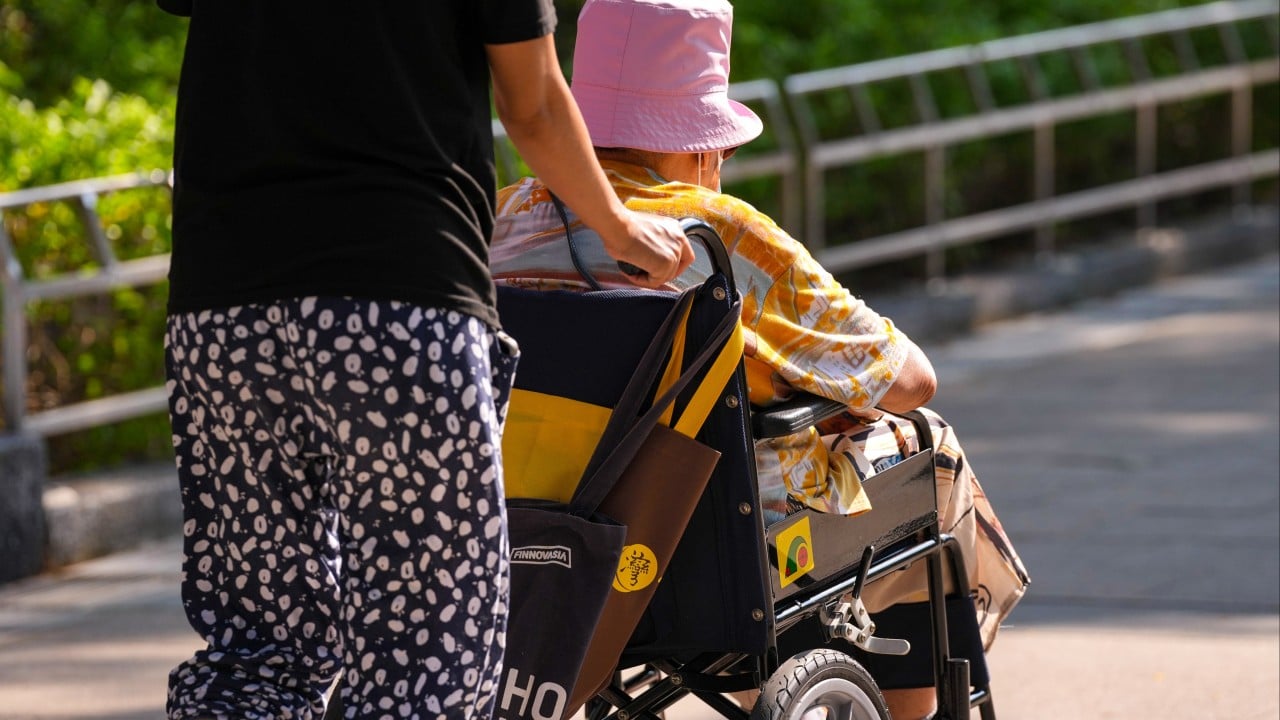
Hong Kong plans a pilot scheme allowing specially trained domestic helpers with relevant experience to care for elderly people at home. Qualified carers could earn 10 to 20 per cent above the standard helper salary, but employers and existing workers have raised concerns about pay, eligibility and the effect on the current labour market.
Hong Kong plans to introduce a pilot scheme allowing specially trained foreign domestic helpers to care for elderly people at home, as the city faces an ageing population and a shortage of suitably trained carers. Under the proposal outlined by the government, carers with an appropriate certificate and three years of relevant experience could receive 10 to 20 per cent more than the normal domestic-helper salary. The current minimum wage for domestic workers is HK$5,100, or about US$650, a month.
The government also plans to strengthen training schemes for domestic helpers working with elderly people and people with disabilities. Officials have said more details will be considered before implementation next year. The proposal has prompted concern among both employers and workers.
Domestic helpers already caring for elderly people say they should qualify for higher pay because they are performing the work. Some employers fear a rise in wages could make it more difficult to afford a helper. Betty Yung Ma Shan-yee, chairwoman of the Hong Kong Employers of Domestic Helpers Association, estimated that 30 per cent of the city’s 378,000 helpers already included elderly care among their duties.
Some employers already pay more than the minimum to reflect extra responsibilities or retain experienced workers. The scheme would require incoming carers to provide evidence of advanced training and previous relevant experience in their home countries. That requirement means an immediate departure of existing helpers to seek formal qualification is considered unlikely in the supplied analysis.
The proposal could create a new career option for young women in major source countries, principally the Philippines and Indonesia, if they obtain training and experience before becoming eligible for domestic work in Hong Kong. The scheme is expected to place modest upward pressure on pay while gradually adding trained carers to the home-care workforce. The supplied material also suggests that, if it works well, the arrangement could later be extended to elderly-care homes.
This independently written report is based on information supplied by the named publisher. Vertrix News has not independently verified the source report.