Hormuz fertiliser disruption could trigger delayed Southeast Asia food crisis
International Chamber of Commerce Secretary General John Denton has warned that fertiliser shortages linked to disruption in the Strait of Hormuz could eventually threaten food supplies in Southeast Asia. He urged ASEAN states not to impose export controls and called for a UN-backed agreement to keep the trade route open.
Southeast Asia could face a delayed food crisis if disruption in the Strait of Hormuz restricts fertiliser supplies, International Chamber of Commerce Secretary General John Denton has warned. Speaking at the Future of Trade Forum in Singapore on Wednesday, Denton urged Singapore, which will chair ASEAN in 2027, to make the issue a priority. He described the risk as a “sleeper issue” because the effects on crops would not be immediate.
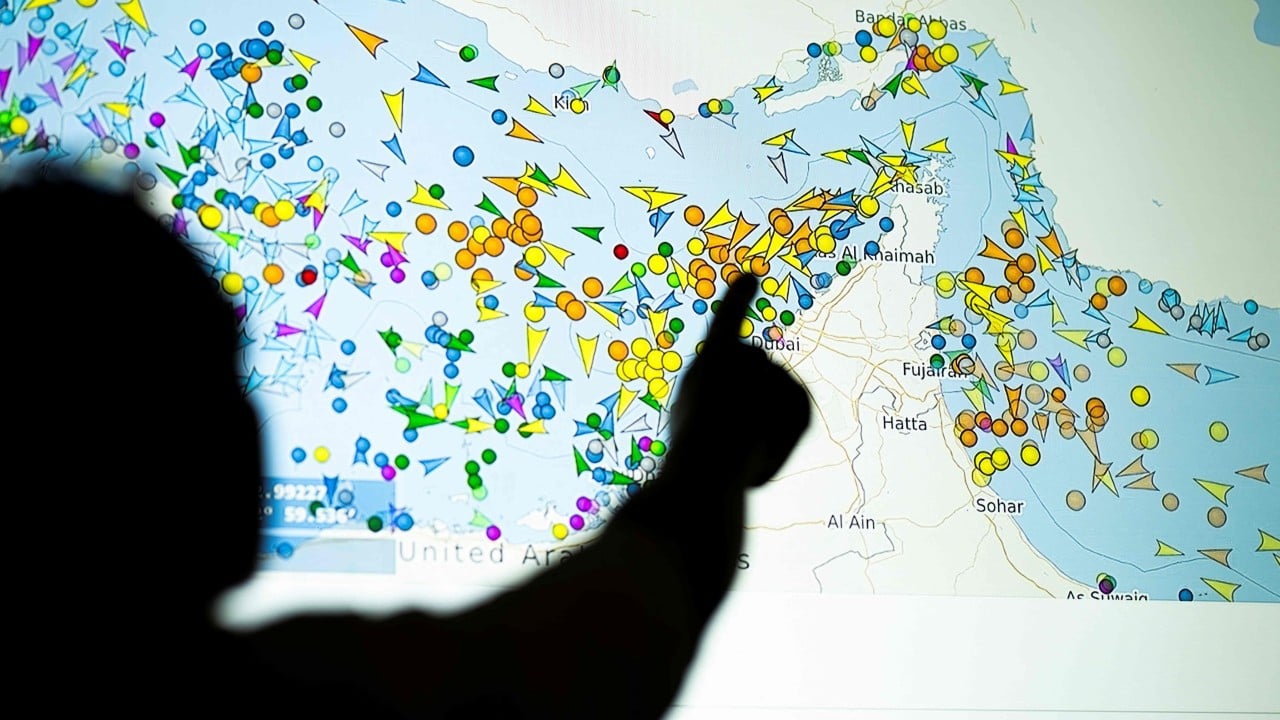
Many ASEAN countries, including Thailand, the Philippines, Cambodia and Myanmar, rely heavily on imported phosphate, potash and nitrogen fertilisers. About one-third of global seaborne fertiliser trade passes through the Strait of Hormuz, according to the report. The ongoing Gulf conflict has disrupted shipping routes, creating supply bottlenecks and driving up prices.
Denton said it could take 12 months for reduced fertiliser access to affect crops, with the impact potentially worsened by El Nino. He compared the proposed response with the UN-backed Black Sea Grain Initiative, which allowed grain exports during the Russia-Ukraine war. Under a UN-led task force on Hormuz, the ICC is involved in efforts to establish a similar arrangement, but the United States and Iran have not approved the plan.
Denton urged ASEAN governments not to introduce export controls. He said some economies had restricted fertiliser movements to protect domestic supplies, but argued that such measures distorted markets and increased prices. Singapore Trade Relations Minister Grace Fu said the country’s ASEAN chairmanship would aim to deepen integration, strengthen the region’s ability to respond to change and expand partnerships.
She described Singapore as a trusted anchor in an uncertain environment. Fu said Singapore’s port had been busy as disruptions forced countries to divert cargo and reorganise logistics. Denton said ASEAN should press the United Nations to act and support measures that would avert hunger in developing and emerging economies.
The supplied material said the United States and Iran understood the proposed mechanism but had yet to agree.
This independently written report is based on information supplied by the named publisher. Vertrix News has not independently verified the source report.