India considers restricting high-fat, salty and sugary food sales near schools
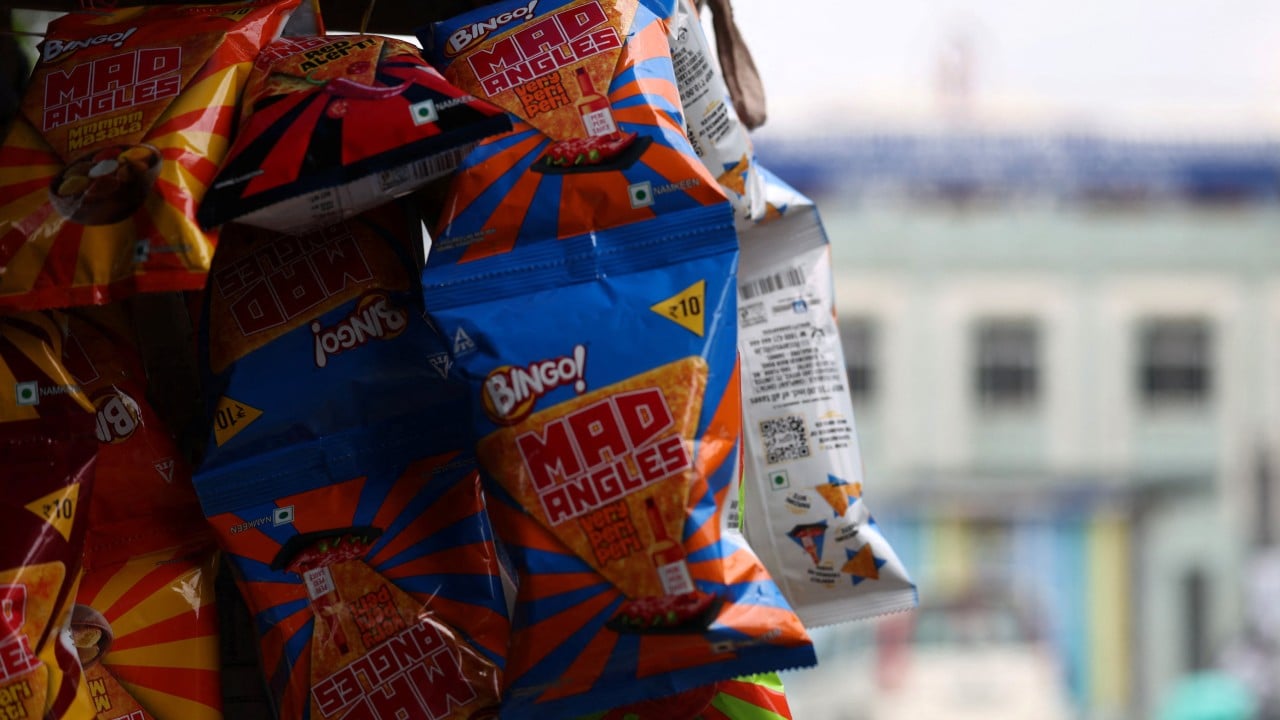
India is moving towards proposed restrictions on sales of food high in fat, salt and sugar within 50 metres of schools as childhood obesity rises. Health experts support stronger action but say limits around school gates alone will not be enough without healthier food, physical activity, affordability measures and effective enforcement.
India is moving closer to restricting sales of food high in fat, salt and sugar within 50 metres of schools as authorities seek to address rising childhood obesity. The proposed rules could affect family-run shops, restaurants and food stalls near the country’s roughly 1.5 million schools. Authorities are also considering warning labels for products with high levels of fat, salt and sugar.
The World Obesity Federation estimates that the number of overweight or obese Indians aged five to 19 rose from 28 million in 2015 to 41 million in 2025. It projects the figure could reach 56 million by 2040. Shivanjali Singh, a mother in Noida, welcomed the proposal but questioned whether it would be effective.
She said unhealthy food was widely available not only around schools but also at sports events and near homes. Public-health policy expert Bobby John said the measure was sensible but insufficient. He said policies should also promote nutritious food in schools and encourage physical activity, including walking or cycling.
Health economist Amir Ullah Khan said urbanisation had increased demand for cheap, convenient foods such as pizzas, burgers and sugary packaged drinks. He suggested taxes on unhealthy products, while noting that rising prices for vegetables, fruit and milk reduced the incentive to choose healthier food. Other experts questioned enforcement.
Saleema Razvi said authorities would need to assess whether the cost of policing a sales restriction would be justified. She argued that lasting change required healthy behaviour, school initiatives and parental involvement, alongside measures addressing sedentary lifestyles and access to nutritious food.
This independently written report is based on information supplied by the named publisher. Vertrix News has not independently verified the source report.