India’s top court allows limited use of redesigned joined crackers
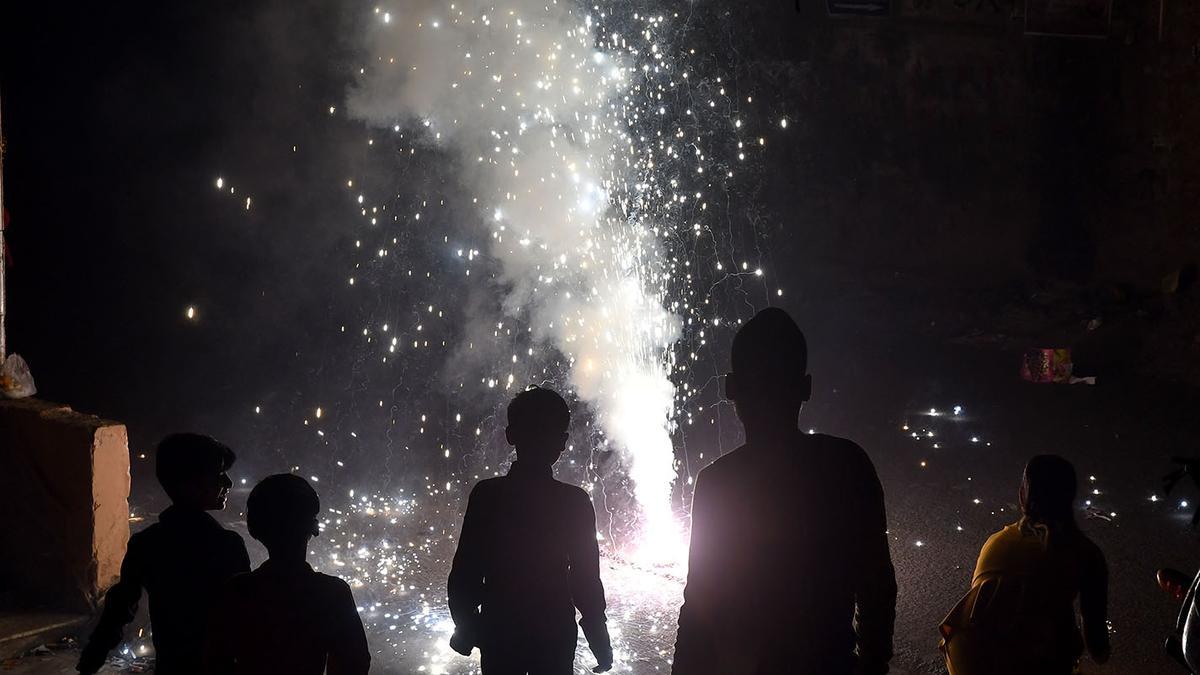
India’s Supreme Court has rejected a nationwide firecracker ban but allowed a limited and conditional relaxation for redesigned joined crackers that meet specified noise, emissions and safety standards. The products are intended to reduce particulate pollution, though reported reductions remain laboratory estimates and further testing is pending.
India’s Supreme Court has rejected a nationwide ban on firecrackers while allowing a limited and conditional relaxation for redesigned joined crackers ahead of Diwali. The products must meet noise, emissions and safety requirements set out in the court’s order. The ruling followed a recommendation from the Council of Scientific and Industrial Research’s National Environmental Engineering Research Institute, or CSIR-NEERI.
The court said it would not permit fireworks throughout a 24-hour period and would consider fixed time windows. The redesigned products are described as next-generation green crackers, although NEERI scientists have called them “reduced emission fireworks”. Their chemistry uses additives including zeolite, water-releasing compounds and metallic composites intended to improve combustion and suppress dust.
NEERI says earlier green crackers reduced particulate matter by 30 per cent. Its newer analysis estimates that Gen-2 variants could reduce PM10 and PM2.5 pollution by 45 to 60 per cent, partly through formulations containing less barium. The report notes that these are laboratory figures and have not been verified in real-world conditions.
The court’s permission applies to a specific joined cracker, in which a string of crackers bursts in sequence. NEERI says the redesigned version bursts five braids a second instead of 25, extending the burn time fivefold. Smaller shells have reportedly reduced solid waste by between 4 and 32 per cent.
Noise must remain within 125 dB(AI)/145 dB(C) peak, and barium-based ingredients are restricted. Only manufacturers licensed by the Petroleum and Explosives Safety Organisation can register products with NEERI. Scientific and regulatory work is continuing.
NEERI is modelling how barium from Gen-2 crackers disperses in Bhopal, Delhi, Kolkata and Chennai, with results expected by October 15. The Central Pollution Control Board and the Centre have also been given more time for barium and decibel tests. The issue is particularly significant in Delhi-NCR, where winter conditions can trap pollutants and firecrackers may add to smog.
This independently written report is based on information supplied by the named publisher. Vertrix News has not independently verified the source report.