Iran proposes seven-day plan to reopen Strait of Hormuz
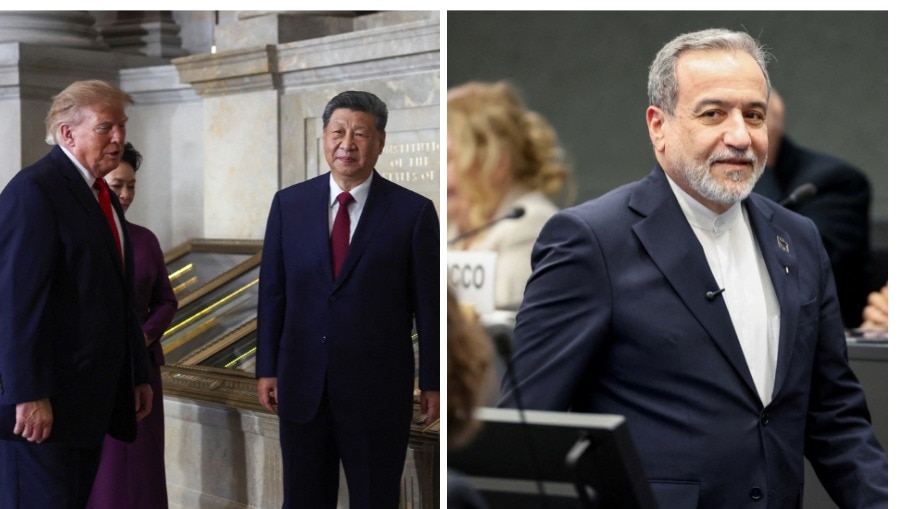
Iran has offered a seven-day arrangement to reopen the Strait of Hormuz and halt regional hostilities in exchange for sanctions relief and other concessions, Foreign Minister Abbas Araghchi said. The proposal emerged as Donald Trump and Xi Jinping discussed the conflict and concerns grew over disrupted energy shipments.
Iran has proposed a seven-day plan to reopen the Strait of Hormuz and halt hostilities across the region, Foreign Minister Abbas Araghchi said on Friday. Araghchi said Tehran had sent the proposal to Washington through Qatar and that the period would begin if the United States accepted the plan. He said normal maritime passage could resume within seven days if the necessary conditions were met.
Under the proposal, Iran would reopen the strategically important waterway and stop hostilities, including in Lebanon. In return, Tehran is seeking the lifting of a US blockade on Iranian ports, the release of frozen Iranian funds and the waiver of oil sanctions. A US official said Washington was involved in positive and constructive discussions through mediators, adding that nuclear issues remained part of the talks.
A senior Iranian official, however, said Tehran would not compromise on its nuclear programme or give up what it regards as its rights, including uranium enrichment. The diplomatic initiative coincided with discussions between US President Donald Trump and Chinese President Xi Jinping about the Middle East war. China, which relies heavily on Middle Eastern oil, has a strong interest in restoring energy flows through the strait.
China’s state news agency reported that Xi urged Washington and Tehran to return to a June framework that had produced a brief ceasefire and resume negotiations. Trump warned Xi against supporting Iran, while US Ambassador to China David Perdue said Beijing had assured Washington it was not assisting Tehran. The conflict has disrupted oil shipments and spread across the region.
Saudi, Turkish and Pakistani defence officials also met in Riyadh to discuss intelligence sharing, military coordination and stronger defence integration. UNICEF said acute malnutrition among children in Yemen was rising amid continuing violence. The source material says the war began with US and Israeli strikes on Iran on February 28 and has included attacks by Iran and allied groups across the region.
This independently written report is based on information supplied by the named publisher. Vertrix News has not independently verified the source report.