Jay Clayton takes charge of Trump’s new AI policy initiative
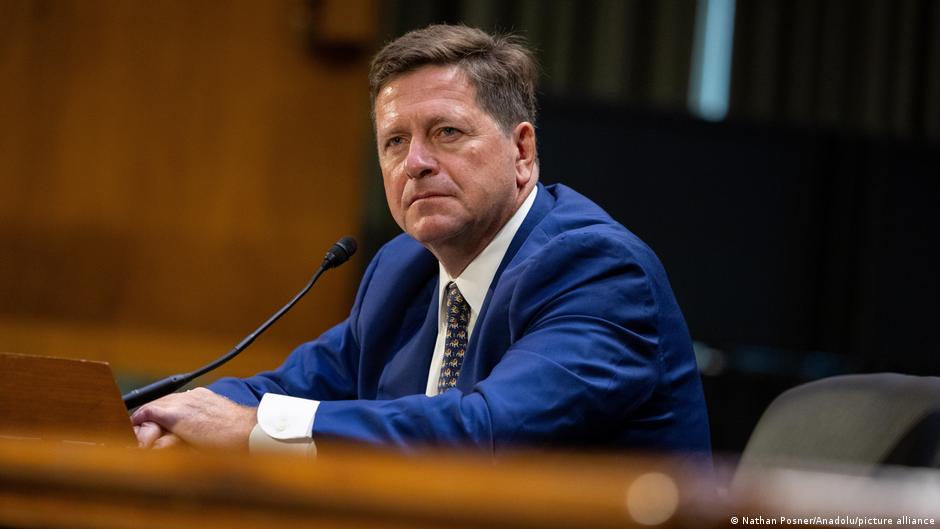
Donald Trump has formally appointed National Intelligence Director Jay Clayton to lead a new White House initiative on artificial intelligence, ending uncertainty over a role previously held by David Sacks. The administration has supplied more detail on the taskforce’s membership and remit, but questions remain about its powers and Clayton’s long-term responsibilities.
US President Donald Trump has appointed National Intelligence Director Jay Clayton to lead a new White House taskforce on artificial intelligence, confirming a change in leadership for an administration initiative previously associated with venture capitalist David Sacks. The appointment was announced on Sunday as part of the creation of the “Super Intelligence Force”, or SI. Trump said the body would coordinate federal engagement with consumers, public-interest groups, religious organisations, critical infrastructure providers and companies developing advanced systems.
DW reported that Clayton will work with Federal Trade Commission Chairman Andrew Ferguson, Pentagon technology official Emil Michael and Office of Personnel Management Director Scott Kupor. India Today said the taskforce would also include Vice President JD Vance, Defense Secretary Pete Hegseth, Treasury Secretary Scott Bessent and White House Chief of Staff Susie Wiles. Sacks and former Secretary of State Condoleezza Rice were named as outside advisers.
The force is expected to produce a report within 120 days on AI’s opportunities and dangers. Its remit includes reviewing risks, examining how breaches and hacks are reported, and recommending ways to improve the federal response using existing powers. It will report to Trump and Wiles.
The supplied reports do not describe new legislation, dedicated funding or a formal relationship with agencies already working on AI policy. The appointment follows earlier uncertainty over the role. The South China Morning Post had reported that Clayton was expected to become Trump’s top AI adviser, citing a source familiar with the decision.
A White House official at the time said that any personnel announcement would come directly from Trump and called earlier reporting “baseless speculation”. NDTV described Clayton’s appointment as the succession of Sacks, who held the informal AI czar title at the start of Trump’s second term before leaving the White House. The reports are not entirely identical on Clayton’s responsibilities.
SCMP said he was expected to retain his post overseeing 18 US intelligence agencies, while the available NDTV material said it was unclear whether he would remain national intelligence director. The formal announcement establishes his leadership of the taskforce but does not resolve every question about how the two jobs will be balanced. Trump has opposed strict regulation that he believes could slow growth and reduce US competitiveness against China.
DW said the president had previously told technology leaders that the industry should rely on “tremendous self-regulation”. A voluntary accord signed by major firms after a White House meeting was described as symbolic because it did not constitute an official order. At the same time, researchers and technology executives have raised concerns about potentially catastrophic risks from advanced systems.
Anthropic chief executive Dario Amodei has called for a global slowdown in development, while OpenAI chief executive Sam Altman has argued that the benefits of AI justify accepting some risks. The new taskforce therefore begins work amid a policy tension that the supplied reports leave unresolved: promoting rapid US leadership while deciding how far the government should go in supervising safety.
Vertrix News compared the attributed reports listed below and wrote this independent synthesis. Claims remain attributed where independent verification was unavailable.