Nepal flood survivors face precarious shelter and maternity risks
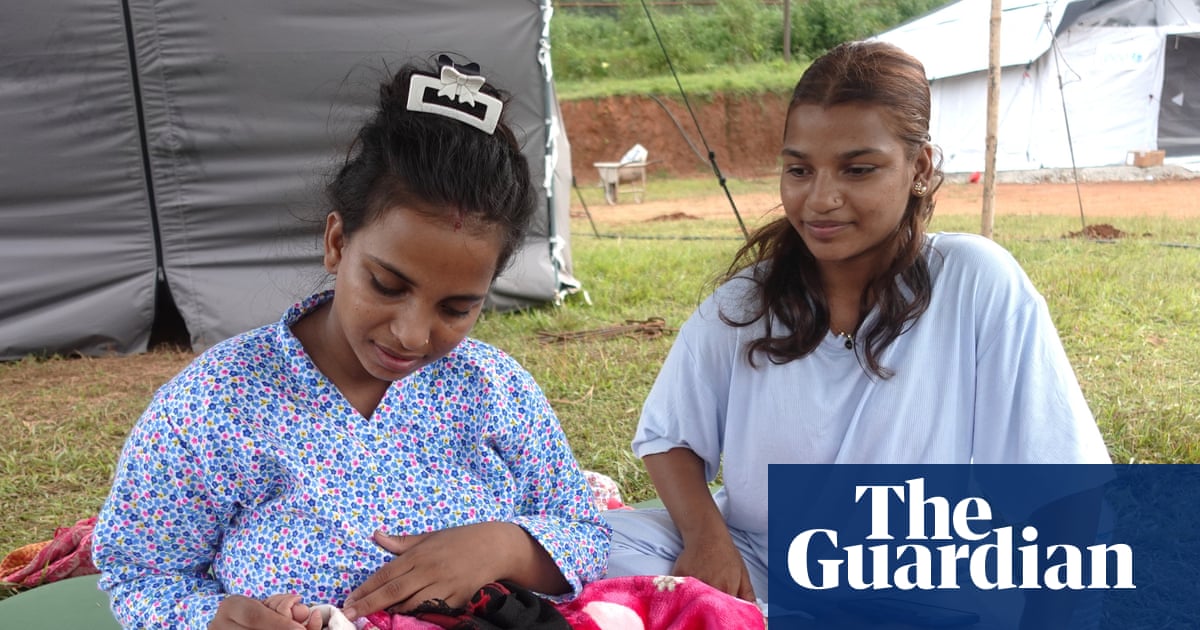
Survivors of catastrophic flash floods in Nepal are living in temporary shelters weeks after a glacier collapse triggered flooding across the Himalayan border region. More than 1,400 people have died and 5,700 are missing, while thousands of pregnant women face disrupted access to healthcare and unsafe living conditions.
Women and children displaced by catastrophic flash floods in Nepal are living in temporary shelters weeks after a glacier collapse triggered flooding across the Himalayan border region. Pooja Pariyal spent three days on the roof of Trishuli hospital with her three-month-old daughter before an army helicopter rescued about 50 patients, including five newborns, and medical staff. She is now sharing a site in Bidur with about 125 people in 25 tents.
The flood destroyed much of the town after water, mud and debris surged along the Bhotekoshi River. Pariyal’s baby was diagnosed with pneumonia after the rescue. She said hunger and the lack of basic facilities had reduced her milk supply and made it difficult to care for her daughter.
More than 1,400 people have died, more than 5,700 are missing and more than 80,000 still need humanitarian assistance, according to the latest UNICEF assessment cited in the material. Landslides and further local flooding have continued. The UN Population Fund estimates that 5,030 pregnant women are among those affected.
About 750 are thought to have complications, while 550 are due to give birth the following month in areas where hospitals are difficult to reach. Kalpana Nepali, seven months pregnant, was rescued by helicopter after being swept from her home. She now shares a hall with about 80 displaced people and does not know whether the doctor who had been treating her survived.
Pregnant women are being assigned to functioning health centres according to their estimated delivery dates. Those with high-risk pregnancies are due to be airlifted to Kathmandu before delivery. UN officials have warned of increased risks of trauma, shock and postnatal depression.
This independently written report is based on information supplied by the named publisher. Vertrix News has not independently verified the source report.