Norwegian parliament questions ministers over Epstein-linked diplomatic ties
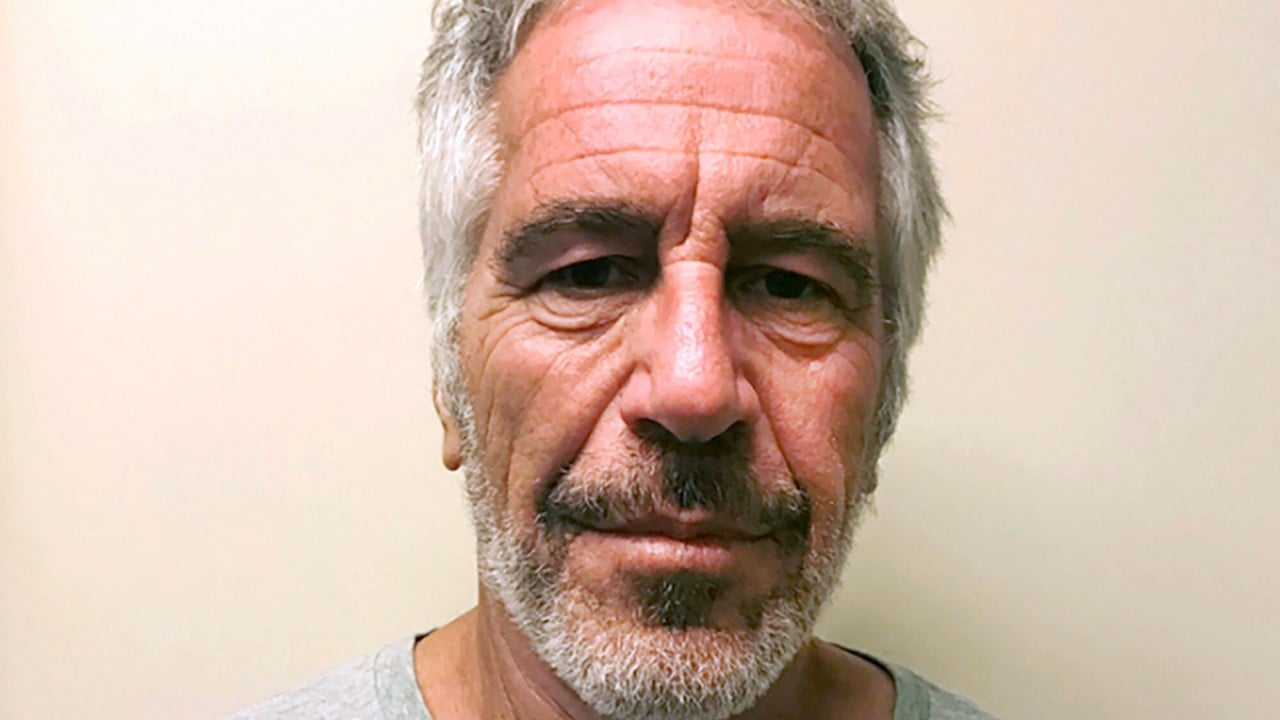
Norway’s parliament has begun questioning current and former ministers about diplomatic practices and public funding following revelations concerning ties between Jeffrey Epstein and senior Norwegian officials. The hearings will not impose sanctions, while a separate inquiry is examining the wider case and is due to report by January 2028.
Norway’s parliament has begun hearings involving current and former ministers over diplomatic practices and ties between senior Norwegian officials and Jeffrey Epstein. The hearings follow revelations concerning the late US financier and convicted sex offender’s connections with Norwegian figures. They also examine more than 130 million kroner paid by Norway’s foreign ministry to the International Peace Institute between 1997 and 2018.
The institute was headed from 2005 to 2020 by Norwegian diplomat Terje Rod-Larsen. The Epstein documents have highlighted links between Epstein, Rod-Larsen and Rod-Larsen’s wife, diplomat Mona Juul. The couple helped shape the 1993 Oslo Accords and are now under investigation in Norway.
Juul faces an investigation for aggravated corruption, while Rod-Larsen is being investigated for suspected complicity in aggravated corruption. Both deny wrongdoing. Eleven people who have served as foreign minister or development aid minister since 2005 are due to appear before the Storting’s standing committee on scrutiny and constitutional affairs.
Those summoned include current Prime Minister Jonas Gahr Store and former foreign minister Borge Brende. The documents have also raised questions about former prime minister, foreign minister and Council of Europe secretary general Thorbjorn Jagland. Jagland is under investigation on suspicion of aggravated corruption but was not summoned, partly because he served as foreign minister before 2005.
Committee member Jonas Andersen Sayed said the material raised questions about abuse of office, accountability and the management of development aid. He said the issue affected public trust and that facts, responsibility and necessary reforms should be established. The parliamentary hearings will not themselves lead to sanctions.
Parliament has separately established an independent inquiry with a broader remit. That inquiry is expected to submit its final report by January 31, 2028. The parliamentary process therefore represents scrutiny of government and diplomatic practices, while the separate investigation is intended to examine the wider circumstances surrounding the links and public funding.
This independently written report is based on information supplied by the named publisher. Vertrix News has not independently verified the source report.