Pakistan’s retaliatory strikes have not ended militant violence, analysts say
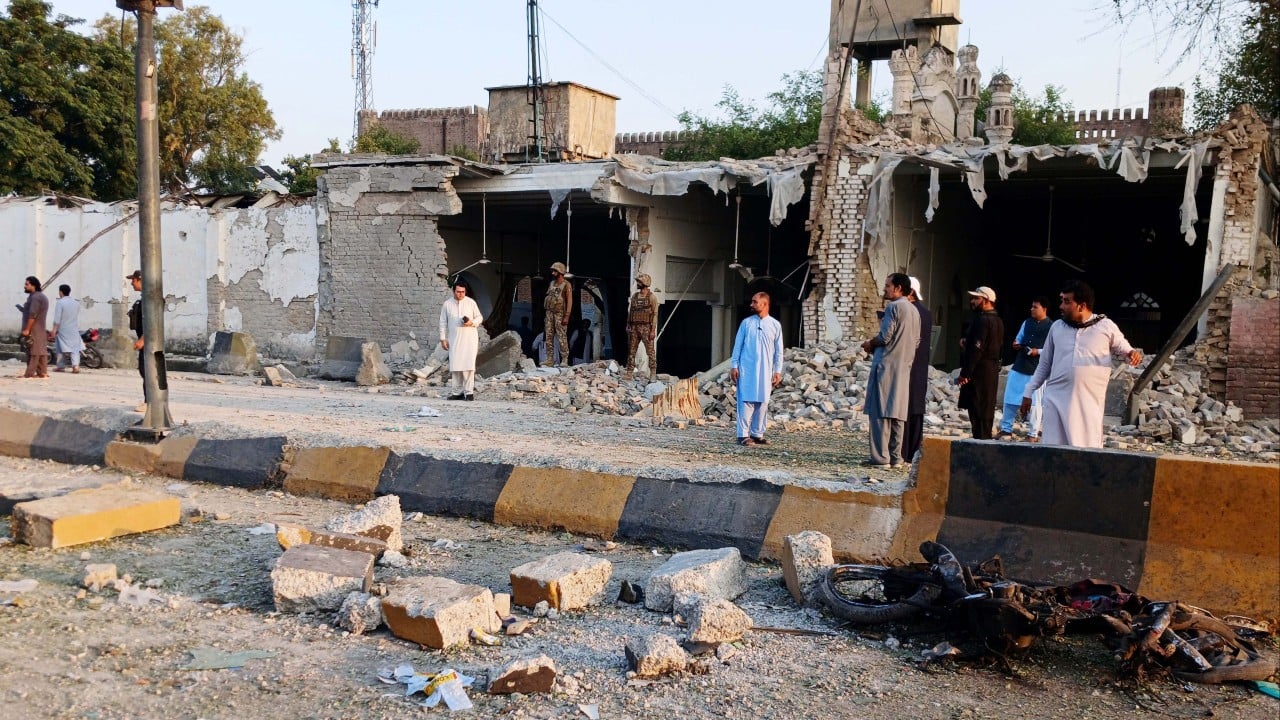
Pakistan’s repeated military operations and cross-border strikes against militants have failed to break a long-running cycle of violence in Khyber Pakhtunkhwa and Balochistan, analysts told the South China Morning Post. Recent attacks, air strikes and drone incidents have intensified tensions with Afghanistan, while experts call for political engagement and a broader counterinsurgency strategy.
Pakistan’s repeated counterterrorism operations have not stopped militant violence in its western provinces, with analysts warning that military force alone cannot resolve the conflict, the South China Morning Post reported. Khyber Pakhtunkhwa and Balochistan continue to experience frequent attacks on soldiers, police, officials and other prominent figures. Militants have used roadside bombs, drones, ambushes, suicide attacks, raids, assassinations and kidnappings to challenge state authority.
Pakistan’s military regularly announces the killing of large numbers of militants during operations. Analysts cited by the report said those tactical successes had not produced the strategic result Islamabad wanted. Farwa Aamer of the Asia Society Policy Institute said force would continue to meet force unless it was accompanied by a political solution and dialogue.
Tensions with Afghanistan have added a cross-border dimension. Pakistan said its military jets recently struck Tehreek-i-Taliban Pakistan camps and safe havens in Afghanistan’s Paktika and Kunar provinces, killing 28 militants. Afghanistan’s Taliban authorities denied that terrorist camps existed and said the strikes killed three civilians.
The escalation followed an attack on a mosque at a police compound in Kohat that killed at least 31 people and injured more than 100, according to the report. Pakistani officials later said eight drones entered Pakistani airspace from Afghanistan and were shot down. Pakistan then announced strikes on 10 Afghan locations allegedly used to launch or store the drones.
Efforts involving China, Turkey and Qatar have not produced a breakthrough. Analysts said talks failed to secure Kabul’s agreement to stop TTP attacks or move militants away from the border. They also cited poor governance, local grievances, weak provincial security forces and limited intelligence as obstacles.
The report warned that cooperation between the TTP and Baloch separatist groups could make the conflict more difficult to contain.
This independently written report is based on information supplied by the named publisher. Vertrix News has not independently verified the source report.