Saudi-led defence pact faces first test as Houthi attacks intensify
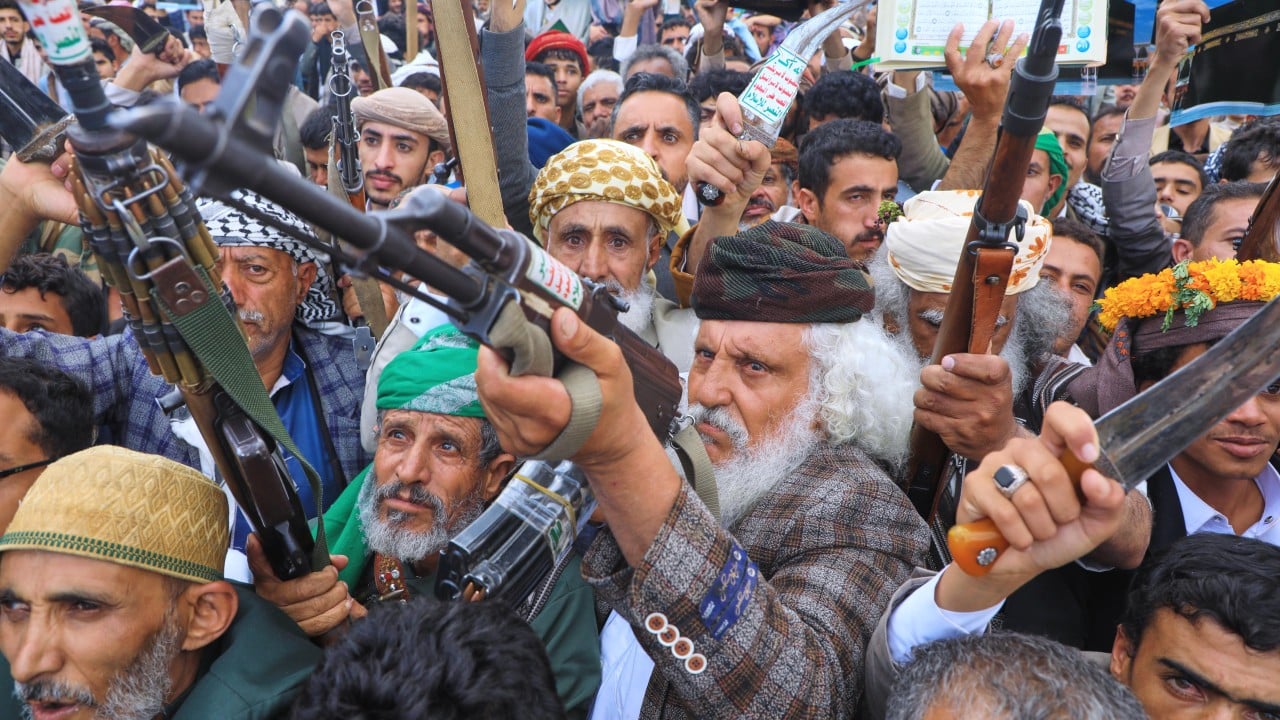
Houthi attacks on Saudi energy and military targets have prompted a meeting of the new defence arrangement linking Saudi Arabia, Pakistan and Turkey. The allies reaffirmed collective defence, but the pact does not define when military intervention is required, leaving its practical response uncertain, Chinese analysts said.
Houthi attacks on Saudi Arabia’s energy infrastructure and military sites are testing the limits of a mutual defence agreement signed by Saudi Arabia, Pakistan and Turkey a month ago. Military chiefs from the three countries met in Riyadh on Friday under the Mecca Joint Defence Agreement and reaffirmed their commitment to collective defence, according to the Saudi Press Agency. The meeting addressed intelligence cooperation, military coordination and the integration of capabilities.
The agency did not specify what military assistance Pakistan and Turkey might provide. Under the agreement, an armed attack on one member is treated as an attack on all three, but the pact does not set out the circumstances requiring intervention or the form that assistance should take. Iran-backed Houthi militants have seized Yemen’s Red Sea coast from Saudi-backed government forces and taken effective control of the Bab el-Mandeb Strait, according to the supplied material.
Saudi Arabia has responded with air strikes, while the Houthis have used drones and missiles against targets in Saudi territory. Zhang Chuchu of Fudan University described the attacks as the pact’s first test. She said Pakistan and Turkey were unlikely to intervene directly in Yemen, warning that failure to respond to a major threat could weaken the agreement’s deterrent effect.
Friday’s meeting, she said, was intended to give the pact a more concrete structure. Possible steps include a joint secretariat, working groups, deeper intelligence sharing and cooperation on air defence and maritime security. Zhang said these measures would not necessarily mean direct intervention in the conflict.
Li Weijian of the Shanghai Institutes for International Studies said the agreement’s symbolic significance currently exceeded its practical significance. He said Turkey and Pakistan might offer political, intelligence or defensive support while encouraging negotiations. China has backed greater regional responsibility for security and opposed a wider conflict.
The supplied material says Beijing has urged Iran to help restrain the Houthis and has called for a political settlement and a new regional security architecture.
This independently written report is based on information supplied by the named publisher. Vertrix News has not independently verified the source report.