Seoul says major US investment projects still require further talks
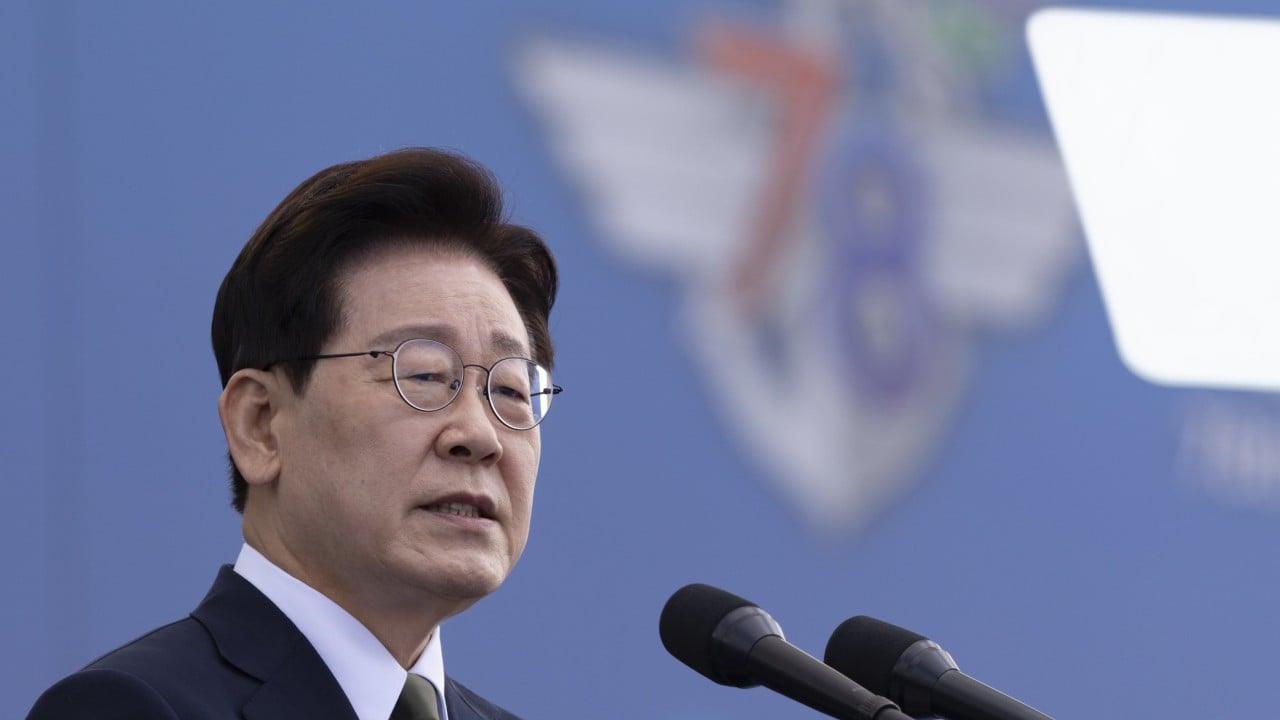
South Korean President Lee Jae Myung has pushed back against President Donald Trump’s presentation of a large South Korean investment package in the United States as settled. Seoul says only a Texas power project is finalised, while Alaska LNG and eight nuclear plants remain subject to commercial and legal reviews.
South Korea has clarified that several projects included in a major investment package announced by US President Donald Trump have not yet been finalised. Trump said on Wednesday that South Korea would invest in a Texas natural-gas power plant, eight large nuclear power plants in the United States and an LNG project in Alaska. He described the proposals as a “colossal package” and linked them to Seoul’s broader commitment to invest $350 billion in the US in return for lower tariffs on South Korean goods.
South Korean President Lee Jae Myung said only the Texas project had been agreed. He said work on the Alaska LNG proposal could begin only after its commercial viability had been established and South Korea’s legal procedures had been met. A joint statement from the two governments used similar language, saying the sides had agreed to commence work on the Alaska project subject to commercial reasonableness and applicable domestic legal requirements.
South Korea’s industry minister had previously said the proposal remained under review. Lee also said the commercial viability of each proposed nuclear plant should be assessed separately. This appeared to differ from Washington’s presentation of the projects as part of a broader investment package.
The joint statement described the nuclear proposal as a framework for comprehensive cooperation. The disagreement follows negotiations over a reported $200 billion investment vehicle. Under the arrangement described in the source material, profits would initially be shared equally until South Korea recovered its principal and interest.
The details of how risks, returns and projects would be assessed across the portfolio remain unresolved. Sogang University professor Hur Jung described Lee’s intervention as a response to Washington’s unilateral announcement. Hur said both leaders had domestic political reasons to project firmness, but judged that a breakdown was unlikely because of the strategic importance of the alliance.
Another Sogang professor, Kim Jae-chun, said Lee was defending South Korean interests in the negotiations.
This independently written report is based on information supplied by the named publisher. Vertrix News has not independently verified the source report.