Sexist university speech in Hong Kong prompts backlash and debate over gender bias
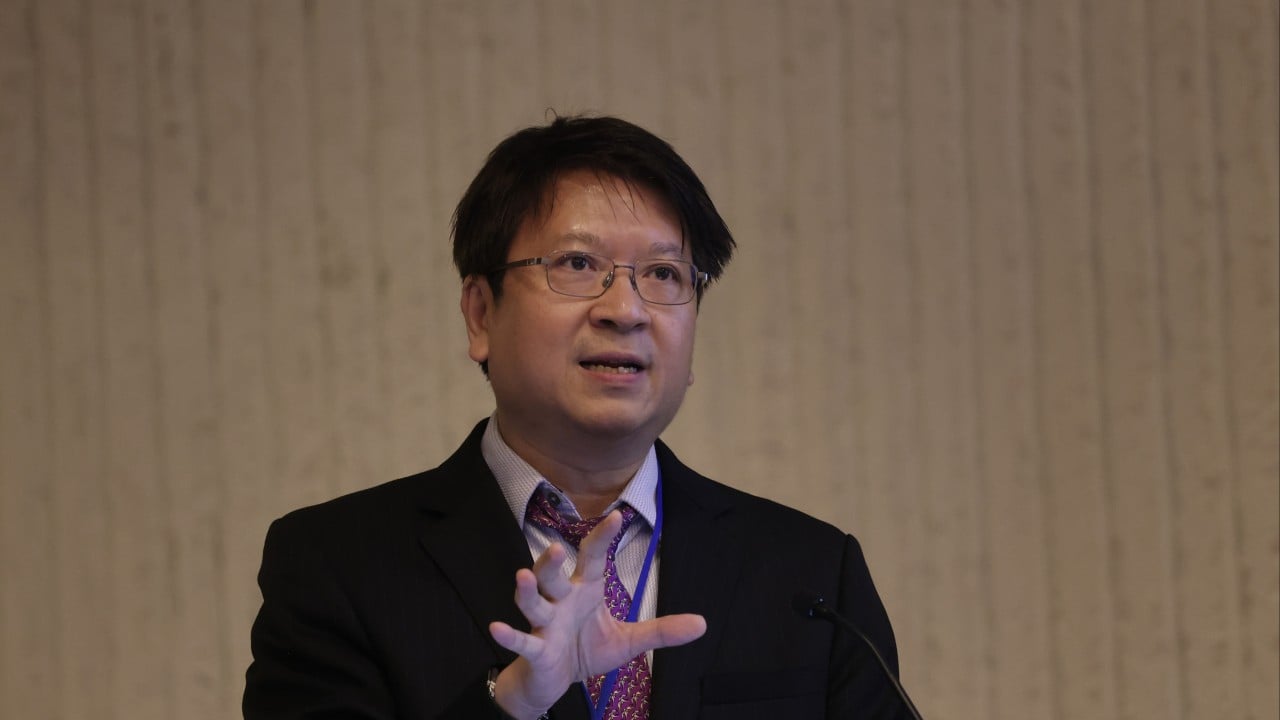
Economist Terence Chong Tai-leung has faced criticism after telling students that women should prioritise appearance and marriage prospects over advanced academic study. The Chinese University of Hong Kong associate professor later apologised in qualified terms, while the university reminded him to consider his language. The episode has renewed debate over gender stereotypes.
A speech by Hong Kong economist Terence Chong Tai-leung has triggered backlash after he advised female students to prioritise their looks and prospects of marrying wealthy men rather than pursuing advanced academic study. Chong, an associate professor at the Chinese University of Hong Kong, made the remarks last week during an address to New Asia College titled “How to invest in your life?” He reportedly told women that pursuing a PhD could come at the expense of their youth. Slides from the presentation, shared on social media by attendees, also stated that boys’ academic ability, grades and ambitions held no attraction for girls who were mature in their thinking.
The remarks drew criticism from students and others who viewed them as reinforcing patriarchal stereotypes. Chong subsequently offered an apology, saying he was sorry if people had felt offended. He said he had not intended to offend or target women and was willing to revise the presentation if some expressions made people uncomfortable.
The Chinese University later sent him a reminder to consider his words. The supplied material did not indicate that the university had announced disciplinary action. The episode has also brought attention to Chong’s book, “The Alchemy of Life”, first published in 2012.
The book reportedly discusses women marrying for money and presents relationships through economic calculations involving wealth and status. The views described in the material have been linked to a broader economic approach that analyses marriage through utility, incentives and market behaviour. Gary Becker’s work on the family is cited as an earlier example of treating marriage in those terms, although such interpretations have been criticised for presenting gender assumptions as neutral norms.
The controversy has prompted students and commentators to challenge the reduction of education, relationships and personal choices to financial returns. The debate also touches on how policymakers should support marriage and childbearing without blaming women who prioritise careers or study.
This independently written report is based on information supplied by the named publisher. Vertrix News has not independently verified the source report.