Singapore’s public-conduct fines revive debate over enforcement in Hong Kong
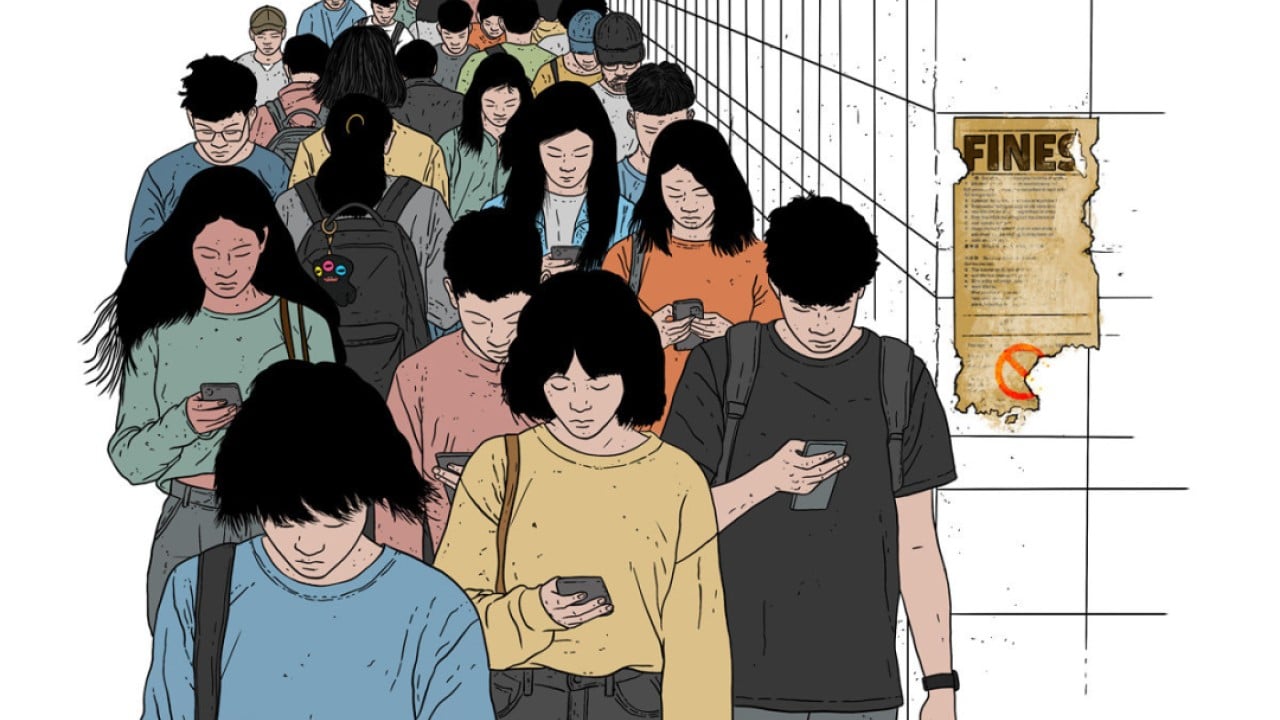
Singapore has begun enforcing fines of up to S$500 for conduct such as loud phone audio, putting feet on seats and littering on buses. A South China Morning Post commentary contrasts this with Hong Kong’s existing but less visibly enforced MTR rules and argues that crowded public spaces require stronger attention to courtesy.
Singapore’s enforcement of new rules against disruptive behaviour on public buses has prompted a comparison with Hong Kong’s existing regulations on its rail network. The Singapore rules allow an immediate fine of up to S$500 for conduct including putting feet on seats, playing loud audio on a phone, eating, drinking and littering. Similar rules already apply on Singapore’s MRT system.
Hong Kong’s MTR by-laws also prohibit several forms of uncivil behaviour. Loud audio, putting feet on seats and ignoring eating or drinking restrictions can attract fines of up to HK$2,000, while profanity and language considered offensive can carry a higher penalty. The commentary argues, however, that many of these provisions are rarely enforced.
It says the distinction between the two cities is not necessarily the existence of rules, but whether authorities and passengers take them seriously. The article presents public liberty as responsible conduct within shared legal and social limits, contrasting it with behaviour that disregards other passengers. The commentary focuses particularly on congestion in Hong Kong, where residents and visitors are concentrated in a limited share of the territory’s land.
It criticises people who stop in crowded walkways to use mobile phones, as well as other behaviour that obstructs movement or increases tensions in busy public areas. It argues that stronger enforcement could be justified in spaces where individual conduct affects large numbers of people. The piece cites former Singapore prime minister Lee Kuan Yew’s defence of intervention in personal behaviour, while acknowledging that such policies would raise objections over personal freedom.
This independently written report is based on information supplied by the named publisher. Vertrix News has not independently verified the source report.