Singapore shows highest Southeast Asian support for nuclear power, survey finds
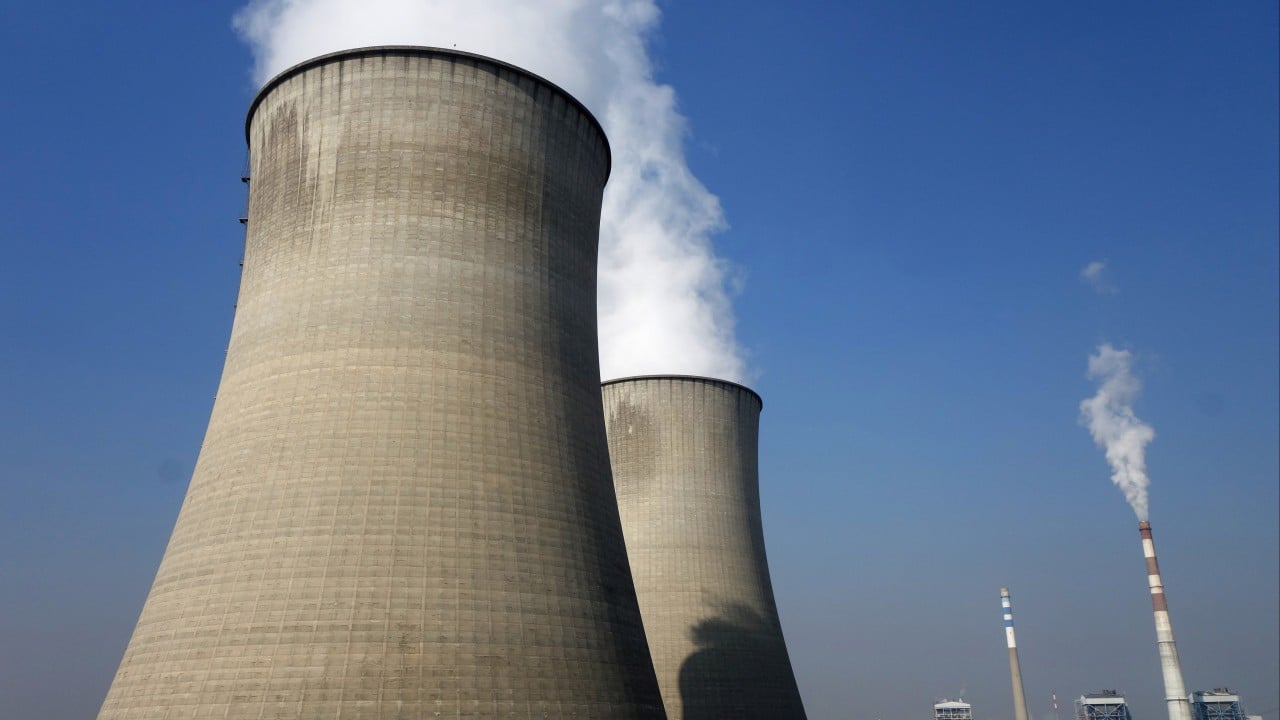
A regional survey found that 31.4% of Singaporeans regard nuclear energy as a clean power source with strong potential, the highest acceptance rate among Southeast Asian respondents. Solar remained the region’s most popular clean-energy choice. Singapore is studying advanced nuclear technologies but has not decided whether to deploy them.
Singapore has recorded the highest public acceptance of nuclear energy in Southeast Asia, with 31.4% of respondents identifying it as a clean power source with significant potential, a regional survey found. The figure was 11.1 percentage points higher than in 2024, according to the Southeast Asia Climate Outlook 2026 Survey. Solar energy remained the most popular clean-energy option across the region.
The study was released by the Climate Change in Southeast Asia Programme at the ISEAS–Yusof Ishak Institute and the Lee Kuan Yew Centre for Innovative Cities at the Singapore University of Technology and Design. Singapore is examining advanced nuclear technologies, including small modular reactors, as part of long-term planning for a net-zero power system. The government has not decided whether to deploy nuclear energy.
Across Southeast Asia, 65% of respondents selected solar among their top two clean-energy sources. Hydropower followed at 33%, while 27.4% selected biofuels. Tan-Soo Jie Sheng, an assistant professor at the National University of Singapore, said Singapore’s relatively high acceptance could reflect its limited domestic options beyond solar.
He said nuclear power could potentially diversify the city state’s energy system and provide low-carbon electricity generated within Singapore. The survey collected responses from 3,706 people across all 11 ASEAN members between June 8 and July 13. It was available in seven languages.
Tan-Soo said nuclear energy also had a regional dimension because a facility in one country could affect neighbouring states. He said ASEAN countries would need to discuss the issue together. The survey found that unemployment and economic recession were the region’s leading concern, at 55.3%, ahead of climate change and extreme weather at 53.6%.
Domestic political instability was selected by 46%. On artificial intelligence and the environment, 47.9% viewed AI as somewhat or clearly beneficial, while 20.2% viewed it negatively. Singapore’s sustainability minister, Grace Fu, called for deeper regional renewable-energy cooperation and clearer rules for cross-border electricity trading.
This independently written report is based on information supplied by the named publisher. Vertrix News has not independently verified the source report.