Southeast Asia welcomes US-China thaw but fears decisions made without it
Analysts say improved relations after the Xi-Trump summit could ease pressure on Southeast Asian governments, reduce trade disruption and lower tensions around regional flashpoints. But unresolved disputes over Taiwan and the South China Sea, alongside concerns about a US-China “G2”, mean governments remain cautious about the durability and consequences of the thaw.
Southeast Asian governments and analysts have welcomed signs of improving US-China relations after the latest Xi-Trump summit, while warning that deeper disputes and regional concerns remain unresolved. Lucio Blanco Pitlo III, a research fellow at the Asia Pacific Pathways to Progress Foundation, said stable relations between the two powers could give third countries more room to manoeuvre. He said this could ease pressure on Association of Southeast Asian Nations (Asean) members to choose sides, slow the fragmentation of supply chains and reduce competition around the Taiwan Strait and South China Sea.
Beijing described Chinese President Xi Jinping’s visit, his second summit with US President Donald Trump in five months, as progress towards a “constructive China-US relationship of strategic stability”. China also highlighted economic engagement, dialogue on artificial intelligence and the need for Washington to handle Taiwan cautiously. Chong Ja Ian, an associate professor at the National University of Singapore, said the tone of the meeting suggested both sides remained interested in stability.
However, analysts cautioned that a sustained thaw could create a different problem if Washington and Beijing made decisions affecting Southeast Asia without meaningful regional participation. Nguyen Khac Giang of Singapore’s ISEAS-Yusof Ishak Institute said improved ties could provide breathing space for economies such as Vietnam, which link Chinese supply chains with American consumers. But he said Southeast Asian countries did not want a “G2” arrangement deciding their interests over their heads.
The summit’s public statements did not explicitly mention the South China Sea. Zhu Junwei of Horizon Insights Centre said the omission appeared intended to avoid public friction, while differences could be managed through consultation. She added that it would not prevent US officials or the American military from speaking about the disputed waters later.
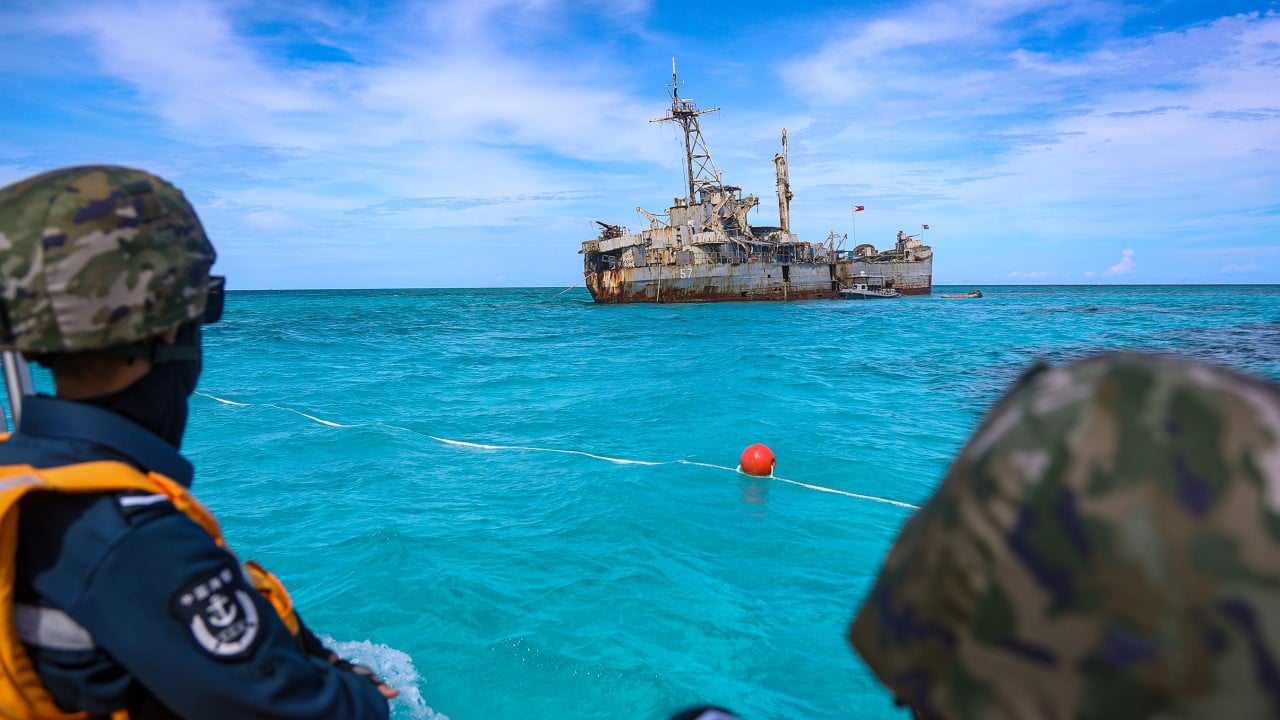
Tensions nevertheless continued. The Philippine Coast Guard accused China of obstructing a resupply mission to Second Thomas Shoal. China’s coast guard said it had lawfully monitored and warned a Philippine vessel delivering supplies to what it called an illegally grounded ship.
The analysts also pointed to Taiwan’s wider regional significance, including the more than one million Asean nationals living and working there. Pitlo said dialogue could help avert a crisis, but warned that any accommodation between Washington and Beijing should not come at the expense of their allies and partners. Trade-truce arrangements may offer businesses short-term relief, although their longer-term effect will depend on implementation.
This independently written report is based on information supplied by the named publisher. Vertrix News has not independently verified the source report.