Swiss glaciers lose 5.5 per cent of ice volume during hot 2026
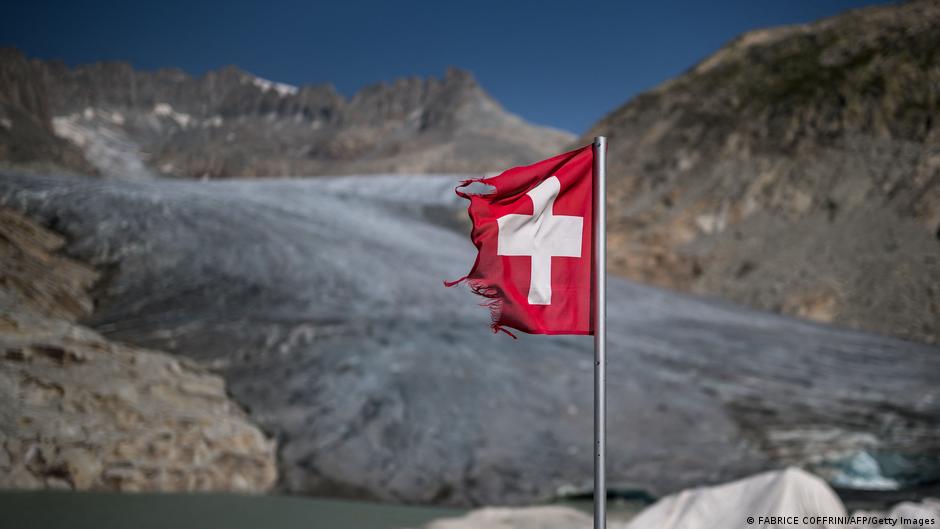
Swiss glaciers lost 5.5 per cent of their ice volume in 2026, the second-largest annual decline on record, according to the GLAMOS monitoring network. Experts attributed the fall to low winter snowfall and high summer temperatures and warned that some glaciers could disappear within 10 to 15 years.
Swiss glaciers lost 5.5 per cent of their ice volume in 2026, marking the second-largest annual decline recorded by the Glacier Monitoring in Switzerland network. Experts said glaciers had lost almost one-fifth of their mass over the past five years. GLAMOS chief Matthias Huss described 2026 as a catastrophic year, citing limited winter snowfall and record summer temperatures in Europe.
Huss said Alpine glaciers had no chance of surviving long term under current conditions. He also said some glaciers could have no ice remaining within 10 or 15 years. The findings raise concerns about the future of Europe’s ice fields and possible threats to water supplies.
The supplied report does not identify particular glaciers or quantify the potential effect on individual communities. Huss attributed the warming being experienced to human-caused climate change, saying that without human emissions or fossil fuels there would be no current warming. The report describes Europe as the world’s fastest-warming continent.
The figures are based on GLAMOS monitoring. The supplied material does not give the total volume of ice lost in tonnes or cubic metres, nor does it provide a regional breakdown of the decline. It does, however, establish that the 2026 loss was exceptionally severe by the network’s historical measurements.
This independently written report is based on information supplied by the named publisher. Vertrix News has not independently verified the source report.