Tinubu rejects calls to restore fuel subsidies as he defends economic reforms
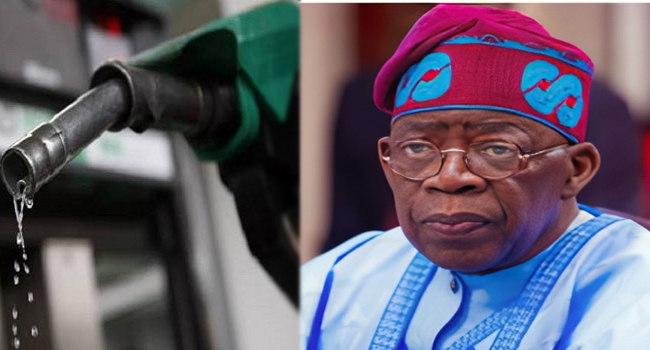
President Bola Tinubu has rejected calls to restore petroleum subsidies, arguing that Nigeria must continue with reforms including subsidy removal and foreign-exchange changes. He said the economy had improved after more than three years of adjustment, while critics blame the measures for worsening living costs.
President Bola Tinubu has rejected calls to restore petroleum subsidies, saying Nigeria must continue with the economic reforms introduced after he took office in May 2023. In his Independence Day address, Mr Tinubu said the reforms had confronted longstanding weaknesses and warned against returning to what he described as the abuse of subsidies. He argued that abandoning the measures would reverse progress made in stabilising the economy.
The removal of the petrol subsidy led to a sharp rise in the cost of the commodity. The government also changed the foreign-exchange system by collapsing multiple official windows into the Investors and Exporters window. Opposition figures and critics have blamed those decisions for higher transport, food and production costs and have called for subsidies to return.
Mr Tinubu defended the policies by citing what he described as improvements in key economic indicators. He said the economy had grown by more than 4 per cent in 2026, with oil and non-oil sectors contributing to stable growth. He also said oil theft had fallen, inflation had declined from its peak, foreign reserves had been rebuilt and the foreign-exchange market had stabilised.
The President said non-oil export revenue exceeded $6bn in 2025, the highest in the country’s history. He also claimed that international observers, civil-society organisations and multilateral institutions had recognised stronger economic stability and resilience, while foreign direct investment continued to rise. Mr Tinubu said resources previously used for subsidies were being redirected to education, healthcare, security, agriculture and infrastructure.
He said the reforms had created fiscal space for federal, state and local governments and that the government was investing in roads, power, broadband and social programmes. The President acknowledged that the measures had been difficult but said they were necessary to address longstanding distortions. He urged Nigerians to support the reforms and said the next phase would focus on shared prosperity and reducing the cost of living.
The supplied material records both the government’s defence and the criticism of the reforms, but does not provide an independent assessment of whether the claimed gains have reached households.
This independently written report is based on information supplied by the named publisher. Vertrix News has not independently verified the source report.