Trump defends Iran war as Republicans absorb sweeping midterm defeat
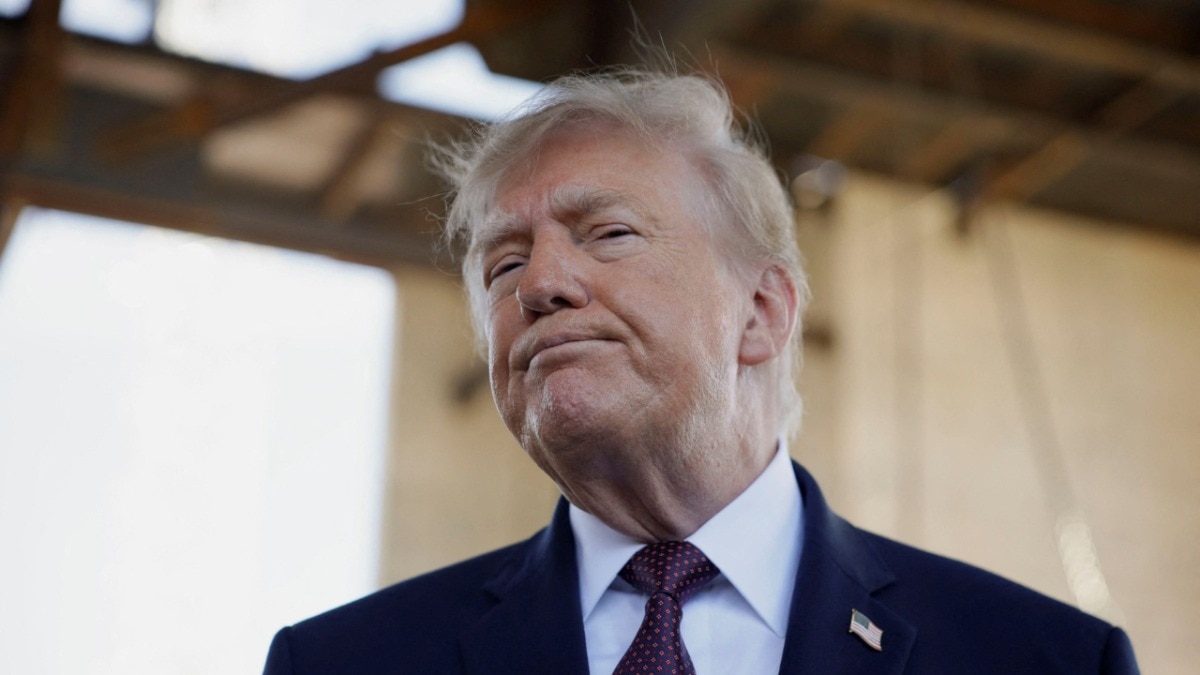
President Donald Trump has acknowledged that the war in Iran contributed to Republican losses in the US midterm elections, citing higher petrol prices, but said he would make the same decision again to prevent Tehran from acquiring a nuclear weapon. Democrats won control of both chambers of Congress, prompting Republican criticism of the president’s direction.
President Donald Trump has conceded that the war in Iran likely hurt Republicans in the midterm elections, while insisting that launching the military campaign was necessary and that he would do so again. Democrats won control of both the House of Representatives and the Senate in what France 24 described as a decisive rebuke to the president. Speaking to reporters, Trump said the assessment that the conflict contributed to the Republican defeat was “largely true” because it pushed up gasoline prices and increased financial pressure on American households.
He nevertheless said the war was necessary because, in his view, Iran could not be allowed to obtain a nuclear weapon. Trump also pointed to oil shipments through the Strait of Hormuz, saying that substantial volumes were now flowing after an earlier interruption. India Today reported that the conflict had disrupted energy supplies and heightened concerns over shipping through the strategically important waterway, with the resulting market pressure feeding through to fuel costs.
Vice-President JD Vance offered a sharper account of the political damage. In a lengthy statement on X, he said the war was the principal reason for the Republican defeat and argued that many voters who backed the Trump-Vance ticket in 2024 switched to Democratic candidates in the midterms. Vance cited internal polling that identified several sources of voter dissatisfaction: the war, rising living costs, concern that the administration had moved away from its “America First” priorities and opposition to Washington’s relationship with Israel.
He challenged those who believed the conflict was worth the political cost, writing that they should argue that losing the Senate for six years was worthwhile. Trump, however, rejected the idea that the result required a change of course. France 24 reported that he said he did not view the election as a personal blow.
He also backed Defense Secretary Pete Hegseth, whom he described as doing a very good job, despite Republican calls for a shake-up of White House personnel. Republican criticism extended beyond Iran. The BBC reported that party operatives and allies blamed Trump’s low approval ratings, tariffs, immigration policies and perceived focus on Washington construction projects.
Texas lobbyist Bill Miller called the result a complete rejection of Trump, while strategist Gregg Peppin said voters disliked the president’s policies. The scale of the losses reached well beyond the federal government. Democrats made gains in Texas, Kansas and South Carolina, took the Texas House and won statewide contests in traditionally Republican territory.
In Michigan, Democratic senator-elect Abdul El-Sayed said voters rejected attacks focused on his Muslim identity rather than policy issues. The new Democratic majority is expected to investigate the administration, oppose some judicial nominees and obstruct parts of Trump’s remaining agenda, according to the BBC.
Vertrix News compared the attributed reports listed below and wrote this independent synthesis. Claims remain attributed where independent verification was unavailable.
Sources
- Al Jazeera
- France 24
- India Today
- BBC News