Tung Chee-hwa’s legacy framed through Hong Kong’s post-1997 transition
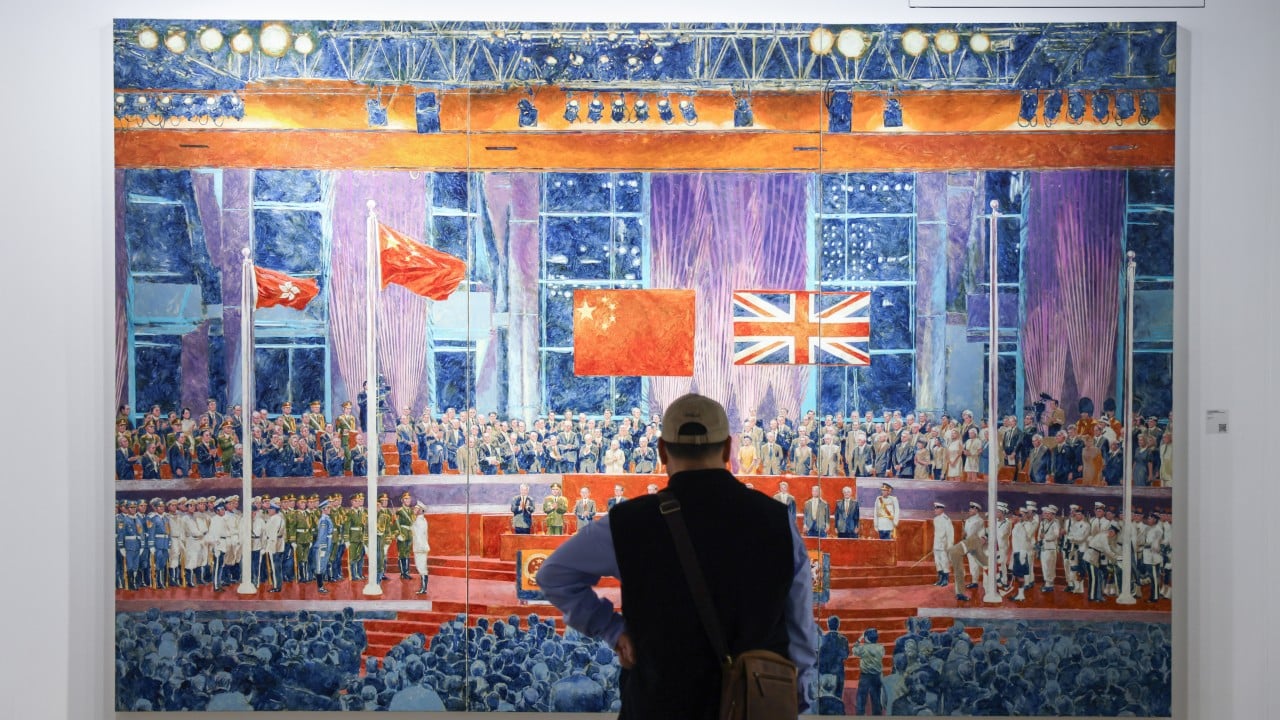
A reflection on the late Tung Chee-hwa, Hong Kong’s first chief executive, describes his administration as the starting point of the city’s post-1997 institutional transition. It argues that Hong Kong’s later development was shaped by governments, businesses and citizens rather than by one leader alone.
The legacy of Tung Chee-hwa, Hong Kong’s first chief executive, has prompted reflection on the city’s political and institutional transition after 1997. Tung died on September 8. His administration governed during a period when Hong Kong was adapting to a new constitutional arrangement under “one country, two systems” and the Basic Law.
The transition involved more than a change in political authority. Residents increasingly expected government decisions to be effective, publicly legitimate and accountable, creating tension between Hong Kong’s established administrative tradition and demands for broader participation. The period also required answers to questions about institutional integration, public power and Hong Kong’s relationship with national development.
The supplied analysis argues that later difficulties cannot be reduced to one leader or treated automatically as proof that the governing framework had failed. It identifies the 2003 Closer Economic Partnership Arrangement, cross-border infrastructure, the Greater Bay Area and newer priorities such as innovation, technology, housing and industrial development as stages in the city’s evolution. The reflection presents Hong Kong’s history as a process shaped by administrations, businesses, citizens and wider circumstances.
It says understanding Tung’s role requires understanding the uncertainty of the moment in which he governed, while recognising that the city continues to search for answers to changing economic and social pressures.
This independently written report is based on information supplied by the named publisher. Vertrix News has not independently verified the source report.