UK plans capped refugee routes prioritising Afghan women and Palestinians
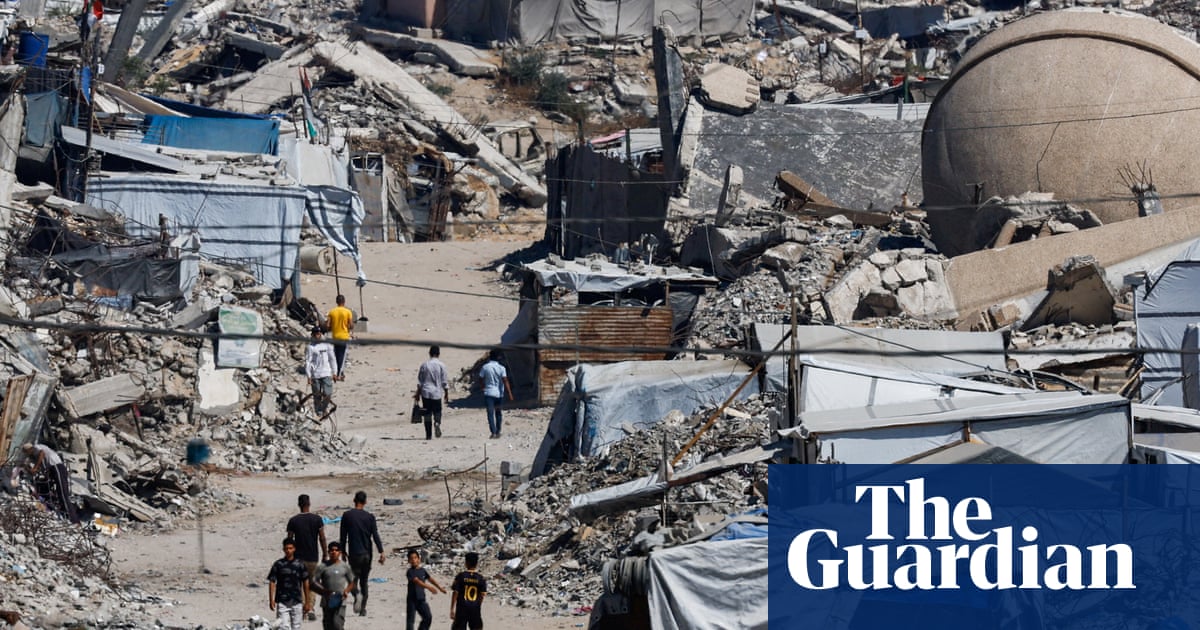
The UK is preparing to reopen a refugee resettlement route prioritising vulnerable Afghan women and girls and Palestinians, Home Secretary Shabana Mahmood is expected to announce. The scheme will begin with arrivals in the hundreds and may grow to the low thousands, while security checks and annual caps will apply.
The UK government is preparing to reopen a legal refugee resettlement route prioritising vulnerable Afghan women and girls and Palestinians, Home Secretary Shabana Mahmood is expected to announce. The scheme had stopped accepting new referrals in December 2024, although some previously referred cases continued to arrive. The government plans to reopen it immediately, with applicants subject to security and criminality checks.
People arriving through the route would receive indefinite leave to remain and a five-year path to permanent settlement. This would differ from the proposed treatment of refugees who arrive through irregular routes, whose status is expected to be reviewed every 30 months for up to 20 years. The Home Office expects Afghan women and girls and Palestinian refugees to make up about one-quarter of arrivals.
Numbers will initially be small and capped annually, beginning in the hundreds and potentially rising to the low thousands as irregular migration levels fall, according to government sources cited in the report. Refugees will be identified by the UN refugee agency and the International Refugee Assistance Project. Families may come together under the route, but extended-family reunification will not be allowed under restrictions previously introduced by the government.
Mahmood is also expected to confirm a community-sponsorship scheme under which charities and non-profit organisations can apply to host refugees. Applications are due to begin in October, with the first arrivals expected in autumn next year. A sponsored work route, allowing companies to host refugees, is expected to open for applications in spring 2027.
Sponsors will be expected to provide accommodation, integration support and help finding work. Refugee charities and immigration experts said the limited numbers would be unlikely to deter Channel crossings, while the plan could face criticism from the political right over security and welfare concerns.
This independently written report is based on information supplied by the named publisher. Vertrix News has not independently verified the source report.