Ukraine races to counter faster Russian drones targeting Kyiv
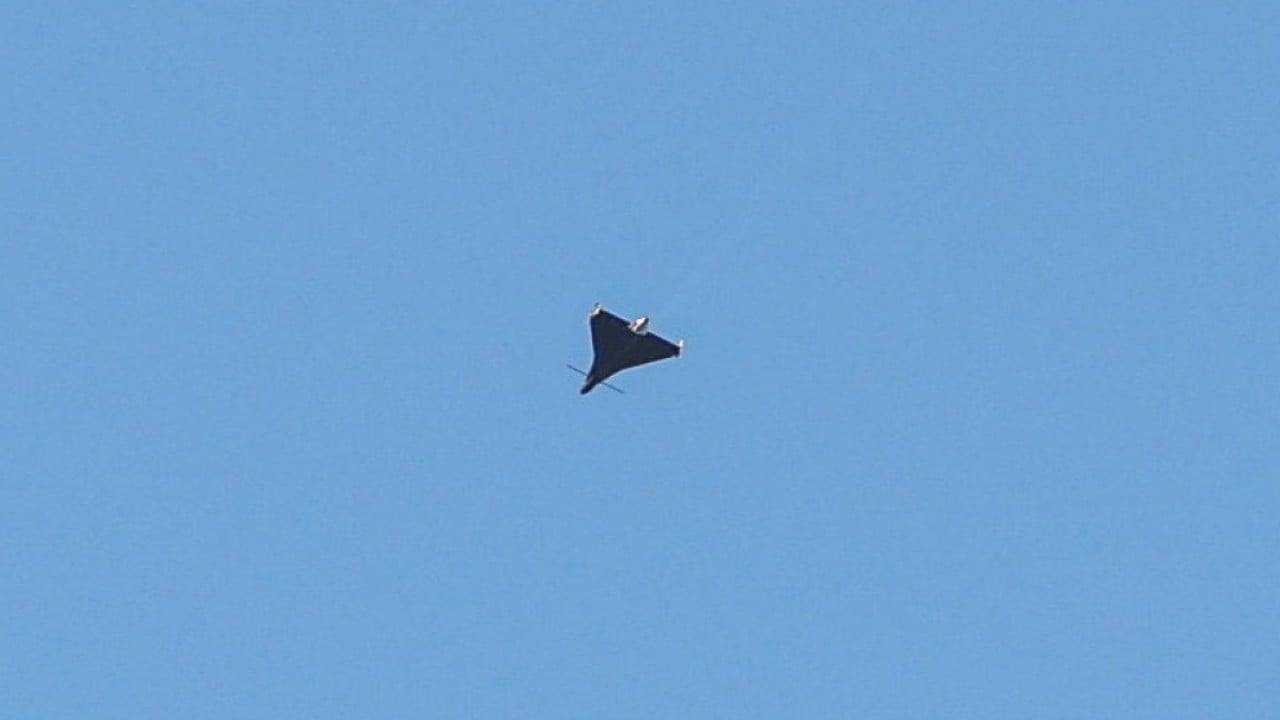
Ukraine is developing faster interceptors and using artificial intelligence to respond to Russian jet-powered drones that are breaching Kyiv’s air defences. The drones fly higher and faster than earlier models, while limited interceptor missiles and maintenance problems affecting F-16s are adding to the pressure on the capital.
Ukraine is scrambling to develop new air-defence systems after Russian jet-powered drones began breaching Kyiv’s defences and striking infrastructure, according to the supplied report. The drones, based on Iranian-designed Shahed models, travel faster and higher than propeller-driven versions, leaving defence crews only moments to respond. Recent targets have included energy systems, railways, telecommunications networks, petrol stations, shopping centres, post offices, industries and grain exports.
Air-defence commander Volodymyr Serdiuk said the drones were moving so quickly that his unit often could not obtain a reliable lock. Heavy machine guns cannot consistently reach them at their speed and altitude, while Ukraine is also running short of interceptor missiles needed against ballistic threats. Ukraine is testing new interceptors with faster propulsion and cooling systems to prevent batteries from overheating.
Defence companies are also working on artificial-intelligence guidance and industrial production. Ukrainian officials say at least one company has successfully tested an interceptor against the new drones. Manufacturers estimate that producing the systems in useful numbers could take three to four months, while military analyst Taras Chmut expects six months or longer.
President Volodymyr Zelensky has called for quicker production. Miniature turbojet engines are among the main bottlenecks, with much of the supply coming from European manufacturers whose capacity is below Ukraine’s potential needs. Ukraine’s existing electronic-warfare and AI systems try to direct incoming drones into narrower corridors where interceptors can engage them.
However, the latest variants are testing that approach. The fastest Ukrainian interceptors generally reach 300 to 400km/h, which is not enough to meet the new threat. F-16 fighter jets can intercept the drones, but many are awaiting maintenance, according to the report.
Kyiv residents are increasingly exposed to attacks, with explosions reaching areas closer to the city centre and casualties reported in the Fastiv district. For now, Ukrainian engineers and air-defence crews are racing to close the gap between the speed of the new Russian drones and the systems available to stop them.
This independently written report is based on information supplied by the named publisher. Vertrix News has not independently verified the source report.